
Loading, please wait...
_900x900.jpg "Roman Carnelian Gemstone Intaglio with Standing Minerva")
_200x200.jpg "Roman Carnelian Gemstone Intaglio with Standing Minerva")
.jpg "Roman Carnelian Gemstone Intaglio with Standing Minerva")
LOT 0626
Roman Carnelian Gemstone Intaglio with Standing Minerva
2ND CENTURY A.D.
1/2 in. (0.57 grams, 13 mm).
Oval-shaped and polished, bearing an incuse figure of the goddess Minerva standing right, wearing a helmet and holding a spear.
ProvenanceEx private collection, 1980s.
Acquired on the UK art market in the 1990s.
TimeLine Auctions follows a vetting process to ensure the authenticity and legality of all items, reinforcing our commitment to integrity and responsible trading. Each antiquity, antique, and coin lot undergoes thorough examination by a vetting committee of at least ten external specialists, professional trade association members, scientists, and archaeologists: Our Vetting Process
AUCTIONS:
TimeLine is a leading auction house specialising in antiquities, ancient art, collectables, natural history, coins, medals, and books. Our auctions offer museums, collectors, historians, and enthusiasts the opportunity to acquire unique and historically significant pieces.
LOT 0626
Roman Carnelian Gemstone Intaglio with Standing Minerva
Sold for (Inc. bp): £260
-
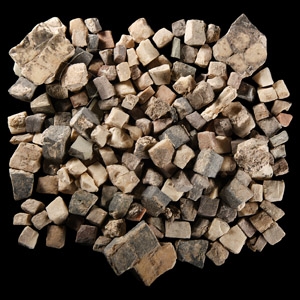
Roman Stone Mosaic Fragments and Tesserae
1st-4th century A.D.Sold for (Inc. bp): £286
Including examples of various sizes and colours and sections still set in Roman cement. 139 grams total, 7-27 mm
Acquired 1980-2015. Ex Abelita family collection. -
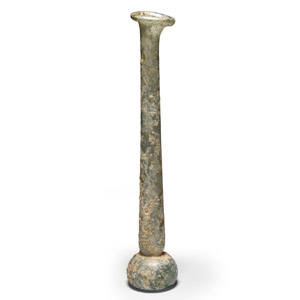
Roman Pale Green Glass Unguentarium
1st-2nd century A.D.Sold for (Inc. bp): £111
Piriform in shape with a cylindrical neck and everted rim; remains of iridescence. 46 grams, 12 cm high
Acquired 1969-1999. From the private collection of the late Mr S.M., London, UK, thence by descent. -
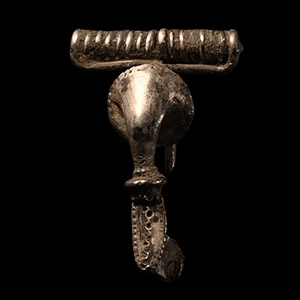
Roman Silver Trumpet Brooch
Circa 1st-2nd century A.D.Sold for (Inc. bp): £59
Featuring geometric ornament to the footplate; spring, remains of pin and catchplate to reverse. 5.53 grams, 31 mm
Ex private collection formed in the 1990s. Ex property of a European gentleman living in the UK.
