
Loading, please wait...
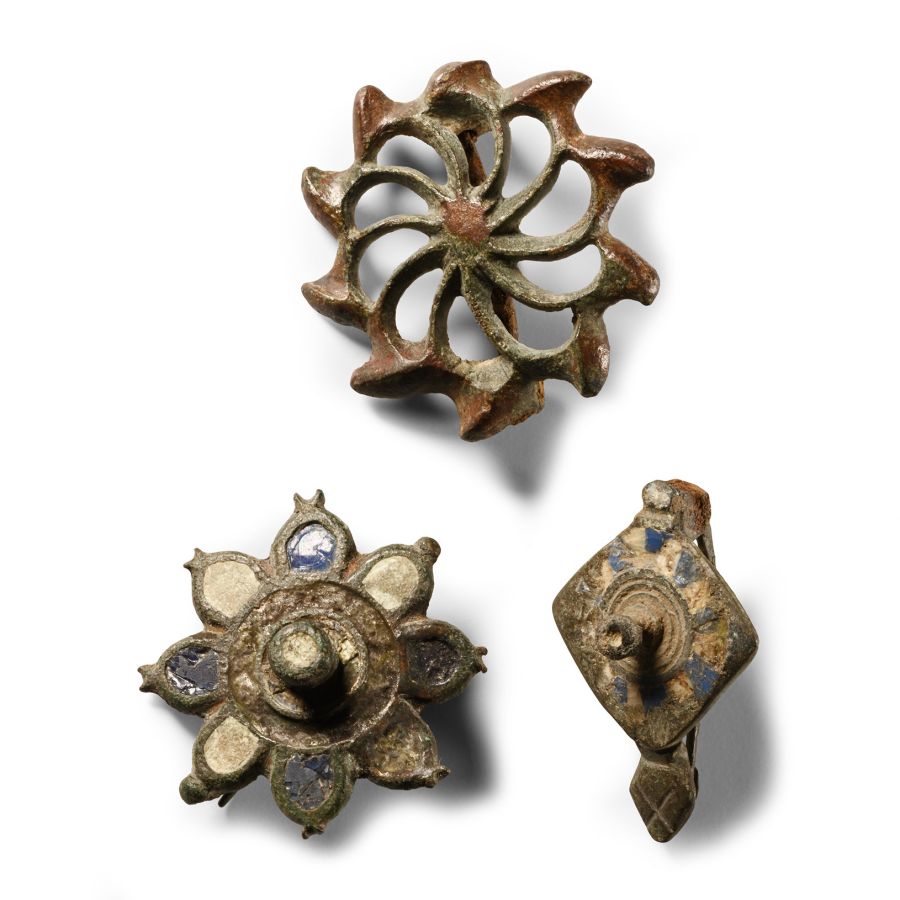
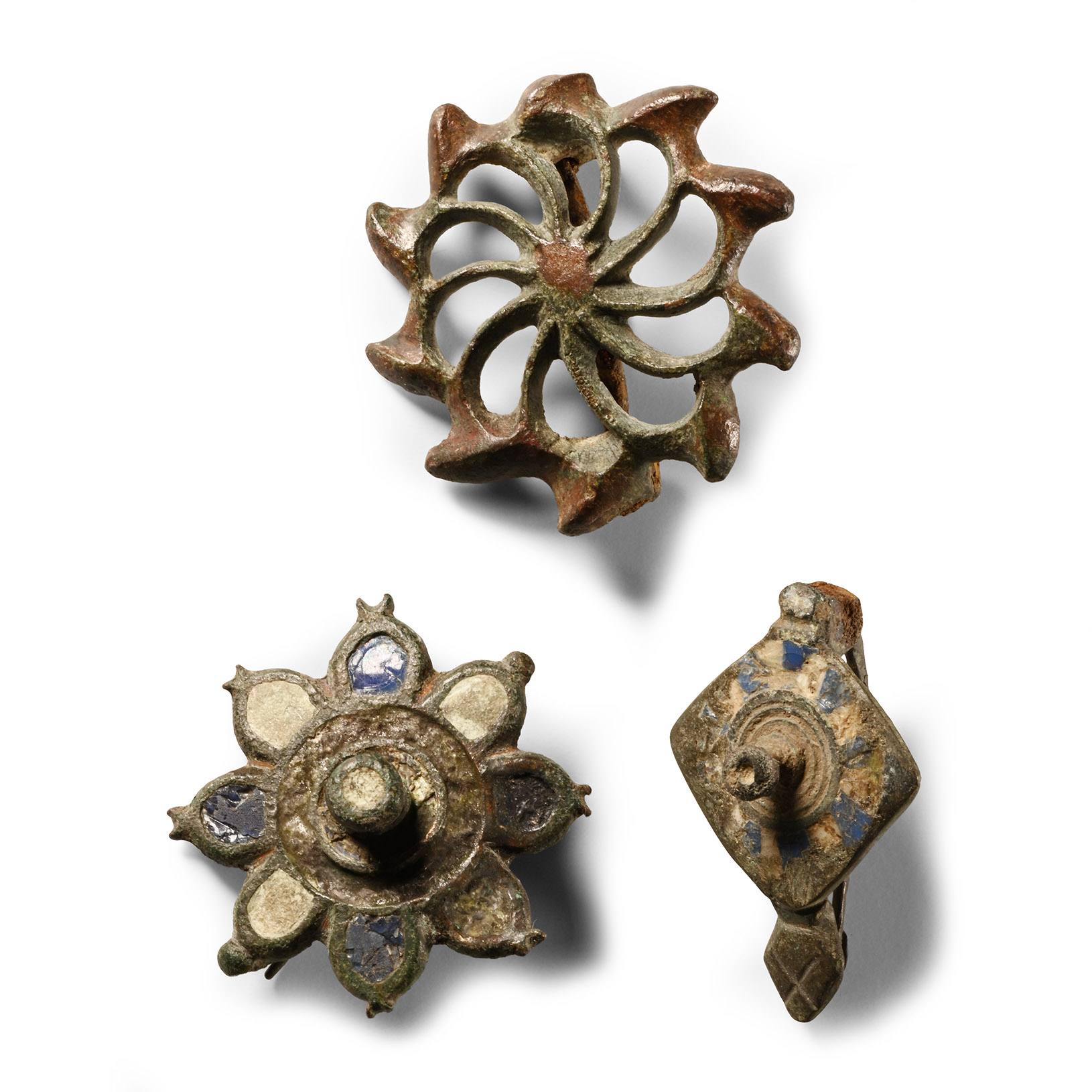
LOT 0881
Roman Brooch Collection
2ND-3RD CENTURY A.D.
1 1/2 in. (29.6 grams total, 35-37 mm).
Comprising an openwork plate brooch of solar-wheel type; rosette plate brooch with central stud, enamelled cells; lozenge plate brooch with enamelled cells. [3, No Reserve]
ProvenanceUK art market, acquired prior to 1980.
Property of a Scottish collector, acquired in 2013.
TimeLine Auctions follows a vetting process to ensure the authenticity and legality of all items, reinforcing our commitment to integrity and responsible trading. Each antiquity, antique, and coin lot undergoes thorough examination by a vetting committee of at least ten external specialists, professional trade association members, scientists, and archaeologists: Our Vetting Process
AUCTIONS:
TimeLine is a leading auction house specialising in antiquities, ancient art, collectables, natural history, coins, medals, and books. Our auctions offer museums, collectors, historians, and enthusiasts the opportunity to acquire unique and historically significant pieces.
-
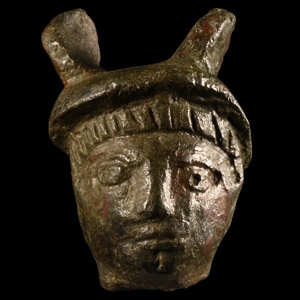
Roman Bronze Mercury Statuette Head
1st-2nd century A.D.Sold for (Inc. bp): £234
With winged petasos traveller's headgear and low-relief facial detailing. 13.3 grams, 20 mm
Property of a Gloucestershire, UK, collector. Property of an East Sussex, UK, gentleman. -
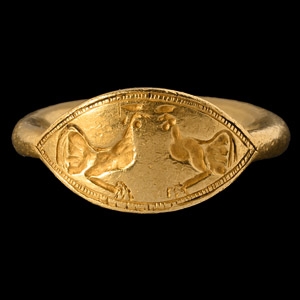
Late Roman Gold Ring with Facing Birds
Circa 5th-7th century A.D.Sold for (Inc. bp): £2,470
With a heavy round-section hoop thickened at the base, lentoid bezel with ropework border and two opposing cockerels. 14.42 grams, 24.86 mm overall, 17.53 mm internal diameter (approximate size British P 1/2, USA 7 3/4, Europe 16.86, Japan 16)
Believed to have been acquired at Christie's. Property of a North American gallery. This lot has been checked against the Interpol Database of stolen works of art and is accompanied by search certificate no.12109-214332. -
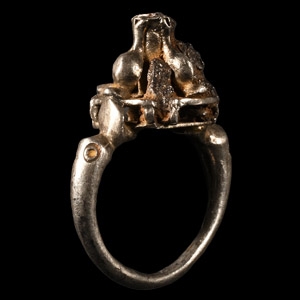
Roman Silver Key Ring with Dolphins
3rd-4th century A.D.Estimate: £600 - 800 (+bp*)
Opening Bid: £300
The hoop formed with dolphin-head shoulders supporting an openwork tiered bezel with four outward-facing dolphins on a disc, their tails joining to form a tube with inset garnet cloison; possibly originally a key-ring with the tune forming a mandrel. 7.13 grams, 31.06 mm overall, 19.89 mm internal diameter (approximate size British N, USA 6 1/2, Europe 13.72, Japan 13)
Ex Cotswold collection, UK, 1990s. Accompanied by a copy of a statement of opinion from Striptwist Ltd, a London-based company run by precious metal specialist Dr Jack Ogden, reference number 221202.
