
Loading, please wait...
LOT 0811
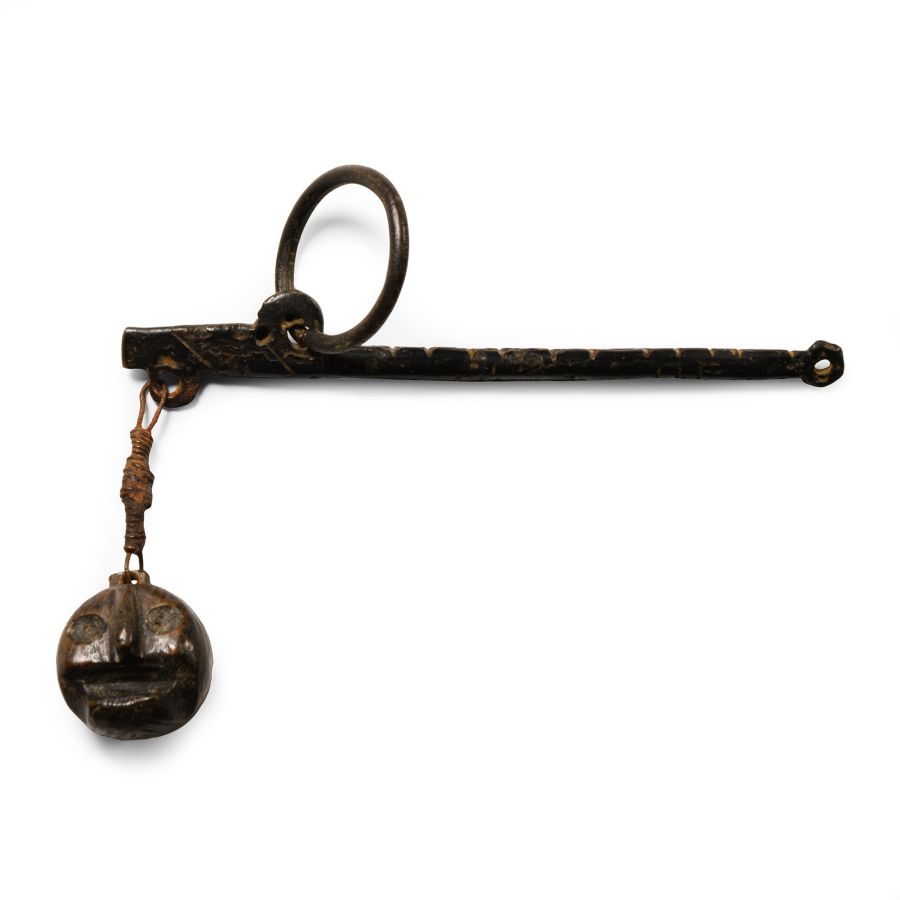
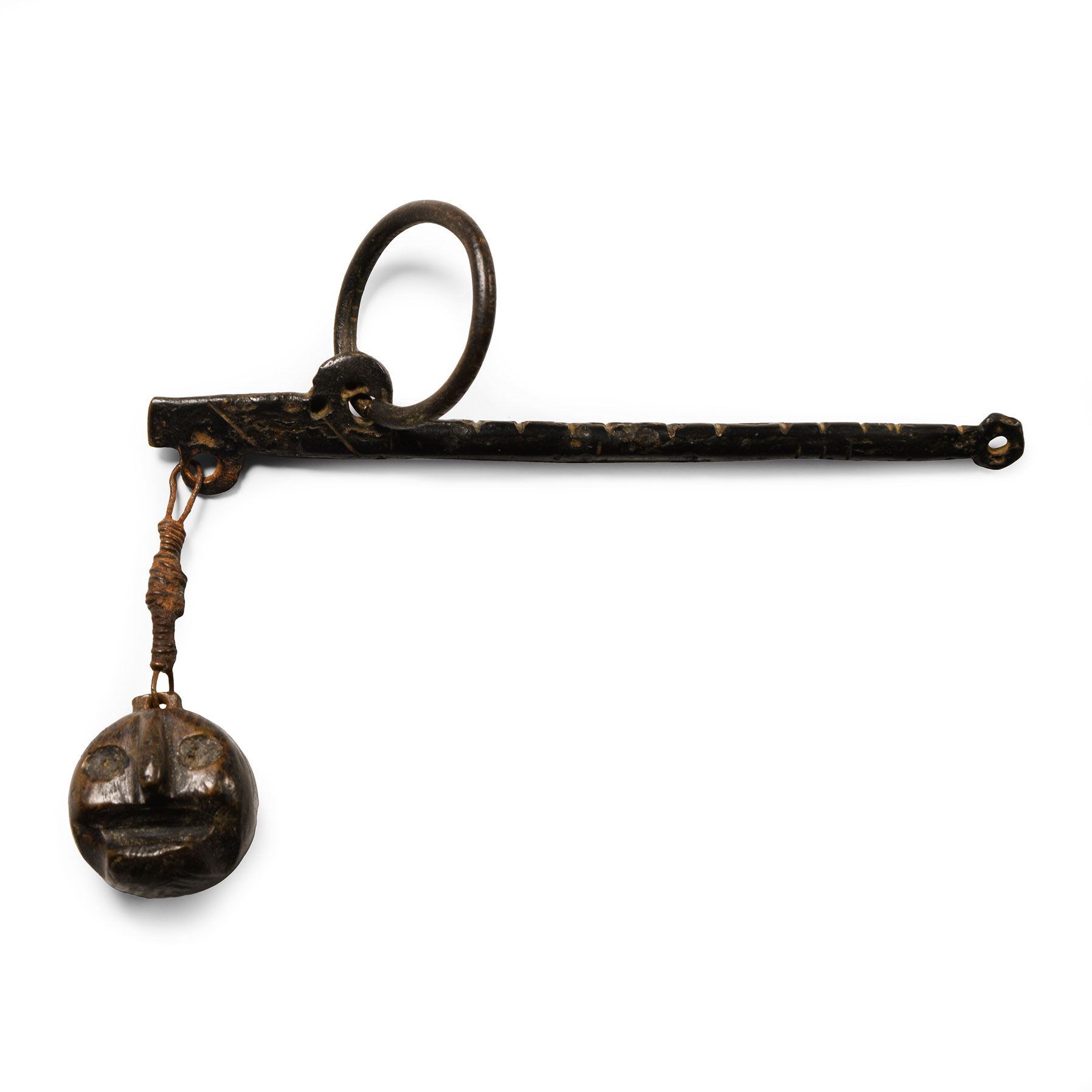
Roman Bronze Steelyard Balance with Severed Celtic Head Weight
1ST CENTURY B.C.-1ST CENTURY A.D.
4 5/8 in. (86 grams, 11.8 cm).
Comprising a round-section arm with pierced lug finial, notches to the upper face, suspension ring, counter weight formed as stylised head with gaping mouth and bowl-cut hair. [No Reserve]
ProvenanceFrom a collection acquired on the UK art market from various auction houses and collections mostly before 2000.
From an important Cambridgeshire estate; thence by descent.
See The Metropolitan Museum, accession number 2008.355a-d, for type.
CONDITIONTimeLine Auctions follows a vetting process to ensure the authenticity and legality of all items, reinforcing our commitment to integrity and responsible trading. Each antiquity, antique, and coin lot undergoes thorough examination by a vetting committee of at least ten external specialists, professional trade association members, scientists, and archaeologists: Our Vetting Process
AUCTIONS:
TimeLine is a leading auction house specialising in antiquities, ancient art, collectables, natural history, coins, medals, and books. Our auctions offer museums, collectors, historians, and enthusiasts the opportunity to acquire unique and historically significant pieces.
LOT 0811
Roman Bronze Steelyard Balance with Severed Celtic Head Weight
Sold for (Inc. bp): £247
-
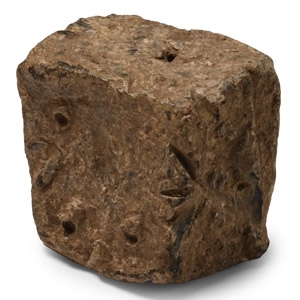
Roman 'Wiltshire' Lead Dice Gaming Piece
1st-4th century A.D.Sold for (Inc. bp): £46
Cuboid with impressed point markings disposed 1:5, 2:3, 4:6; with old collector's record card. 44.8 grams, 22 mm
Found Wiltshire, UK. From the important private collection of dice and gaming pieces of Colin Narbeth, London, UK, collection no.65. Accompanied by a Colin Narbeth catalogue identification card. -
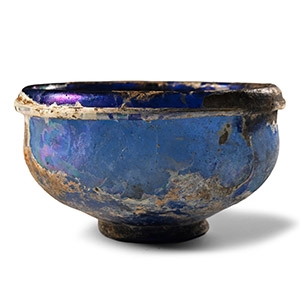
Roman Glass Bowl with Iridescence
1st-2nd century A.D.Estimate: £800 - 1,000 (+bp*)
Opening Bid: £444
Shallow in profile with basal ring, iridescent surface, applied collar below the rim; old collector's label '4231 TO' to base. 45.5 grams, 84 mm wide
From the private collection of a French Count in the 19th century. Ex Thierry de Maigret, April 2010. Ex Sheikh Al Thani collection. -
.jpg)
Roman Gemstone Collection
2nd-3rd century A.D.Sold for (Inc. bp): £1,235
Mainly ellipsoid carnelian plaques with incuse designs including standing figure, bird in flight and other types. 4.21 grams total, 8-15 mm
From an old UK collection, 1980s.
