
Loading, please wait...
LOT 0788
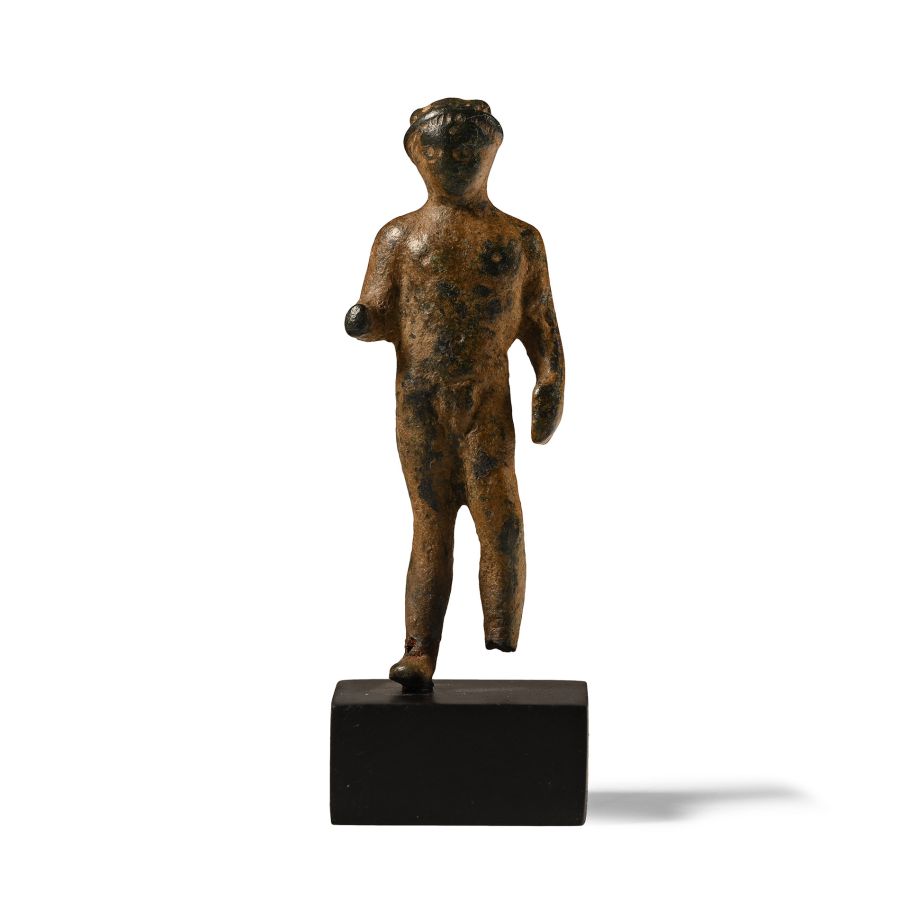
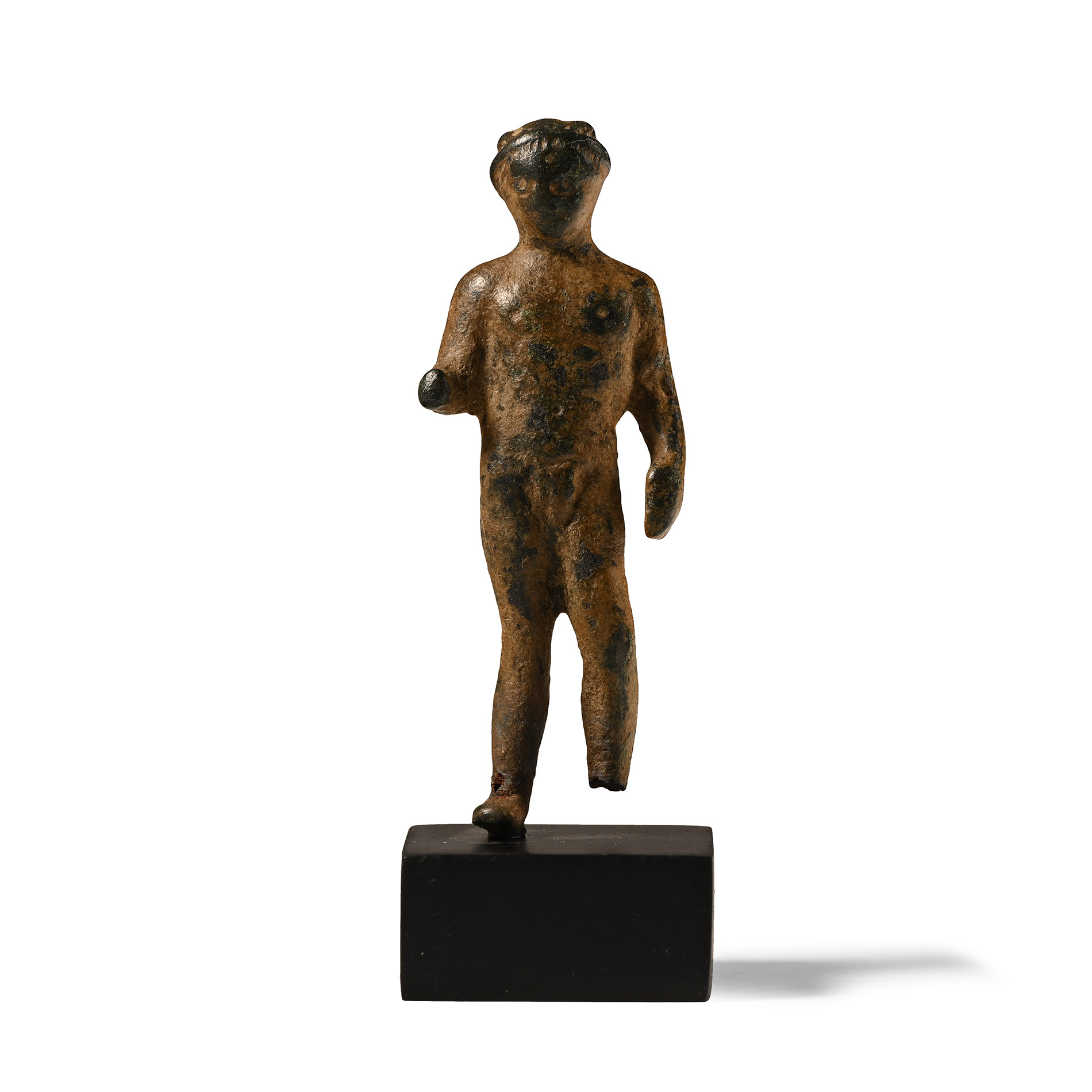
Roman Bronze Statuette of Mercury
2ND-3RD CENTURY A.D.
3 3/8 in. (66 grams total, 85 mm including stand).
Standing nude with winged petasos to the head, in contrapposto pose; mounted on a custom-made display stand. [No Reserve]
ProvenanceFrom a collection acquired on the UK art market from various auction houses and collections mostly before 2000.
From an important Cambridgeshire estate; thence by descent.
Cf. Boucher, S. & Tassinari, S., Musée de la Civilisation Gallo-Romaine a Lyon: Bronzes Antiques I. Inscriptions, Statuaire, Vaisselle, Lyon, 1976, item 49, for type.
FootnotesMercury was the god of trade and industry, whose principle shrine in the city of Rome was at the Circus Maximus. Equated with the Greek Hermes he became the god of tradesmen and merchants. He was also the god of thieves and was associated with healing, mainly in Gaul, where he had a number of important temples connected to sacred springs, This statuette was probably a votive offering to one of this temples.
CONDITIONTimeLine Auctions follows a vetting process to ensure the authenticity and legality of all items, reinforcing our commitment to integrity and responsible trading. Each antiquity, antique, and coin lot undergoes thorough examination by a vetting committee of at least ten external specialists, professional trade association members, scientists, and archaeologists: Our Vetting Process
AUCTIONS:
TimeLine is a leading auction house specialising in antiquities, ancient art, collectables, natural history, coins, medals, and books. Our auctions offer museums, collectors, historians, and enthusiasts the opportunity to acquire unique and historically significant pieces.
-
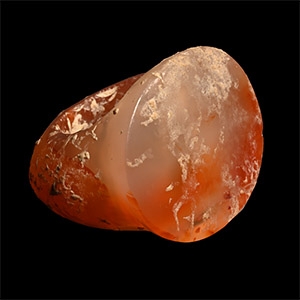
Roman Carnelian Ring
2nd-3rd century A.D.Sold for (Inc. bp): £572
With thick D-section hoop and stud to the underside, flared sides to the slightly domed plaque. 9.53 grams, 26.44 mm overall, 15.01 mm internal diameter (approximate size British I, USA 4 1/4, Europe 7.44, Japan 7)
Acquired in the mid 1980s-1990s. From the family collection of Mr S.A., Switzerland, thence by descent. Private collection since the late 1990s. -
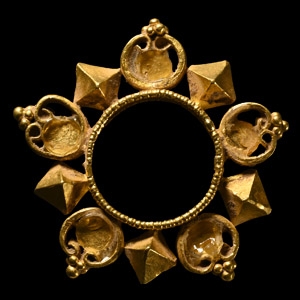
Late Roman Highly Ornate Solid Gold Frame
3rd-7th century A.D.Sold for (Inc. bp): £780
With applied heart-shaped openwork panels and octahedrons on the outer face of a decorative ring band. 12.4 grams, 32.4 mm
From a late Japanese specialist collector, 1970-2000s. -
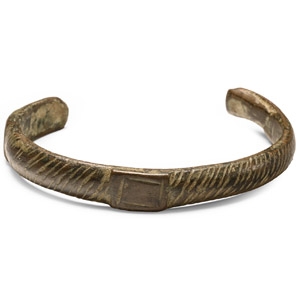
Roman Bronze Bracelet
1st-4th century A.D.Sold for (Inc. bp): £72
Penannular D-section in form with three raised rectangular panels, incised hatching. 16.70 grams, 52 mm
Ex German art market, 2000s. Acquired from an EU collector living in London. From the collection of Surrey, UK, gentleman.
