
Loading, please wait...
LOT 0646
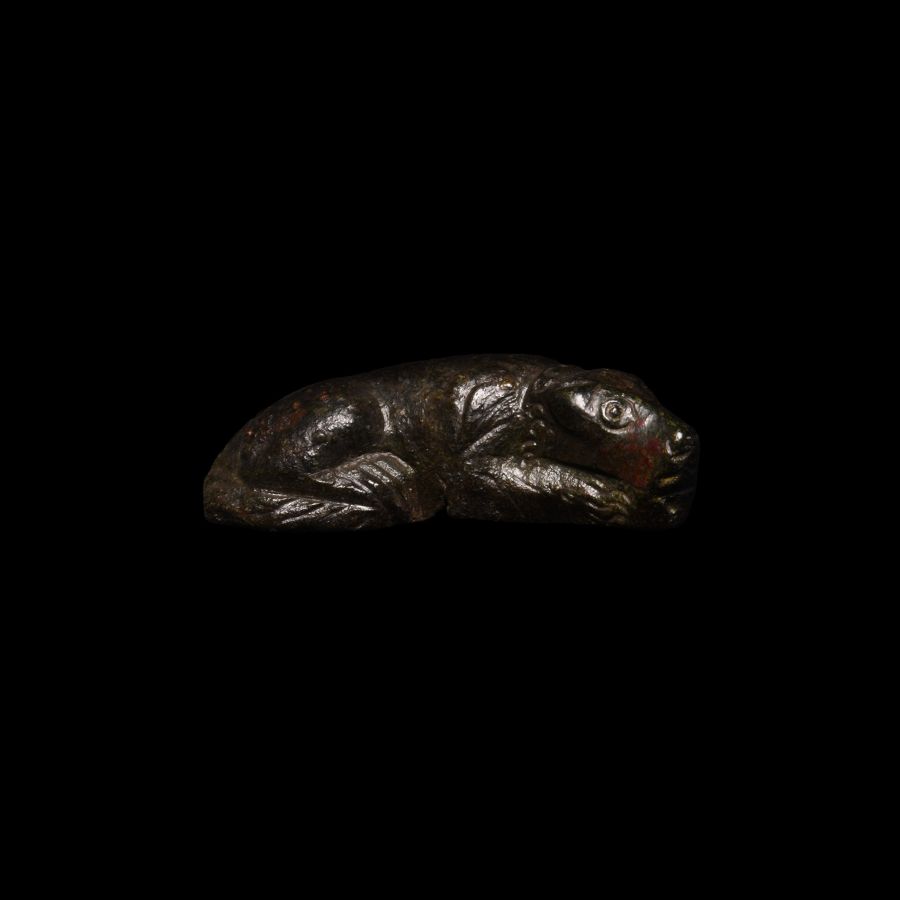
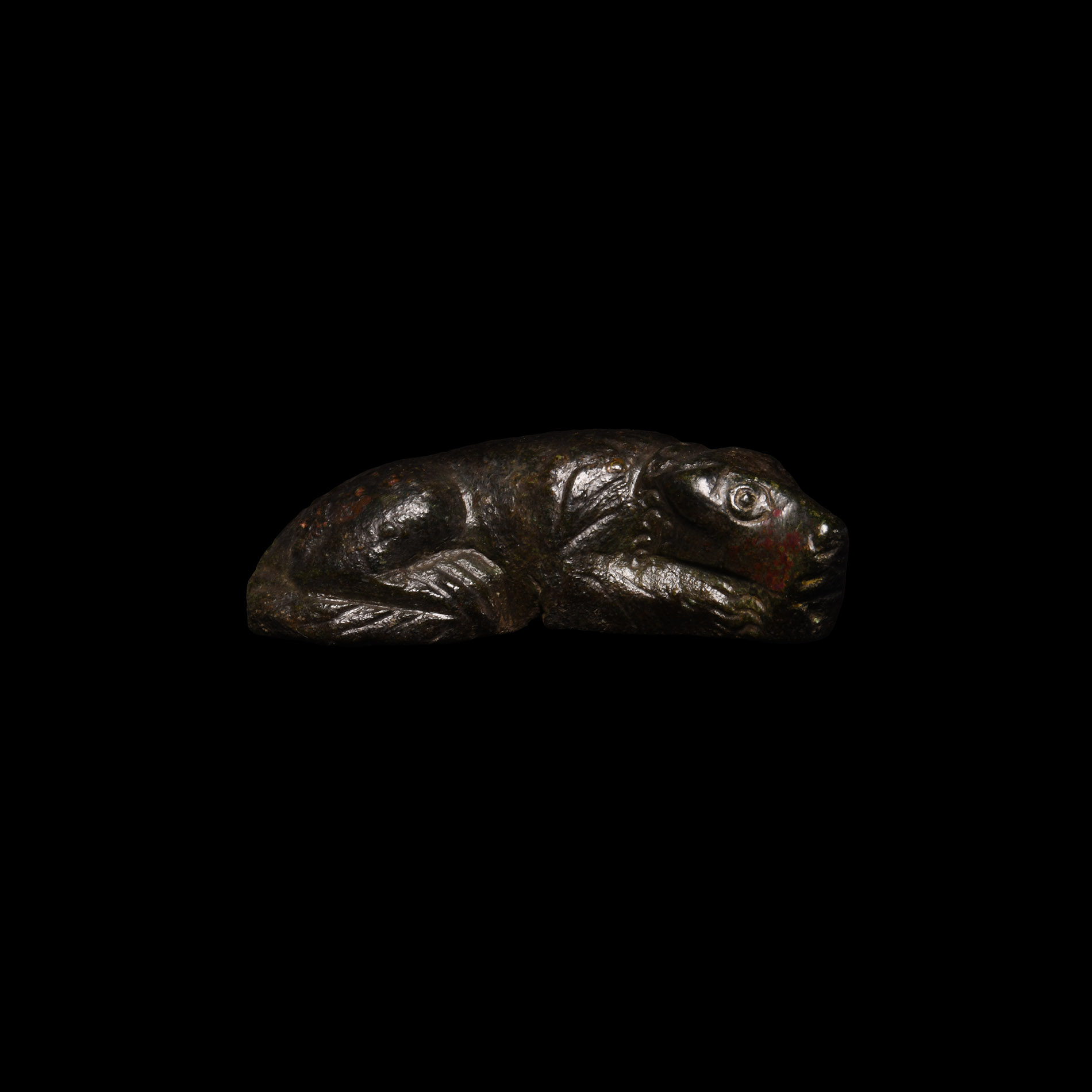
Roman Bronze Sleeping Dog Statuette
3RD-4TH CENTURY A.D.
1 3/4 in. (18.5 grams, 46 mm).
Modelled in the round at rest with its head on its front paws and wearing a collar, stylised coat and facial detailing; hollow-formed. [No Reserve]
ProvenanceFound Lincolnshire, 1981.
CONDITIONTimeLine Auctions follows a vetting process to ensure the authenticity and legality of all items, reinforcing our commitment to integrity and responsible trading. Each antiquity, antique, and coin lot undergoes thorough examination by a vetting committee of at least ten external specialists, professional trade association members, scientists, and archaeologists: Our Vetting Process
AUCTIONS:
TimeLine is a leading auction house specialising in antiquities, ancient art, collectables, natural history, coins, medals, and books. Our auctions offer museums, collectors, historians, and enthusiasts the opportunity to acquire unique and historically significant pieces.
-
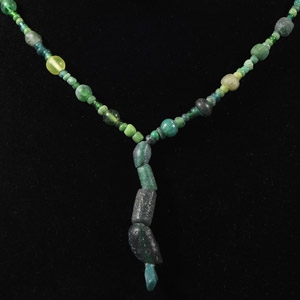
Roman Glass Bead Necklace
2nd-5th century A.D. or laterSold for (Inc. bp): £39
Composed mainly of graduated glass beads of various shades of green, including annular, oblate, spherical, tubular and other types; restrung. 13.3 grams, 70 cm long
Ex W.J. collection, 1990s. -
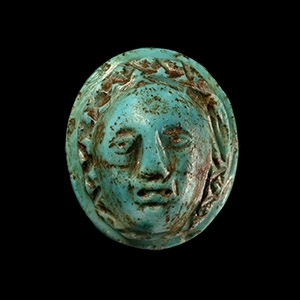
Roman Turquoise Cameo with Head of Medusa
1st-2nd century A.D.Sold for (Inc. bp): £845
Carved in relief in oval form, with stylised features. 0.89 grams, 11 mm
Ex private collection, 1980s. Acquired on the UK art market in the 1990s.
Turquoise is a very rare material for Roman cameos. -
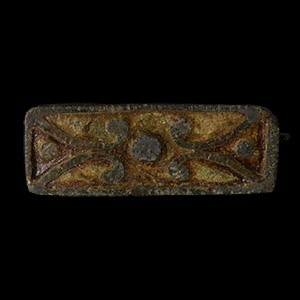
Roman Bronze Enamelled Plate Brooch
2nd-3rd century A.D.Sold for (Inc. bp): £65
Complete with sprung pin and catchplate to reverse; the rectangular plate with reserved scroll decoration on enamelled fields. 2.98 grams, 29 mm
Part of a collection formed in the 1970s-1980s. Ex private UK collection.
