
Loading, please wait...
LOT 0143
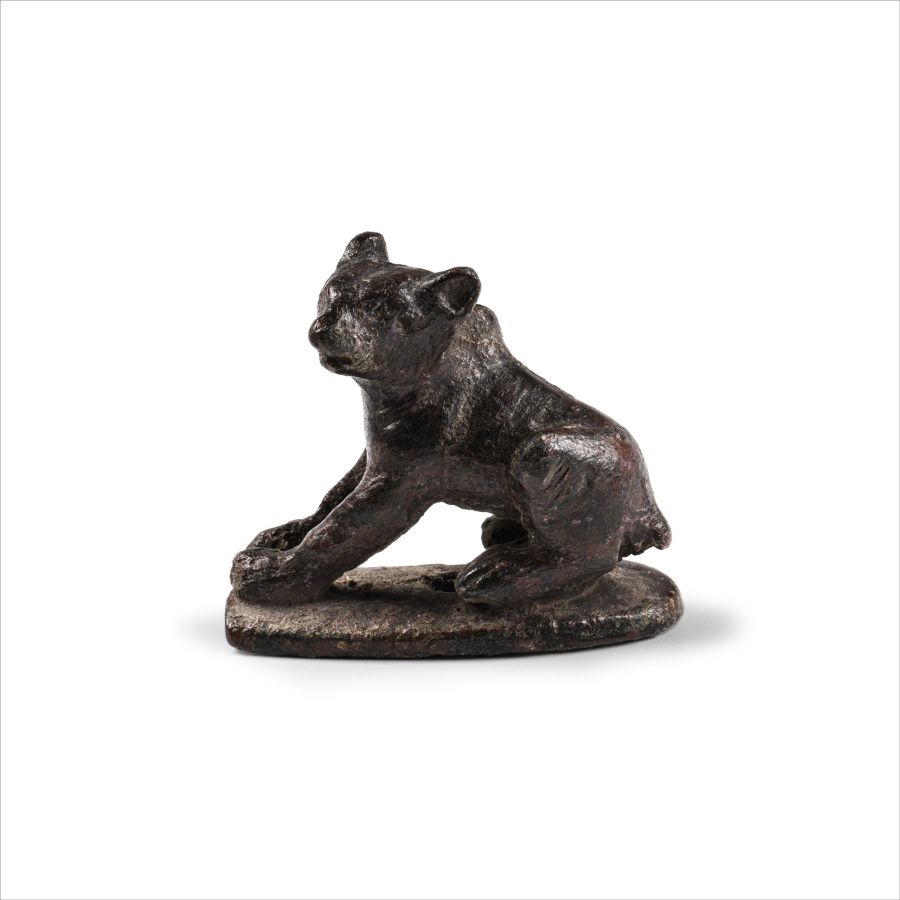
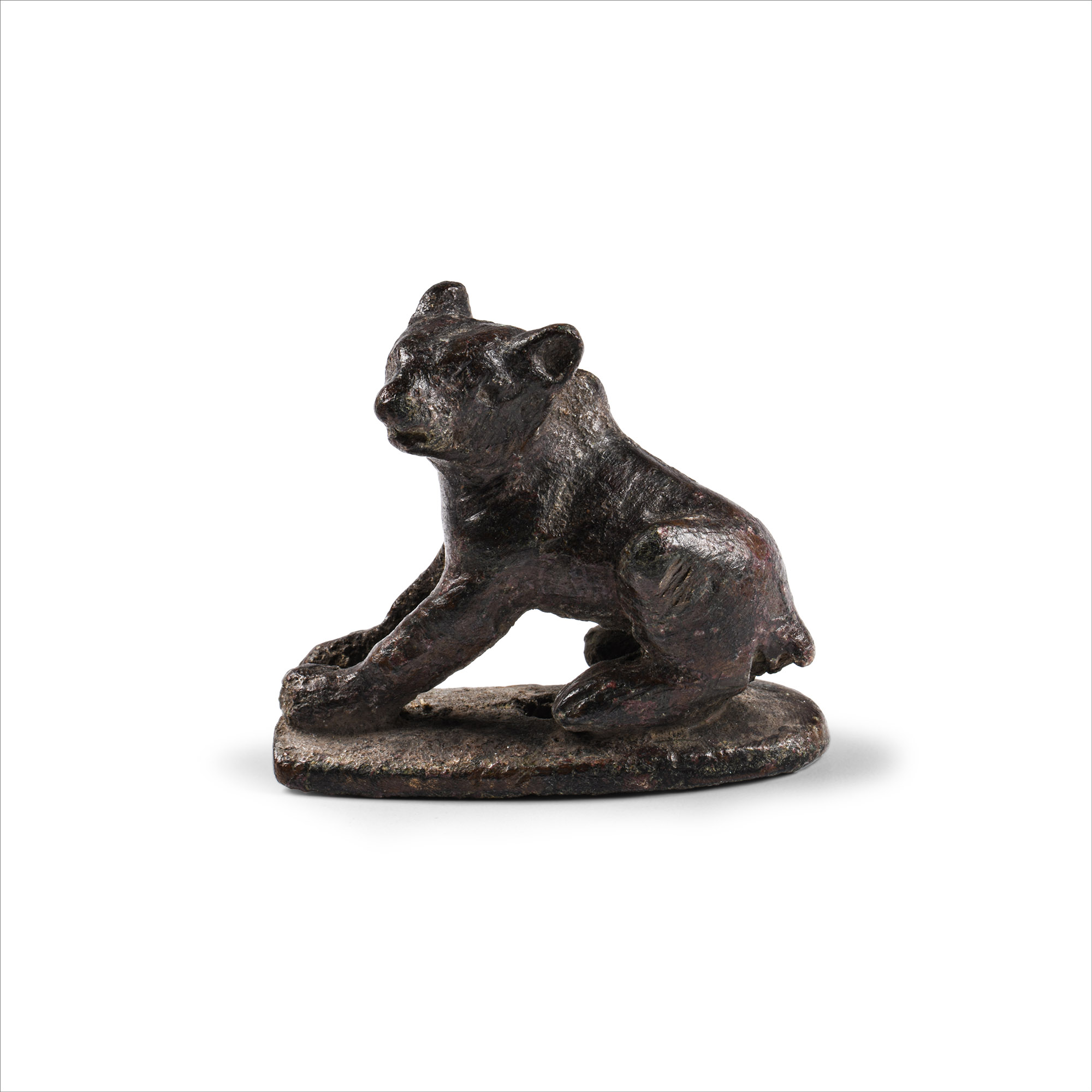
Roman Bronze Sitting Bear
1ST-4TH CENTURY A.D.
1 7/8 in. (65 grams, 47 mm).
Formed in the round on a curved base, semi-naturalistic anatomical and facial detailing; circular socket to base of neck and base.
Provenance‘The Ancient Menagerie Collection’ formerly the property of a Cambridgeshire lady, collected since the 1990s and acquired from auctions and dealers throughout Europe and the USA, now ex London collection.
CONDITIONTimeLine Auctions follows a vetting process to ensure the authenticity and legality of all items, reinforcing our commitment to integrity and responsible trading. Each antiquity, antique, and coin lot undergoes thorough examination by a vetting committee of at least ten external specialists, professional trade association members, scientists, and archaeologists: Our Vetting Process
AUCTIONS:
TimeLine is a leading auction house specialising in antiquities, ancient art, collectables, natural history, coins, medals, and books. Our auctions offer museums, collectors, historians, and enthusiasts the opportunity to acquire unique and historically significant pieces.
LOT 0143
Roman Bronze Sitting Bear
Estimate £600 - 800€700 - 930 (for guidance only)$810 - 1,080 (for guidance only)
-
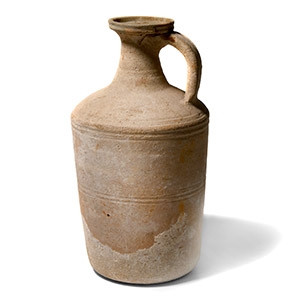
Roman Terracotta Vessel
1st-4th century A.D.Sold for (Inc. bp): £143
Of cylindrical form with gusseted rim and handle. 714 grams, 23 cm high
Acquired 1960s-1990s. Late Alison Barker collection, a retired London barrister. -
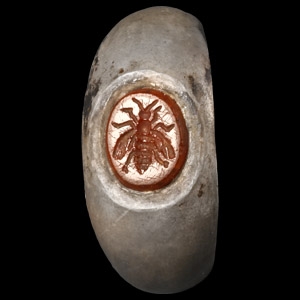
Roman Silver Ring with Bee Gemstone
2nd-3rd century A.D.Sold for (Inc. bp): £442
Broad hoop with inset carnelian intaglio of a bee. 12.47 grams, 26.81 mm overall, 21.33 mm internal diameter (approximate size British R, USA 8 1/2, Europe 18 3/4, Japan 18)
Acquired on the London art market, 1980s-1990s. -

Roman Samian Ware Wine Cup
1st century B.C.-1st century A.D.Sold for (Inc. bp): £416
Or a scyphus drinking cup, composed of a conical body, moulded foot, volute plates with gusseted handles below, bearded mature male mask plaques to the handle bases; floral, geometric and architectural decorative motifs to the body; possible maker's finger prints in the clay; some restoration. 111 grams, 12.5 cm wide
English collection, 1990s. Ex property of a Suffolk, UK, gentleman.
Prolific workshops making such terracotta operated at Arretium (modern Arezzo, Italy) during the Julio-Claudian period. They displayed lavish relief depictions of mythological scenes or floral and foliate ornamentation.
