
Loading, please wait...
LOT 0834
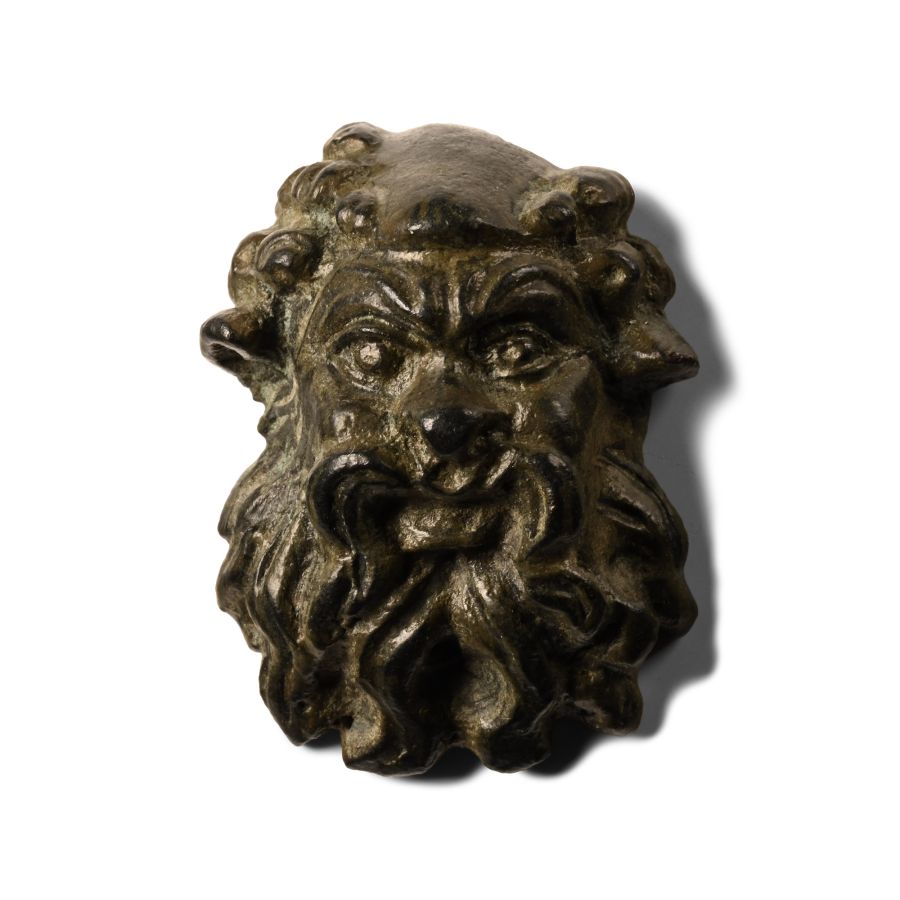
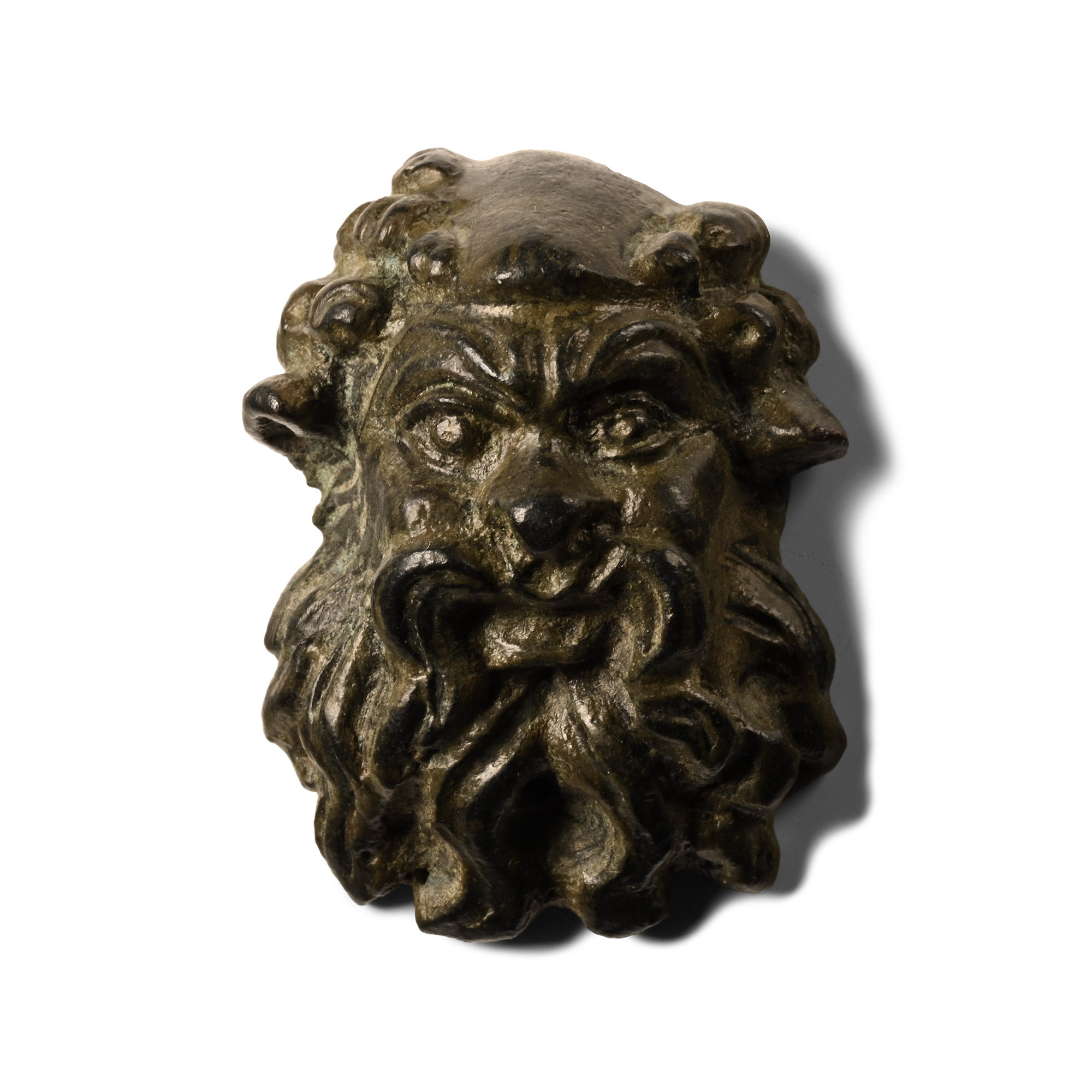
Roman Bronze Silenus Mount
1ST-3RD CENTURY A.D.
1 3/8 in. (31.5 grams, 36 mm).
Mask of Silenus modelled in the half-round with curly hair and luxuriant beard; hollow to the reverse.
ProvenanceEx German art market, 2000s.
Acquired from an EU collector living in London.
From the collection of Surrey, UK, gentleman.
TimeLine Auctions follows a vetting process to ensure the authenticity and legality of all items, reinforcing our commitment to integrity and responsible trading. Each antiquity, antique, and coin lot undergoes thorough examination by a vetting committee of at least ten external specialists, professional trade association members, scientists, and archaeologists: Our Vetting Process
AUCTIONS:
TimeLine is a leading auction house specialising in antiquities, ancient art, collectables, natural history, coins, medals, and books. Our auctions offer museums, collectors, historians, and enthusiasts the opportunity to acquire unique and historically significant pieces.
LOT 0834
Roman Bronze Silenus Mount
Estimate £350 - 450€410 - 520 (for guidance only)$470 - 610 (for guidance only)
-
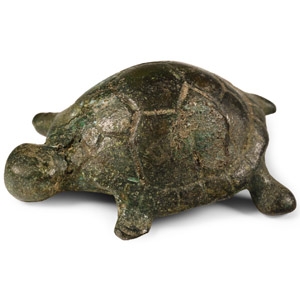
Roman Bronze Tortoise Statuette
1st century B.C.-2nd century A.D.Sold for (Inc. bp): £286
Modelled in the round with domed shell with incised plate detailing. 27.9 grams, 36 mm
Ex German art market, 2000s. Acquired from an EU collector living in London. From the collection of Surrey, UK, gentleman. -
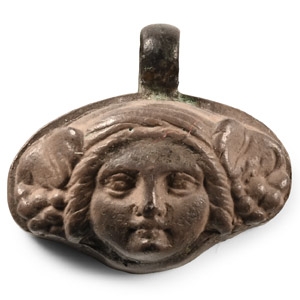
Roman Silver Dionysus Pendant
1st-3rd century A.D.Sold for (Inc. bp): £364
Ellipsoid pendant, hollow to the reverse with high-relief mask of Dionysus flanked by vine leaves and bunches of grapes. 6.2 grams, 23 mm
From the glyptic collection of Mr X; thence by descent. Acquired Hotel des Ventes, Drouot, Eve SVV, Paris, France, 28 June 2017, no.147 (Part). Property of a French collector. -
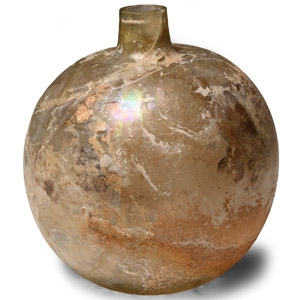
Large Roman Glass Vessel
1st-4th century A.D.Sold for (Inc. bp): £364
Spherical in form with shallow dimple base, short cut neck, circumferential incised bands to the shoulder and equator. 126 grams, 14 cm
From the collection of a late East Anglian teacher and antiquarian who retired to the Isle of Wight in Hampshire, UK. He amassed a large collection of objects between the 1960s-1980s.
