
Loading, please wait...
LOT 0799
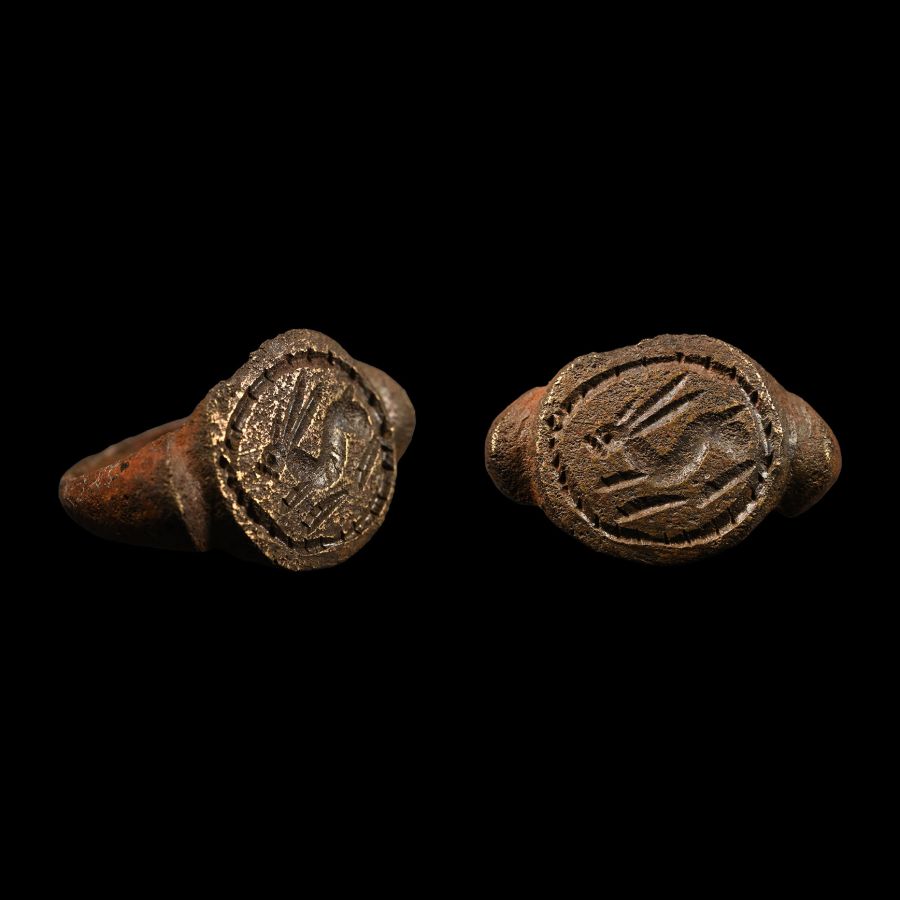
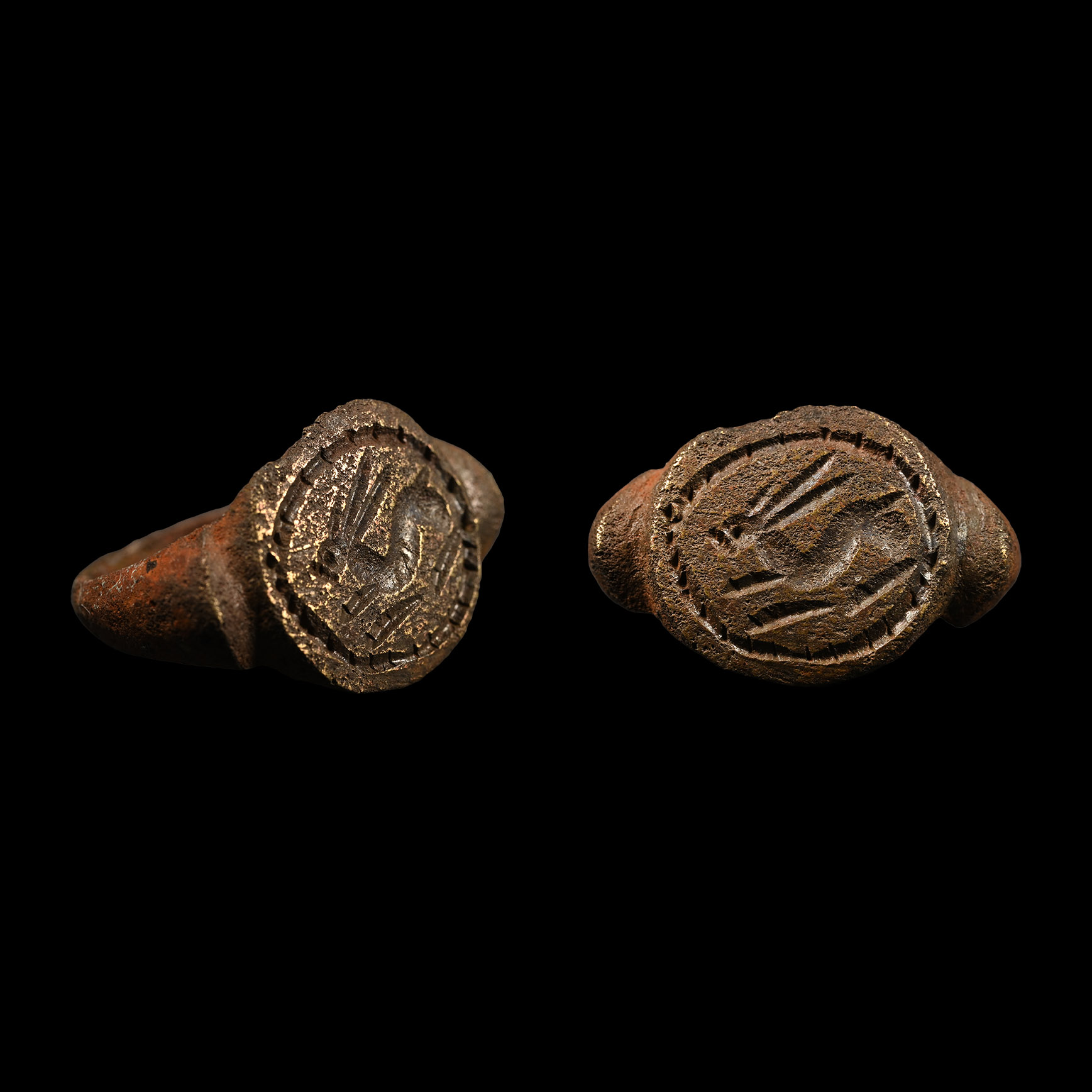
Roman Bronze Signet Ring with Hare Motif
3RD CENTURY A.D.
1 in. (4.65 grams, 24.33 mm overall, 20.11 x 17.64 mm internal diameter (approximate size British Q 1/2, USA 8 1/4, Europe 18.12, Japan 17)).
With slightly upturned shoulders, disc bezel with incuse figure of a hare. [No Reserve]
ProvenanceAcquired from the Cumberland Coin Show in 1998.
From the personal collection of a West London, UK, gentleman.
Cf. Ruseva-Slokoska, L., Roman Jewellery, Sofia, 1991, item 197.
CONDITIONTimeLine Auctions follows a vetting process to ensure the authenticity and legality of all items, reinforcing our commitment to integrity and responsible trading. Each antiquity, antique, and coin lot undergoes thorough examination by a vetting committee of at least ten external specialists, professional trade association members, scientists, and archaeologists: Our Vetting Process
AUCTIONS:
TimeLine is a leading auction house specialising in antiquities, ancient art, collectables, natural history, coins, medals, and books. Our auctions offer museums, collectors, historians, and enthusiasts the opportunity to acquire unique and historically significant pieces.
-
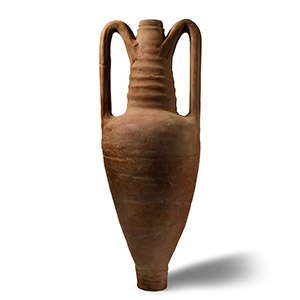
Large Roman Aegean Terracotta Amphora
Early 3rd century B.C.Sold for (Inc. bp): £1,950
Tall and with a narrow base, two sturdy ribbed strap handles and a conical neck with a stepped profile; restored. 7.8 kg, 69 cm
From a collection acquired on the UK art market from various auction houses and collections mostly before 2000. From an important Cambridgeshire estate; thence by descent. -
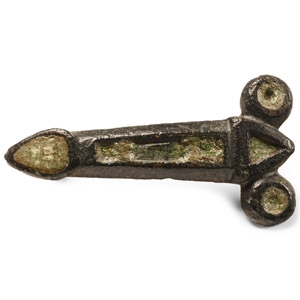
Roman Enamelled Bronze Phallic Mount
2nd century A.D.Sold for (Inc. bp): £195
With segmented enamelled cells to the obverse, two attachment studs to the reverse. 3.8 grams, 33 mm
Found West Row, Mildenhall, Suffolk, UK. Property of a Kent lady collector. -
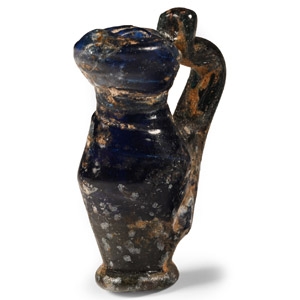
Roman Blue Glass Miniature Flagon
3rd-4th century A.D.Sold for (Inc. bp): £65
Lamp-work glass miniature ewer with applied strap handle. 4.19 grams, 29 mm
Acquired from Red House Antiques, York, UK, 2008. Ian Wilkinson collection, Nottinghamshire, UK.
