
Loading, please wait...
LOT 0723
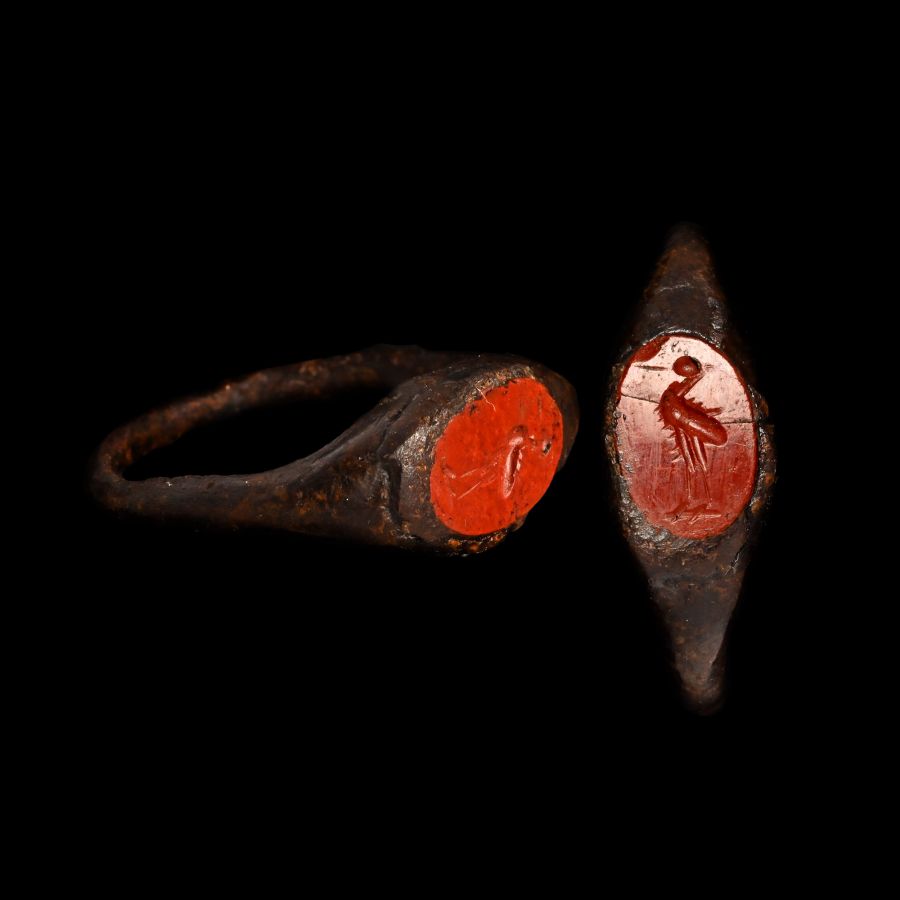
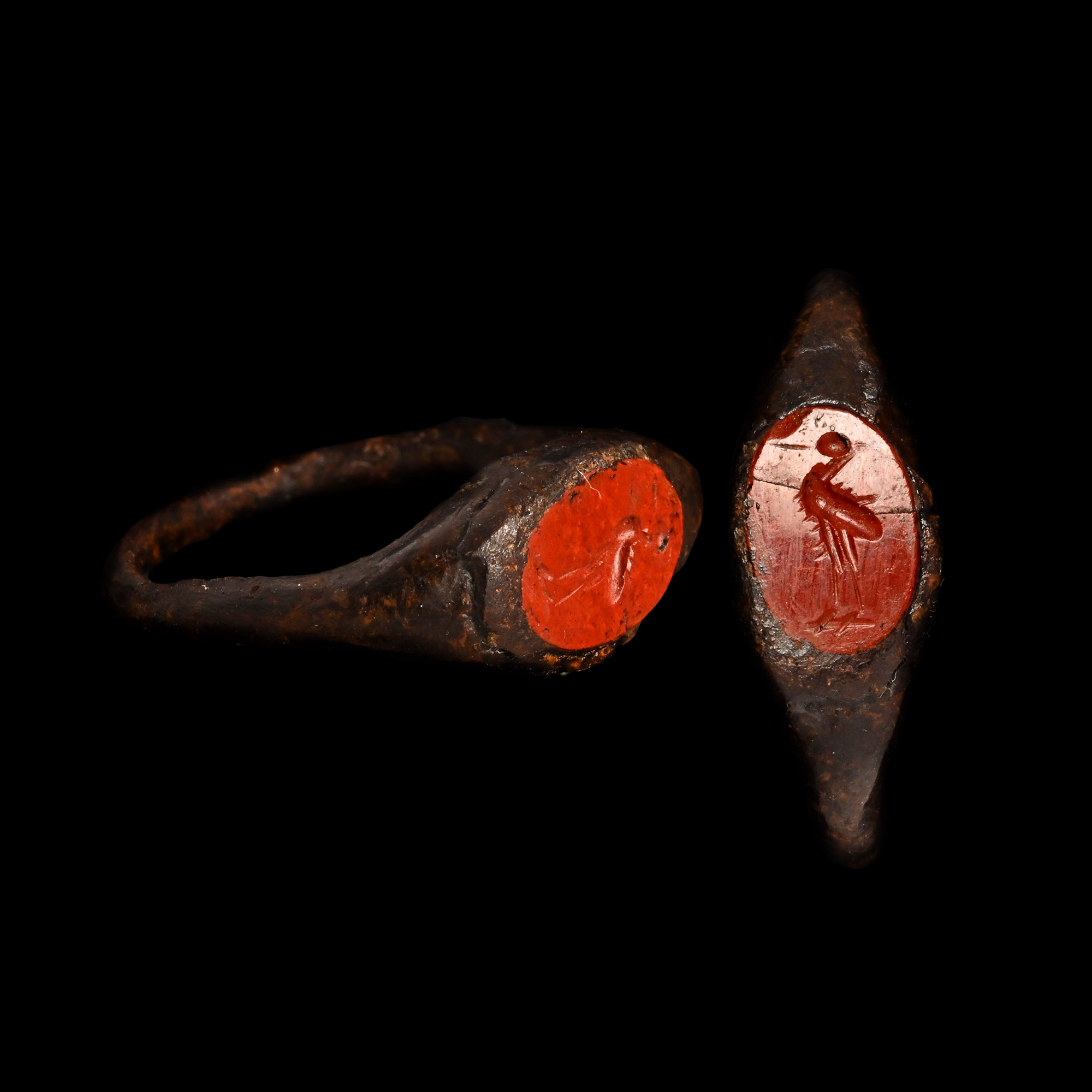
Roman Bronze Ring with Stork Gemstone
2ND-3RD CENTURY A.D.
1 in. (2.57 grams, 23.68 mm overall, 19.66 mm internal diameter (approximate size British O, USA 7, Europe 14.98, Japan 14)).
Slender round-section hoop with red jasper intaglio engraved with a standing stork.
ProvenanceEx Prof. Dr Emil Vogt (1906-1974), the former Director of the Swiss National Museum, Zürich, in his collection before 1970.
with Galerie Rhéa, Zurich, Switzerland.
TimeLine Auctions follows a vetting process to ensure the authenticity and legality of all items, reinforcing our commitment to integrity and responsible trading. Each antiquity, antique, and coin lot undergoes thorough examination by a vetting committee of at least ten external specialists, professional trade association members, scientists, and archaeologists: Our Vetting Process
AUCTIONS:
TimeLine is a leading auction house specialising in antiquities, ancient art, collectables, natural history, coins, medals, and books. Our auctions offer museums, collectors, historians, and enthusiasts the opportunity to acquire unique and historically significant pieces.
LOT 0723
Roman Bronze Ring with Stork Gemstone
Estimate £500 - 700€580 - 810 (for guidance only)$680 - 950 (for guidance only)
-
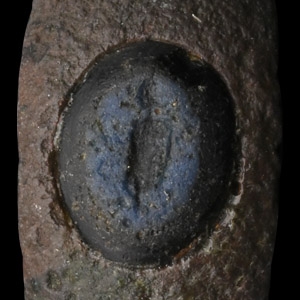
Roman Bronze Ring with Figural Intaglio
Circa 2nd century A.D.Sold for (Inc. bp): £46
With rounded shoulders and tapering shank, inset glass gem with standing figure. 4.63 grams, 21.60 mm overall, 17.95 mm internal diameter (approximate size British L 1/2, USA 6, Europe 11.87, Japan 11)
Acquired on the UK art market in the late 20th century A.D. From the private collection of the late David King (1940-2024), Hoddesdon, Hertfordshire, UK. -
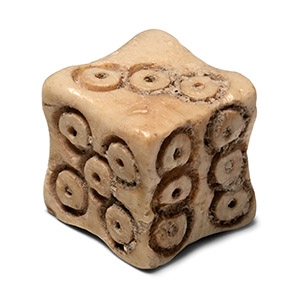
Roman Bone Gaming Dice
1st-4th century A.D.Sold for (Inc. bp): £156
Cuboid with slightly dished faces, incised ring-and-dot markings disposed 1:6, 2:5, 3:4. 3.45 grams, 12 x 13 mm
From a collection of gaming items, formed 1980-1990s. -
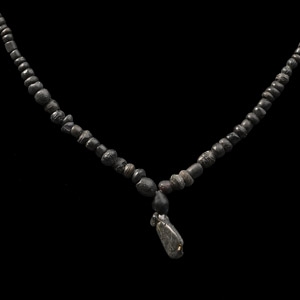
Roman Black Glass Bead Necklace String
1st-4th century A.D. and laterSold for (Inc. bp): £65
Restrung designer necklace string of tubular, oblate and other types with tabular teardrop pendant centrepiece. 8.6 grams, 44 cm
London, UK, collection, 2000s.
