
Loading, please wait...
LOT 0618
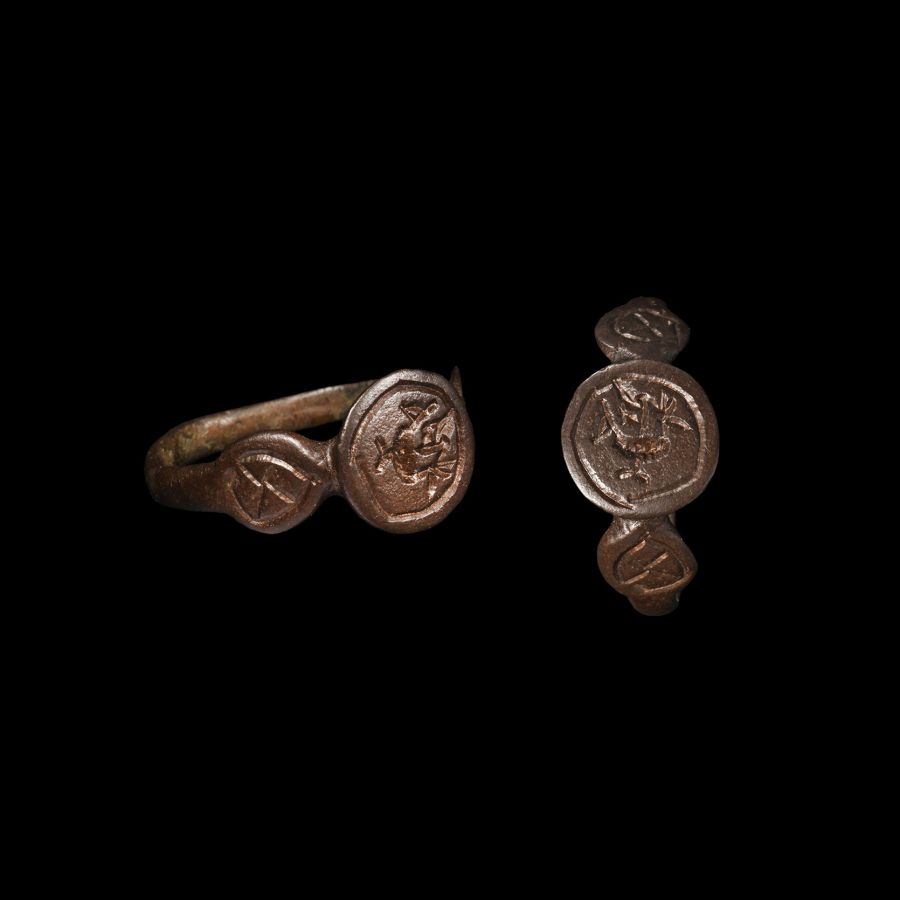
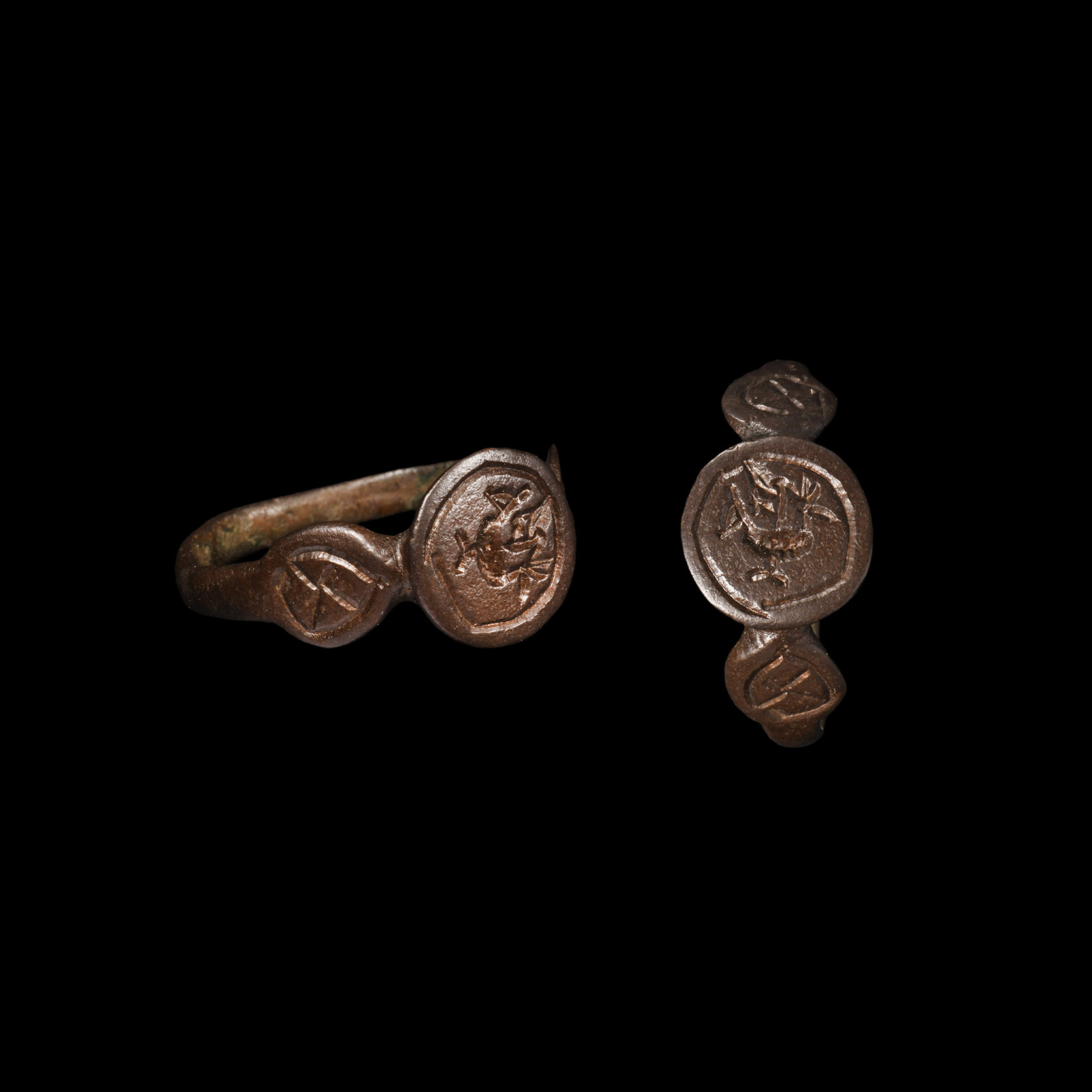
Roman Bronze Ring with Bird
3RD-4TH CENTURY A.D.
1 in. (2.87 grams, 23.05 mm overall, 20.44 mm internal diameter (approximate size British U, USA 10, Europe 22.52, Japan 21)).
Large disc bezel with standing bird and cross(?) within a ring, flanking discs with saltire in a ring. [No Reserve]
ProvenanceEx Garcia collection, France, 1990s.
FootnotesThe bird probably represents the dove symbolising the Holy Spirit.
CONDITIONTimeLine Auctions follows a vetting process to ensure the authenticity and legality of all items, reinforcing our commitment to integrity and responsible trading. Each antiquity, antique, and coin lot undergoes thorough examination by a vetting committee of at least ten external specialists, professional trade association members, scientists, and archaeologists: Our Vetting Process
AUCTIONS:
TimeLine is a leading auction house specialising in antiquities, ancient art, collectables, natural history, coins, medals, and books. Our auctions offer museums, collectors, historians, and enthusiasts the opportunity to acquire unique and historically significant pieces.
-
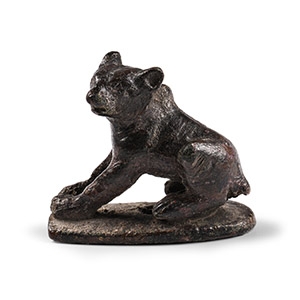
Roman Bronze Sitting Bear
1st-4th century A.D.Estimate: £600 - 800 (+bp*)
Opening Bid: £333
Formed in the round on a curved base, semi-naturalistic anatomical and facial detailing; circular socket to base of neck and base. 65 grams, 47 mm
‘The Ancient Menagerie Collection’ formerly the property of a Cambridgeshire lady, collected since the 1990s and acquired from auctions and dealers throughout Europe and the USA, now ex London collection. -
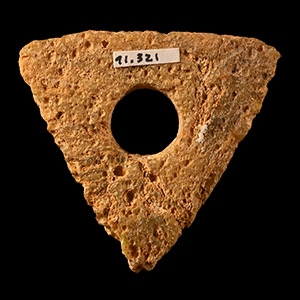
Large Romano-Celtic Yellow Glass Triangular Mount
1st century B.C.-1st century A.D.Sold for (Inc. bp): £13
In the form of an equilateral triangle, pierced through the centre for mounting. 9.1 grams, 33 mm
From the Robin Symes Gallery, stock number 91-321 on label, inventory number 185. -
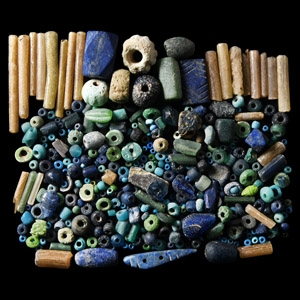
Roman Mixed Bead Group
2nd-5th century A.D.Sold for (Inc. bp): £59
Composed of mainly opaque polychrome glass, faience and stone beads of a variety of sizes and types, including melon, tubular, facetted, annular and barrel types, and others. 54 grams total, 2-36 mm
Ex W.J. collection, 1990s.
