
Loading, please wait...
LOT 0767
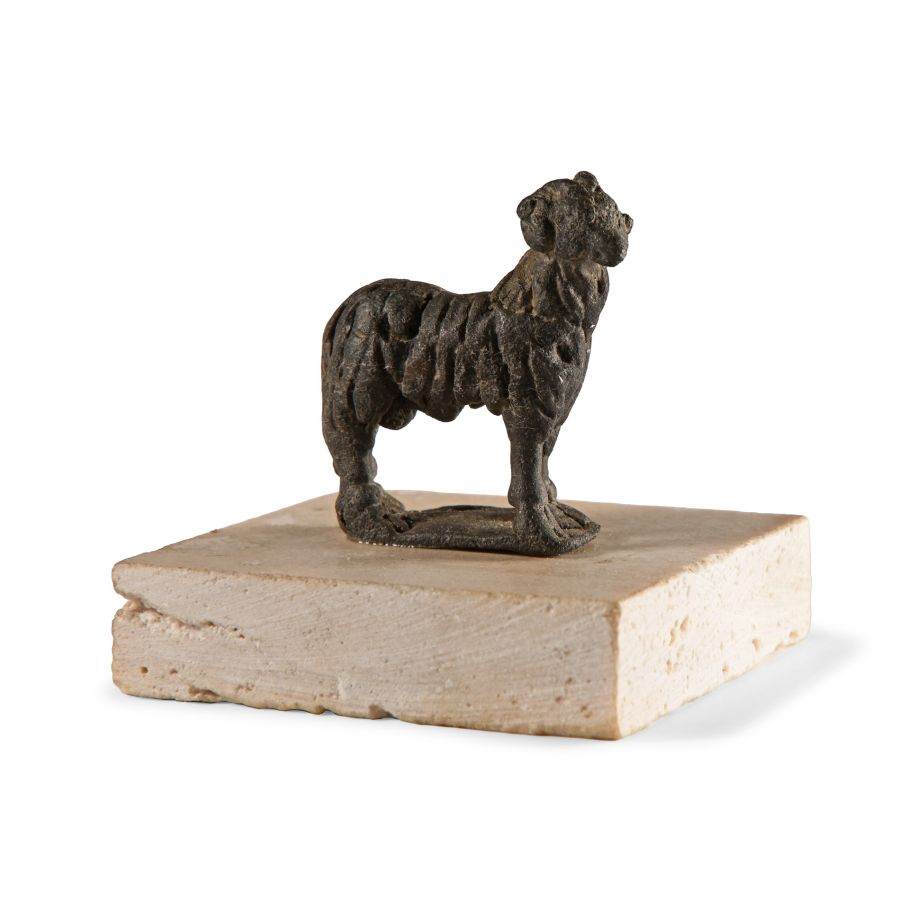
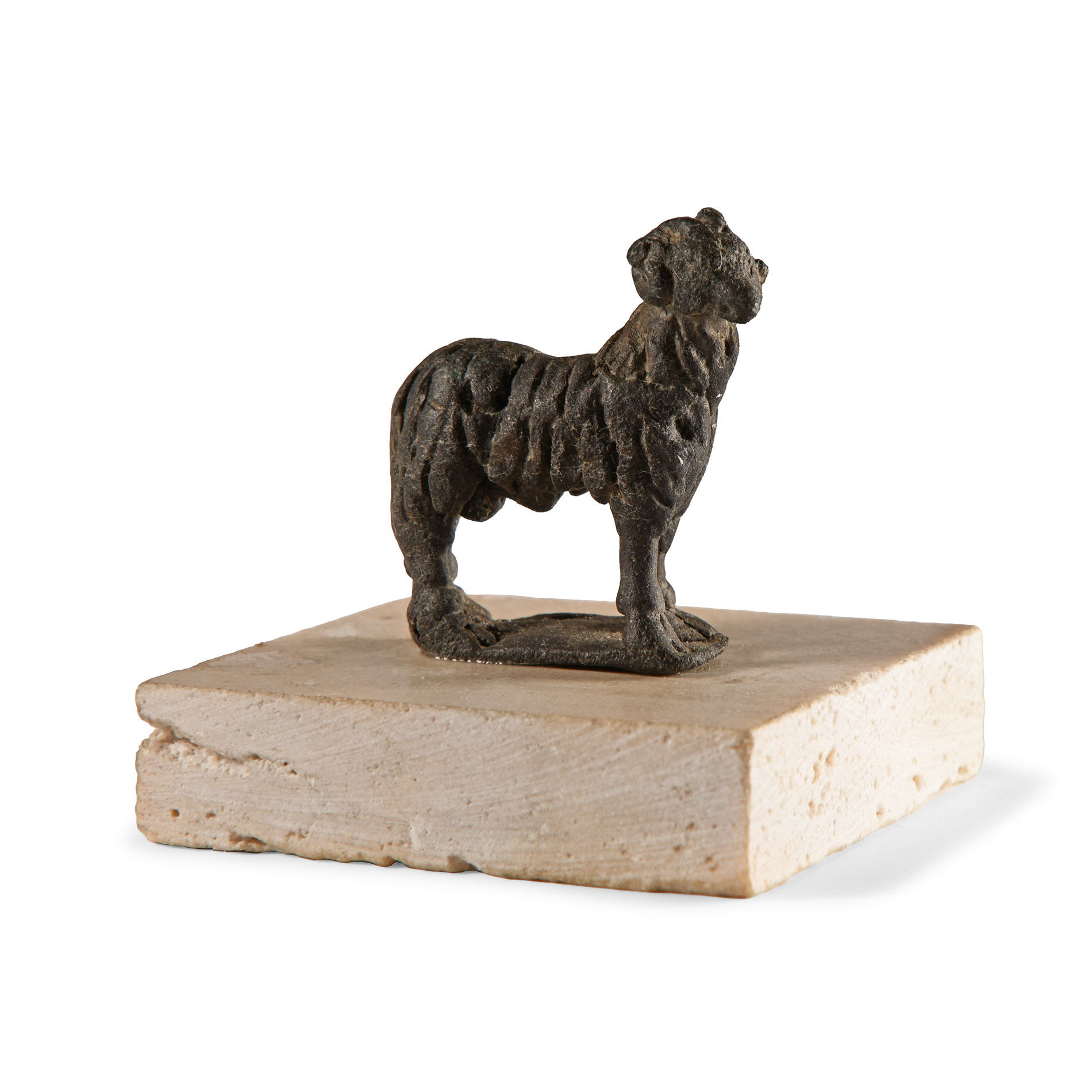
Roman Bronze Ram Statuette
1ST-3RD CENTURY A.D.
2 in. (99 grams, 50 mm including stand).
Modelled in the round, standing on an irregular base, with shaggy coat and coiled horns; mounted on a custom-made stand. [No Reserve]
ProvenanceFrom a collection acquired on the UK art market from various auction houses and collections mostly before 2000.
From an important Cambridgeshire estate; thence by descent.
Cf. Durham, E., Metal Figurines in Roman Britain, vol. 2, Reading, 2010, pl.279, for type.
CONDITIONTimeLine Auctions follows a vetting process to ensure the authenticity and legality of all items, reinforcing our commitment to integrity and responsible trading. Each antiquity, antique, and coin lot undergoes thorough examination by a vetting committee of at least ten external specialists, professional trade association members, scientists, and archaeologists: Our Vetting Process
AUCTIONS:
TimeLine is a leading auction house specialising in antiquities, ancient art, collectables, natural history, coins, medals, and books. Our auctions offer museums, collectors, historians, and enthusiasts the opportunity to acquire unique and historically significant pieces.
-
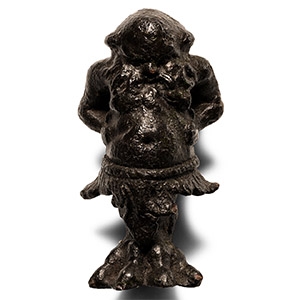
Roman Bronze Silenus Statuette Casket Fitting
2nd century B.C.-1st century A.D.Sold for (Inc. bp): £338
Standing wearing a hide skirt held up with rope, lion's claw foot below. arched bracket to rear. 124 grams, 63 mm
From a collection acquired on the UK art market from various auction houses and collections mostly before 2000. From an important Cambridgeshire estate; thence by descent. -
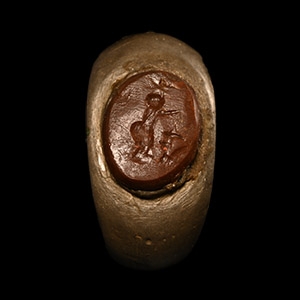
Roman Silver Ring with Advancing Bull Gemstone
Circa 2nd century A.D.Sold for (Inc. bp): £338
With a later inset jasper cloison, intaglio advancing bull motif. 8.62 grams, 26.05 mm overall, 20.85 mm internal diameter (approximate size British N 1/2, USA 6 3/4, Europe 14.35, Japan 13)
Acquired between the 1960s-early 1990s. From an old UK private collector from Worthing, West Sussex, UK. Property of K.P., a Cornish lady collector, UK. -
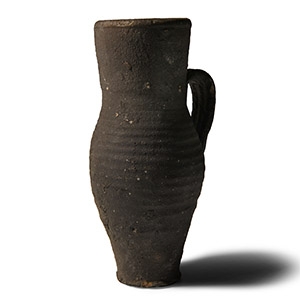
Roman Ribbed Greyware Jug
Carthage, circa 1st-2nd century A.D.Sold for (Inc. bp): £169
Slender in profile with narrow base, loop handle to the shoulder, flared mouth; with the remains of an antique label to the base. 303 grams, 16 cm
From a collection acquired on the UK art market from various auction houses and collections mostly before 2000. From an important Cambridgeshire estate; thence by descent.
