
Loading, please wait...
LOT 0752
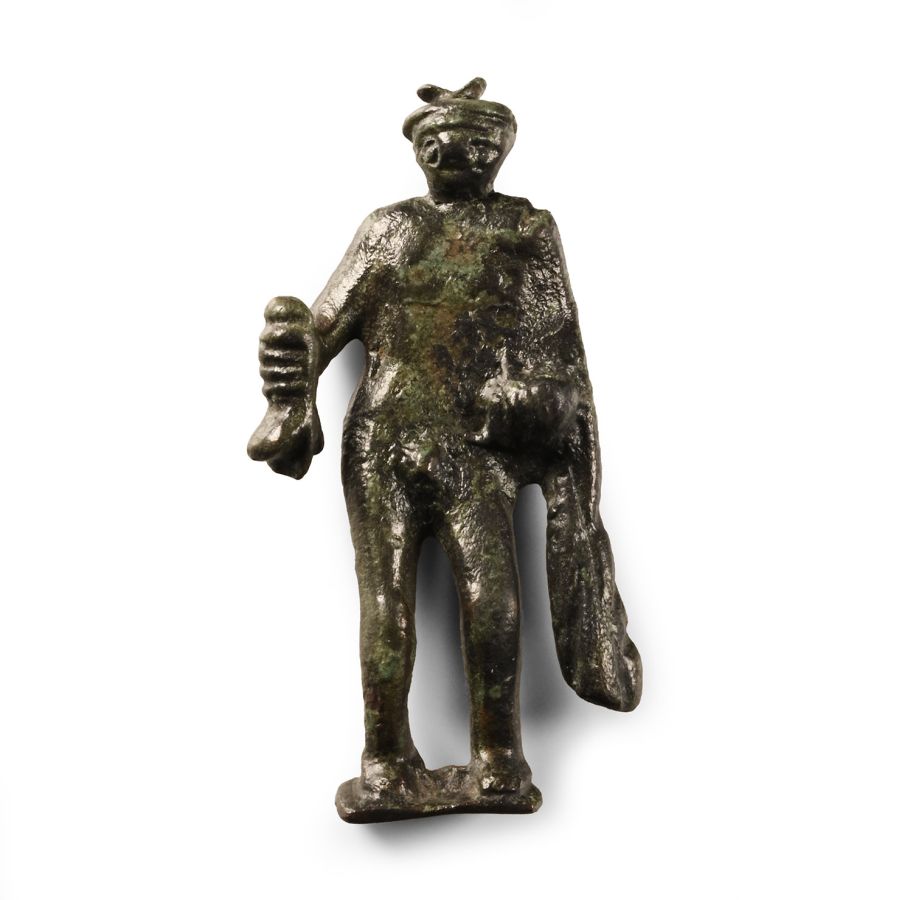
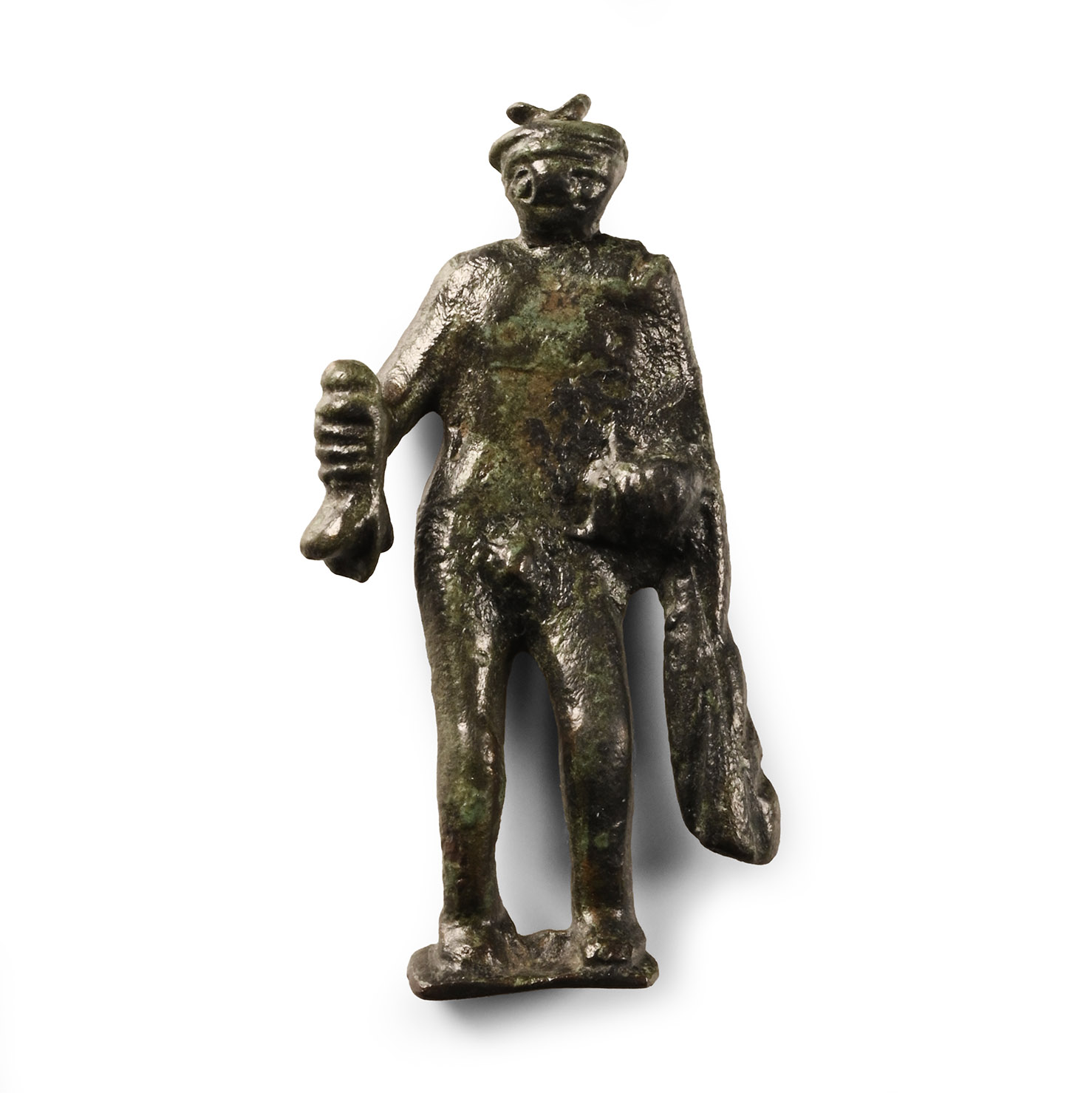
Roman Bronze Provincial Mercury Statuette
1ST CENTURY B.C.-1ST CENTURY A.D.
2 in. (23 grams, 51 mm).
Standing nude with draped mantle over his left arm, wearing a winged petasos and holding a marsupium in his right hand; provincial workmanship. [No Reserve]
ProvenanceEx German art market, 2000s.
Acquired from an EU collector living in London.
From the collection of Surrey, UK, gentleman.
TimeLine Auctions follows a vetting process to ensure the authenticity and legality of all items, reinforcing our commitment to integrity and responsible trading. Each antiquity, antique, and coin lot undergoes thorough examination by a vetting committee of at least ten external specialists, professional trade association members, scientists, and archaeologists: Our Vetting Process
AUCTIONS:
TimeLine is a leading auction house specialising in antiquities, ancient art, collectables, natural history, coins, medals, and books. Our auctions offer museums, collectors, historians, and enthusiasts the opportunity to acquire unique and historically significant pieces.
-
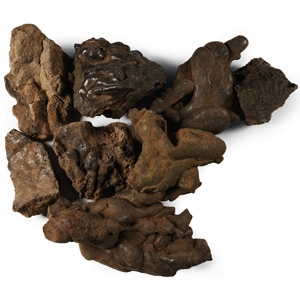
Romano-British 'Colchester' Kiln Slag Collection
1st-4th century A.D.Sold for (Inc. bp): £1
Irregular kiln slag fragments with various inclusions. 1.33 kg total, 4.6-12.4 cm
Found Colchester, Essex, UK. From the collection of a late East Anglian teacher and antiquarian who retired to the Isle of Wight in Hampshire, UK. He amassed a large collection of objects between the 1960s-1980s. -
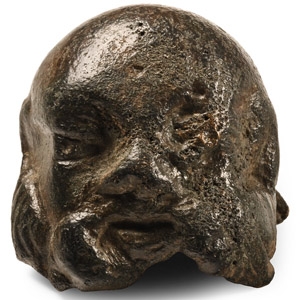
Roman Bronze Silenus Head Mount
1st-3rd century A.D.Sold for (Inc. bp): £13
Hollow-formed head with flaccid features, rim to reverse and mounting bar. 17.14 grams, 23 mm
From a Suffolk, UK, collection, 1990s-2000s. -
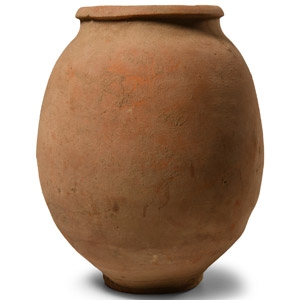
Roman Terracotta Jar
1st-4th century A.D.Sold for (Inc. bp): £78
Fusiform in profile with broad carinated mouth, slightly flared base. 1 kg, 19.5 cm
Acquired 1980-2015. Ex Abelita family collection.
