
Loading, please wait...
LOT 0943
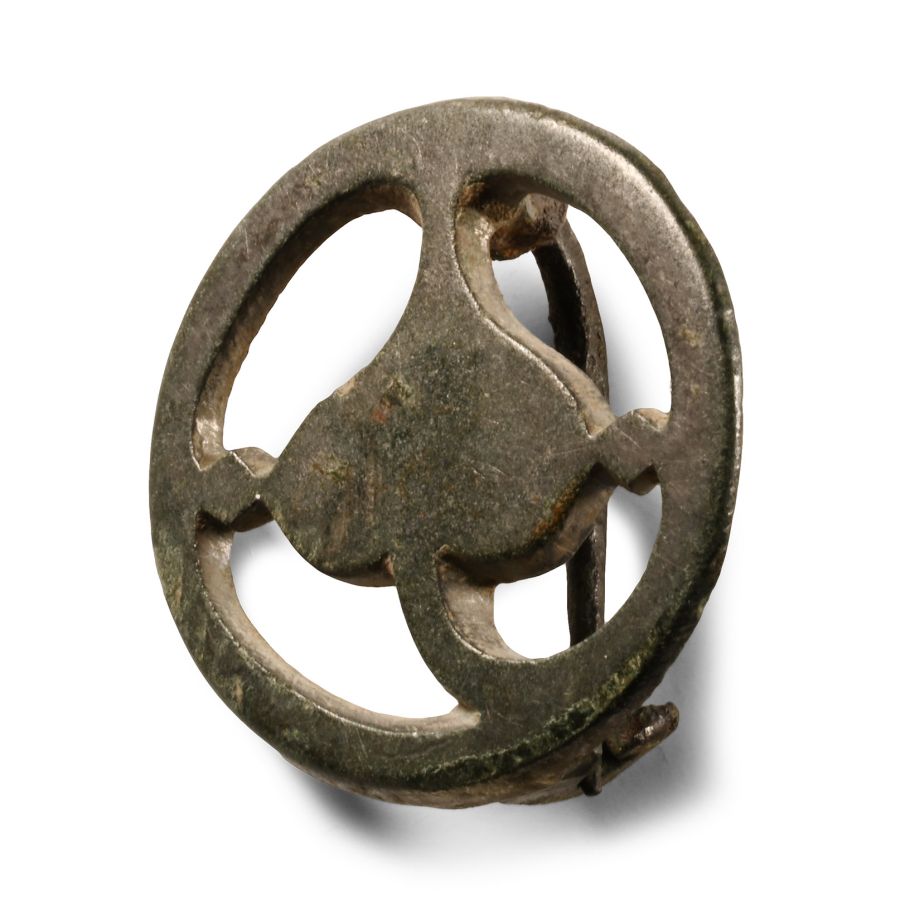
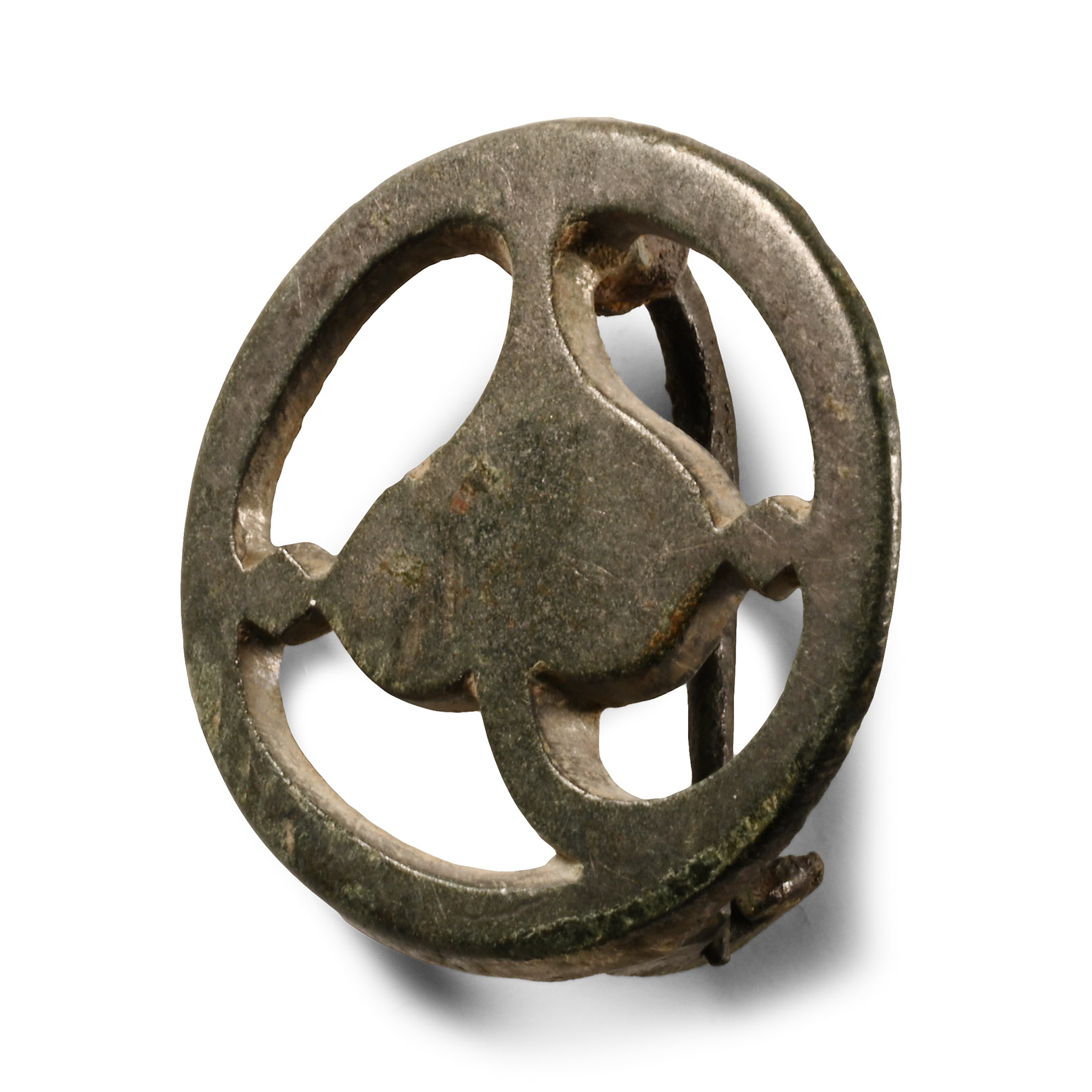
Roman Bronze Plate Brooch with Vine Leaf
CIRCA 2ND CENTURY A.D.
1 1/8 in. (10 grams, 29 mm).
Complete with pin lug, pin and catchplate to reverse. [No Reserve]
ProvenanceAcquired prior to 2000.
Ex private collection, Cambridgeshire, UK.
TimeLine Auctions follows a vetting process to ensure the authenticity and legality of all items, reinforcing our commitment to integrity and responsible trading. Each antiquity, antique, and coin lot undergoes thorough examination by a vetting committee of at least ten external specialists, professional trade association members, scientists, and archaeologists: Our Vetting Process
AUCTIONS:
TimeLine is a leading auction house specialising in antiquities, ancient art, collectables, natural history, coins, medals, and books. Our auctions offer museums, collectors, historians, and enthusiasts the opportunity to acquire unique and historically significant pieces.
-
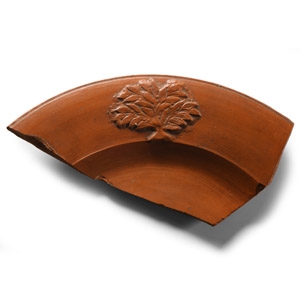
Roman Redware Pottery Sherd with Olive Tree
Circa 4th-5th century A.D.Sold for (Inc. bp): £117
Comprising a large edge section with impressed olive tree, with details of branches, fruit and foliage. 87 grams, 17 cm
Acquired 1960s-1990s. From the late Alison Barker collection, a retired London barrister.
The representation of an olive tree on this sigillata is not casual. In the early Imperial period the export of the Adriatic olive oil, following the amber road, moved from Aquileia to the provinces of Roman Pannonia. During the 3rd century, the production of the Spanish olive oil reached the Northern Roman provinces. Olives were transported in particular amphorae and served with specific vessels, distinguishing the black olives (olivae nerae) from the white olives (olivae albae). -
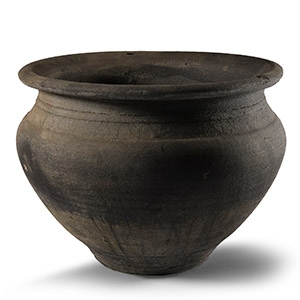
Large Roman 'Upchurch' Greyware Storage Jar
2nd century A.D.Sold for (Inc. bp): £845
With everted rim and decorative geometric band to the shoulder. 1.98 kg, 28 cm wide
Found Upchurch Marshes, Kent, UK, in the 1980s. Ex Winter Collection, Kent, UK.
The Roman pottery kilns on what are now the tidal marshes at Upchurch, Kent, are justly famed as a thriving pottery production area with many kiln and related sites. The London clay in this area is of fine quality and was thus suitable for pottery making. With the rise in the sea level, the area is now mostly inundated and, as tidal forces erode the silts, pottery (often 'seconds'), is sometimes exposed. The soft muds and general inaccessibility of the area make collection difficult. -
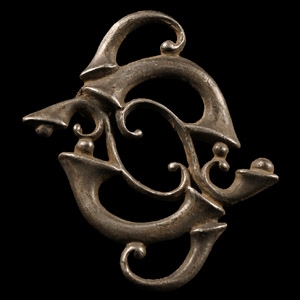
Roman Silver Trumpet Whorl Brooch
2nd century A.D.Sold for (Inc. bp): £520
Fine openwork casting of La Tène trumpets and scrolls with catch to the reverse. 10.5 grams, 38 mm
Ex London collection, 1990s. Acquired on the UK art market. Property of an East London gentleman.
