
Loading, please wait...

LOT 0709
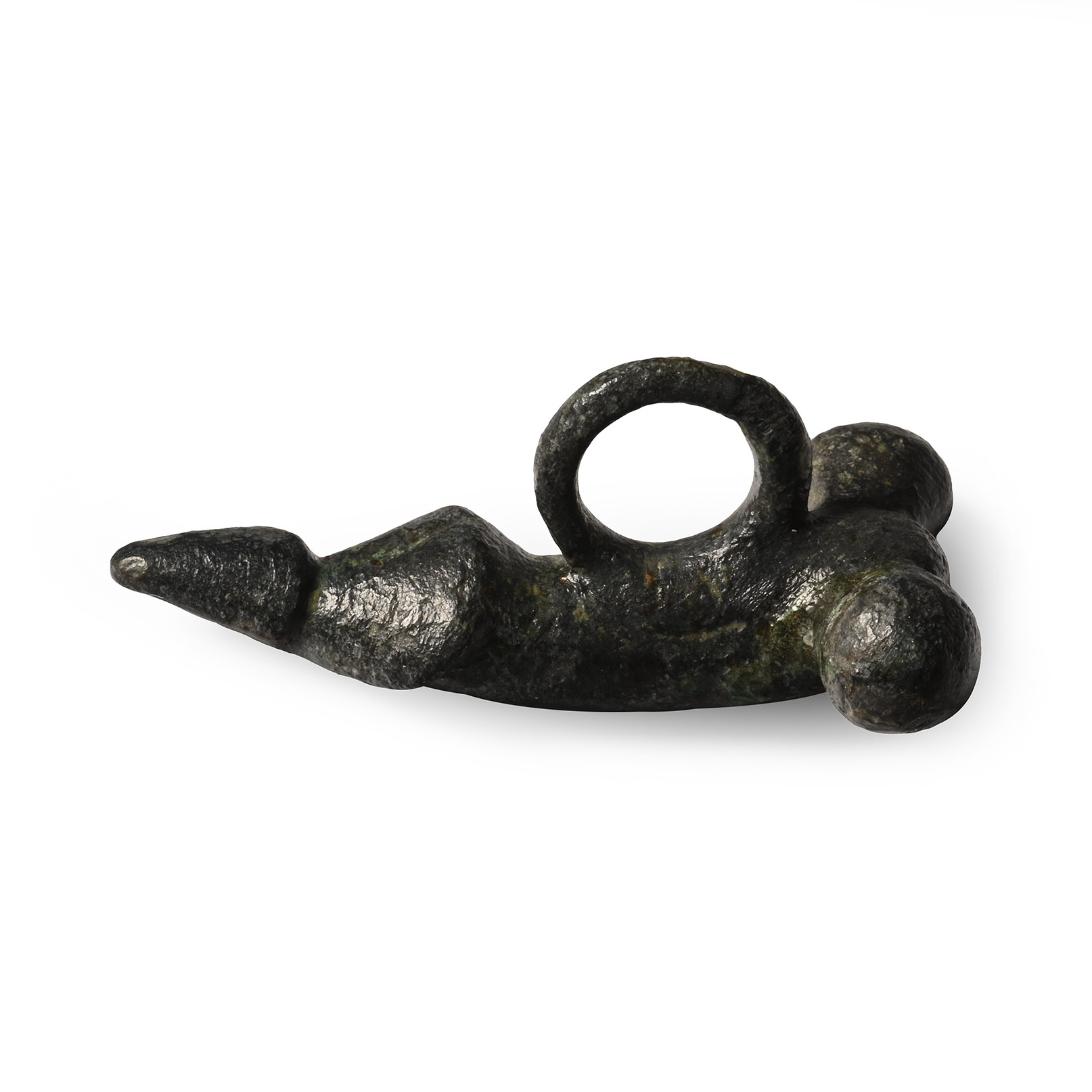
Roman Bronze Phallic Pendant
1ST-4TH CENTURY A.D.
1 5/8 in. (16.9 grams, 40 mm).
Formed as a stylised phallus with lateral testes, suspension loop above. [No Reserve]
ProvenanceEx German art market, 2000s.
Acquired from an EU collector living in London.
From the collection of Surrey, UK, gentleman.
TimeLine Auctions follows a vetting process to ensure the authenticity and legality of all items, reinforcing our commitment to integrity and responsible trading. Each antiquity, antique, and coin lot undergoes thorough examination by a vetting committee of at least ten external specialists, professional trade association members, scientists, and archaeologists: Our Vetting Process
AUCTIONS:
TimeLine is a leading auction house specialising in antiquities, ancient art, collectables, natural history, coins, medals, and books. Our auctions offer museums, collectors, historians, and enthusiasts the opportunity to acquire unique and historically significant pieces.
-
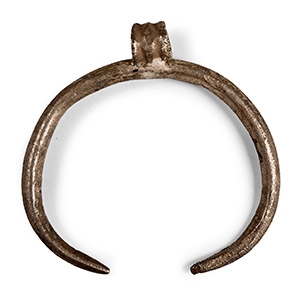
Roman Silver Lunar Pendant
2nd-3rd century A.D.Sold for (Inc. bp): £78
Of crescentic form with integral ribbed suspension loop. 2.66 grams, 30 mm
Ex German art market, 2000s. Acquired from an EU collector living in London. From the collection of Surrey, UK, gentleman. -
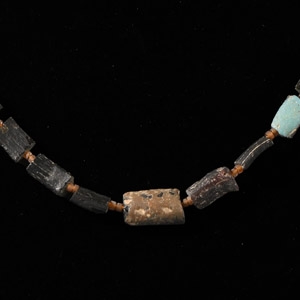
Roman Polychrome Glass Bead Necklace
1st-4th century A.D. and laterSold for (Inc. bp): £39
Comprising a necklace restrung from beads of drilled ancient glass bangle fragments. 11 grams, 72 cm
UK gallery, early 2000s. -
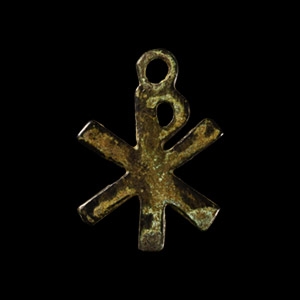
Late Roman Bronze Chi Rho Pendant
4th-6th century A.D.Sold for (Inc. bp): £143
Amuletic Christogram pendant with loop above. 2.71 grams, 37 mm
From a collection acquired on the UK art market from various auction houses and collections mostly before 2000. From an important Cambridgeshire estate; thence by descent.
