
Loading, please wait...
LOT 0612
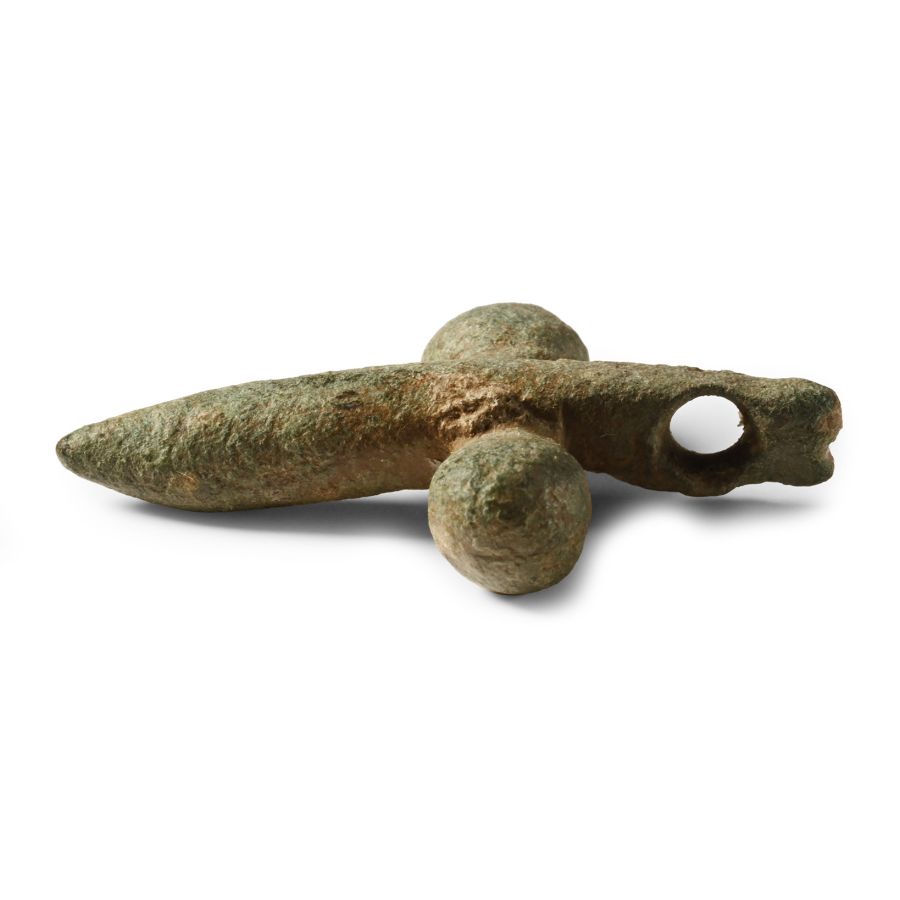
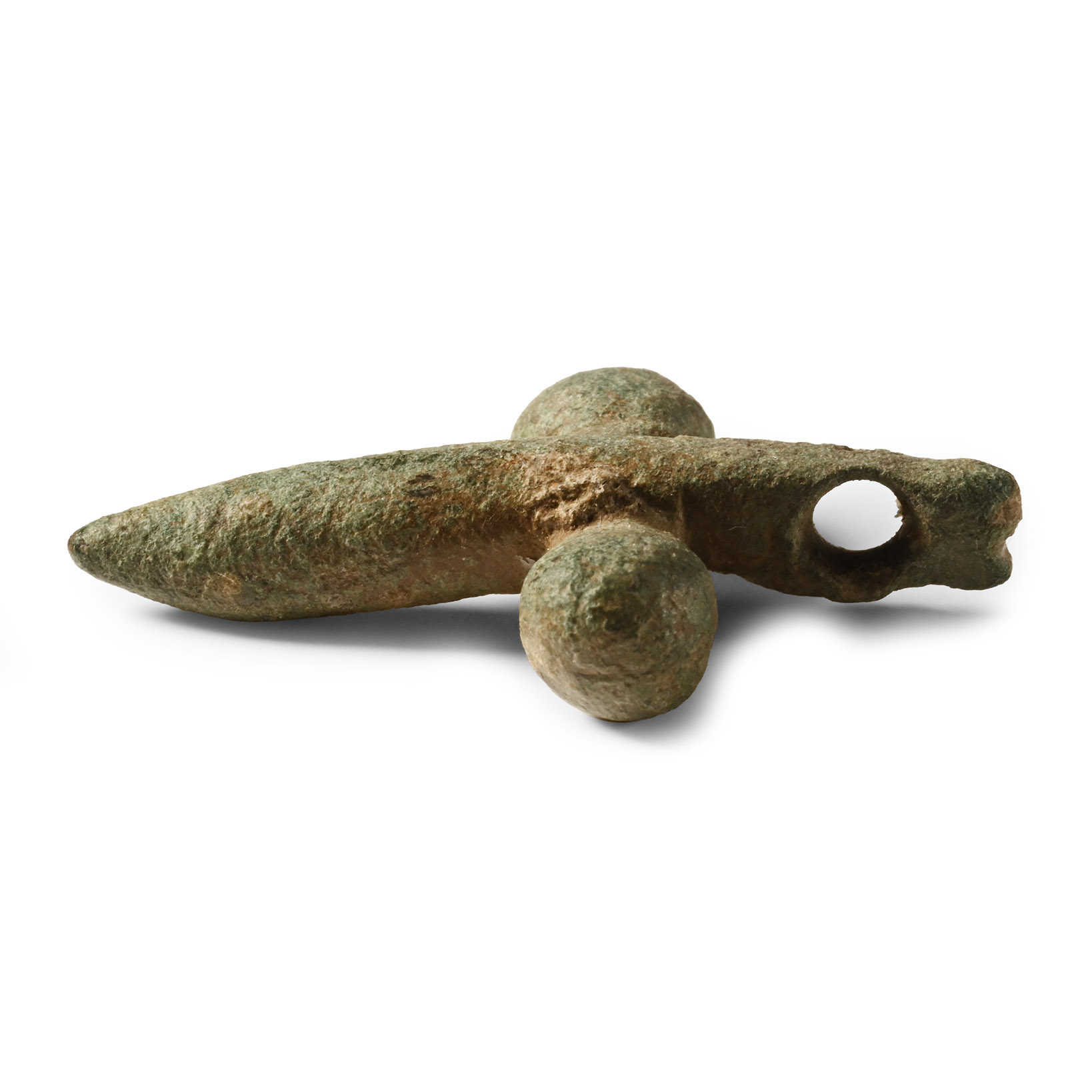
Roman Bronze Phallic Pendant
1ST-4TH CENTURY A.D.
1 1/4 in. (6.75 grams, 32 mm).
With vertical shank and two flanking bulbs, pierced for suspension. [No Reserve]
ProvenanceFound Cambridgeshire, UK.
CONDITIONTimeLine Auctions follows a vetting process to ensure the authenticity and legality of all items, reinforcing our commitment to integrity and responsible trading. Each antiquity, antique, and coin lot undergoes thorough examination by a vetting committee of at least ten external specialists, professional trade association members, scientists, and archaeologists: Our Vetting Process
AUCTIONS:
TimeLine is a leading auction house specialising in antiquities, ancient art, collectables, natural history, coins, medals, and books. Our auctions offer museums, collectors, historians, and enthusiasts the opportunity to acquire unique and historically significant pieces.
-
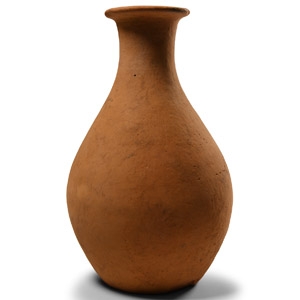
Roman Terracotta Bottle
1st-4th century A.D.Sold for (Inc. bp): £78
Piriform in profile with broad flared rim to the mouth; chip to equator. 432 grams, 18.5 cm
Acquired 1980-2015. Ex Abelita family collection. -
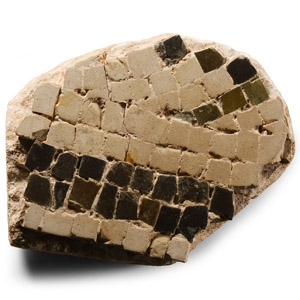
Roman Floor Mosaic Section
North Africa, 2nd century A.D.Sold for (Inc. bp): £143
Portion of original matrix with inset tesserae, parallel lines and arches; old inked inscription: 'SIDI BOU ALI' to verso. 399 grams, 11.6 cm
Acquired Tunisia, North Africa. From a pre World War II collection, thence by descent. Ian Wilkinson collection, Nottinghamshire, UK, formed since 1985.
In African mosaics, combinations of black and white and cream tessellated mosaics often form the borders of important mosaics, such as that of El Jem, representing a Dionysiac procession. -
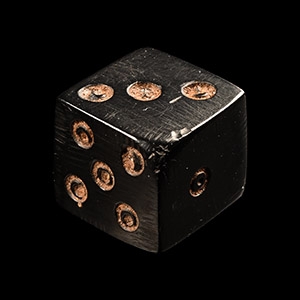
Large Romano-British Jet Gaming Dice
1st-4th century A.D.Sold for (Inc. bp): £312
Cuboid with ring-and-dot markings disposed 1:6, 2:5, 3:4. 1.78 grams, 12 mm
Found UK. From the important private collection of dice and gaming pieces of Colin Narbeth, London, UK, collection no.27(A).
