
Loading, please wait...
LOT 0891
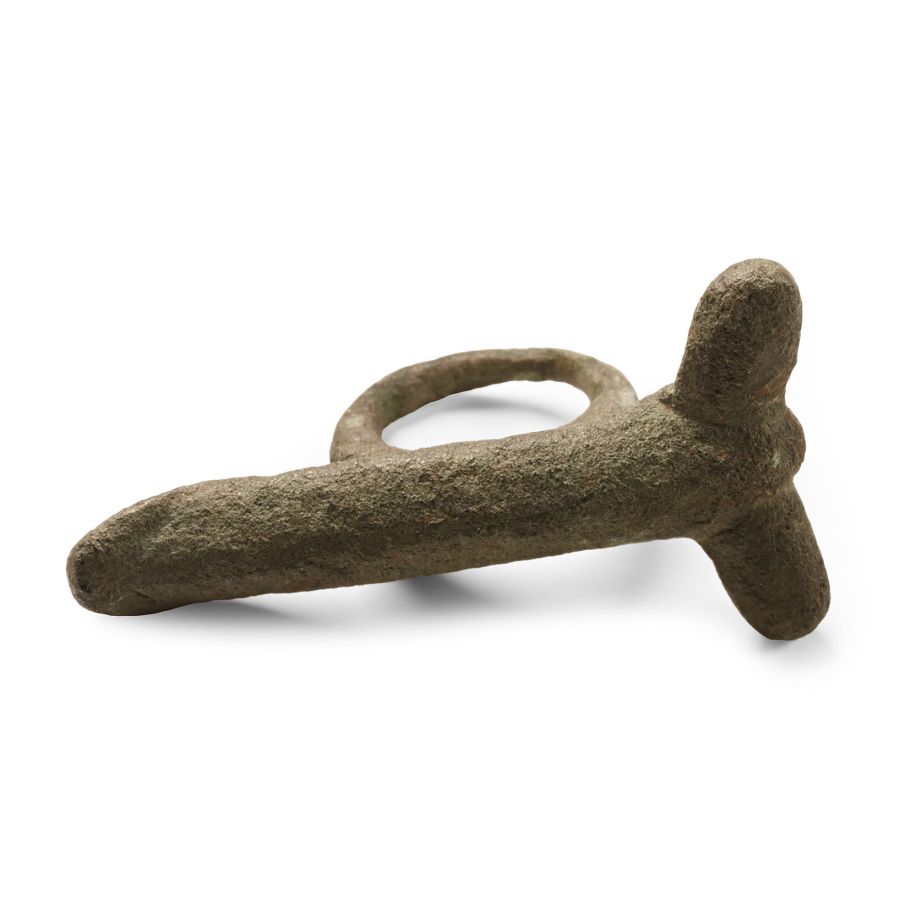
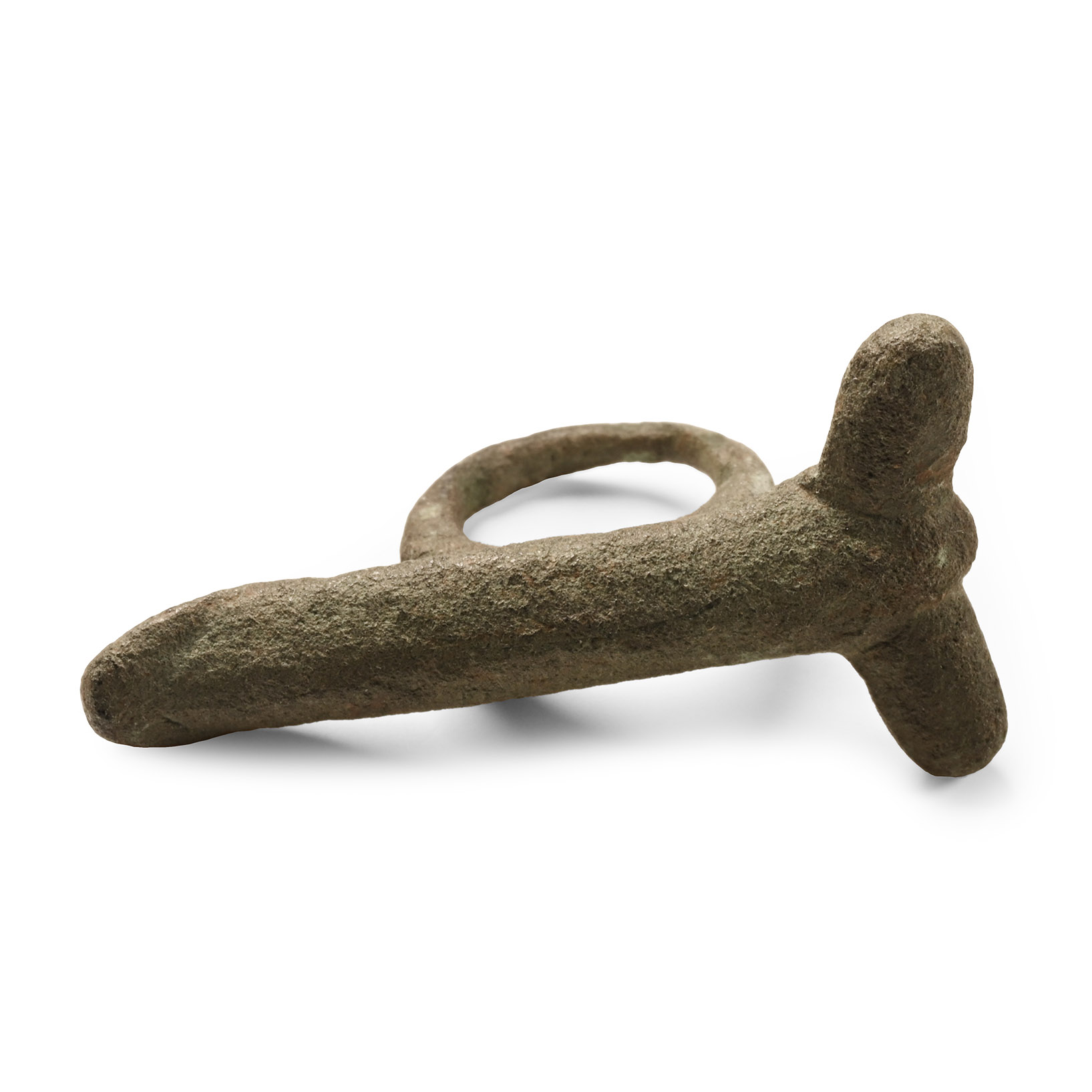
Roman Bronze Phallic Pendant
1ST-3RD CENTURY A.D.
1 3/8 in. (8.12 grams, 35 mm).
Comprising an elongated body with splayed testes and a large suspension loop above. [No Reserve]
ProvenanceEx German art market, 2000s.
Acquired from an EU collector living in London.
From the collection of Surrey, UK, gentleman.
TimeLine Auctions follows a vetting process to ensure the authenticity and legality of all items, reinforcing our commitment to integrity and responsible trading. Each antiquity, antique, and coin lot undergoes thorough examination by a vetting committee of at least ten external specialists, professional trade association members, scientists, and archaeologists: Our Vetting Process
AUCTIONS:
TimeLine is a leading auction house specialising in antiquities, ancient art, collectables, natural history, coins, medals, and books. Our auctions offer museums, collectors, historians, and enthusiasts the opportunity to acquire unique and historically significant pieces.
-
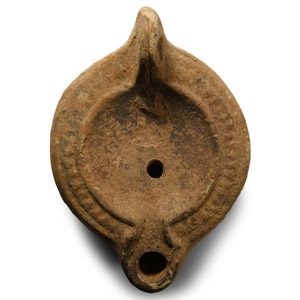
Roman Terracotta Oil Lamp
4th century A.D.Sold for (Inc. bp): £46
Gusseted lug handle to rear, discus with filling hole and plain central panel, radiating ribbed border to the shoulder; low basal ring; old collector's label '10454'. 201 grams, 11.6 cm
Private collection of Comolli family, Paris, France; acquired 1970s. -
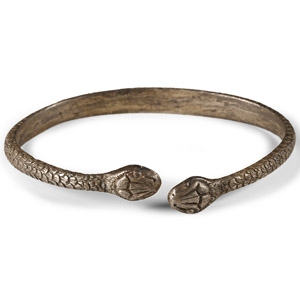
Romano-Egyptian Silver Snake Bracelet
30 B.C.-323 A.D.Sold for (Inc. bp): £1,170
Penannular type with serpent-head ends, scale detailing. 25.4 grams, 74 mm
Ex German art market, 2000s. Acquired from an EU collector living in London. From the collection of Surrey, UK, gentleman. -
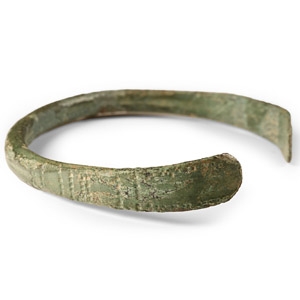
Roman Decorated Bronze Bracelet
1st-4th century A.D.Sold for (Inc. bp): £78
Penannular type with leaf-shaped flattened ends, lines of pointillé detailing. 17.6 grams, 64 mm
Ex German art market, 2000s. Acquired from an EU collector living in London. From the collection of Surrey, UK, gentleman.
