
Loading, please wait...
LOT 0686
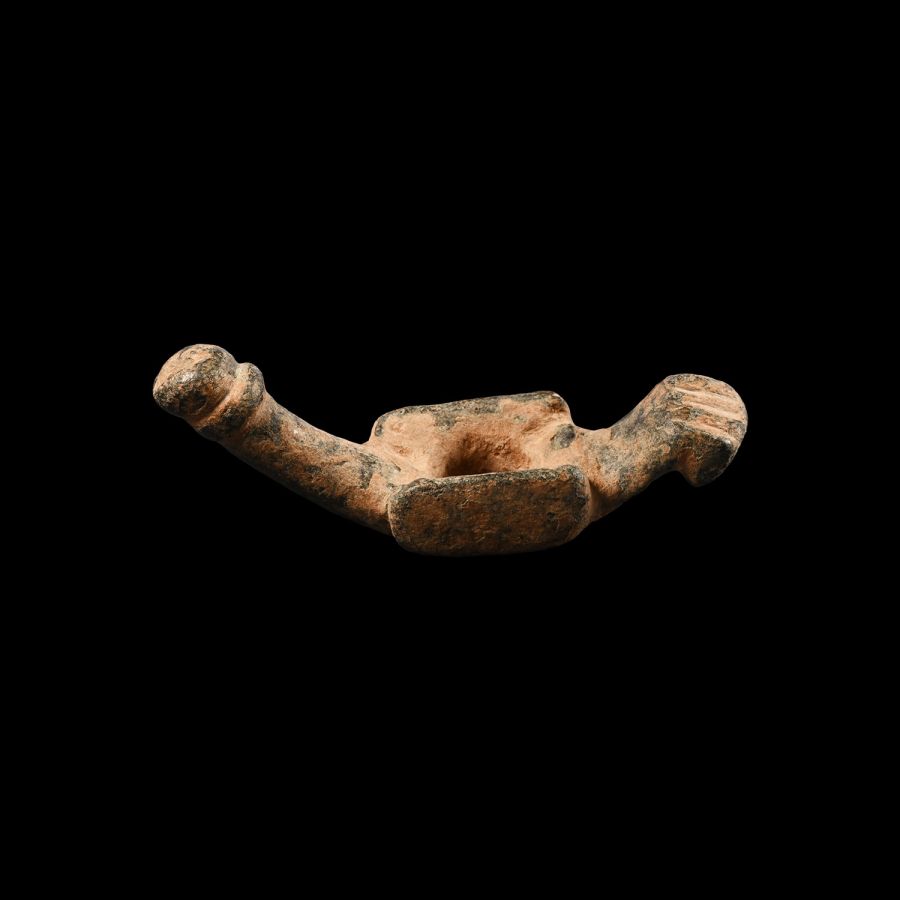
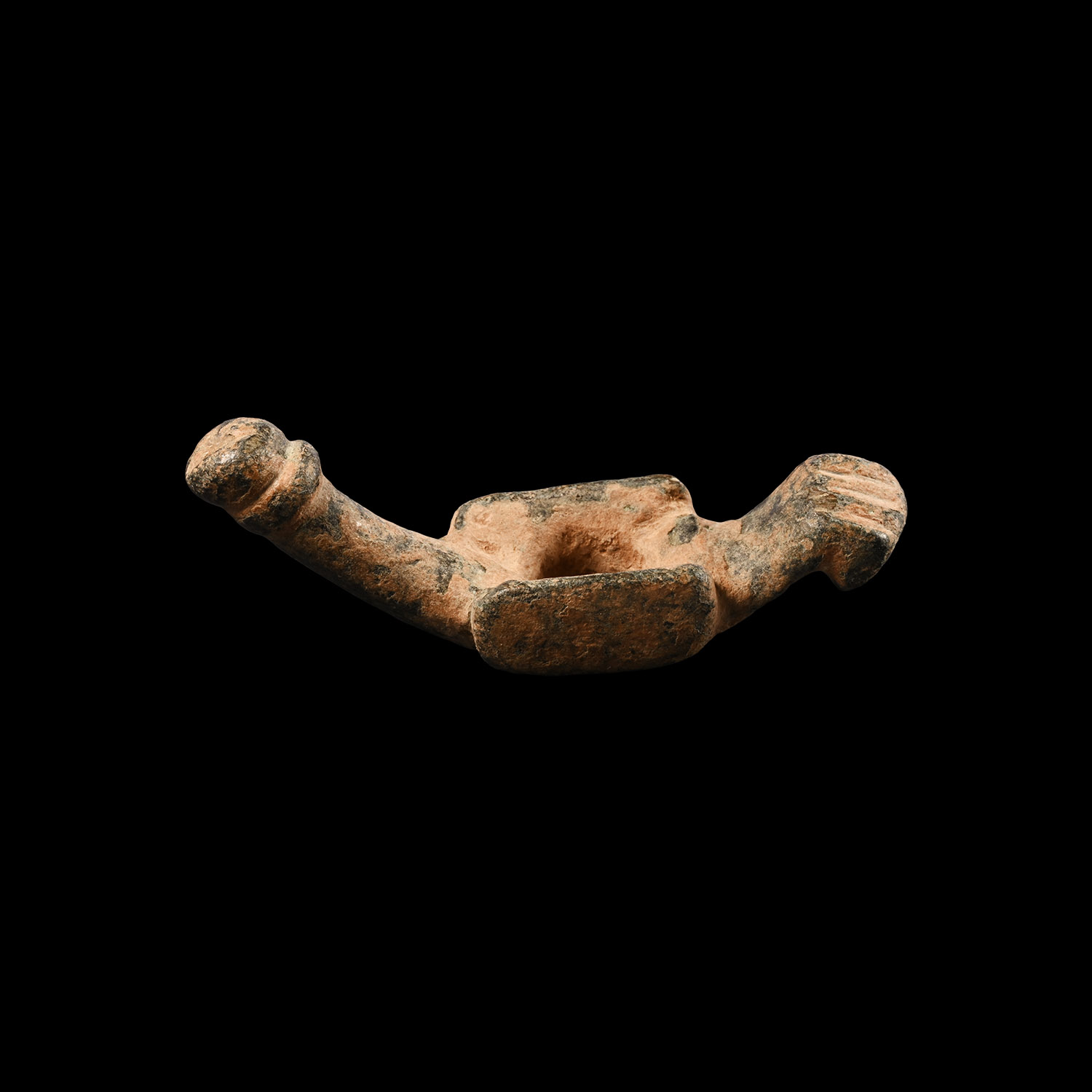
Roman Bronze Phallic Amulet
3RD-4TH CENTURY A.D. OR LATER
2 1/8 in. (26.1 grams, 55 mm).
Composed of a hollowed truncated conical socket, with a curved arm to each side, one ending in a phallic shape, the other ending with a closed fist.
ProvenanceAcquire in the 1990s.
Ex Cambridgeshire, UK, collection.
Cf. for similar amuler or pendant Rolland, H., Bronzes Antiques De Haute Provence, Paris, 1965, item 436.
FootnotesRoman phallic amulets are represented by many examples preserved in museums and private collections, with a vast variety of types. This specimen belongs to category of double phallus, even if one of the male attributes is here represented as a fist. These amulets were worn as a wish for fertility and virile power, often hung on horses as harness pendants.
CONDITIONTimeLine Auctions follows a vetting process to ensure the authenticity and legality of all items, reinforcing our commitment to integrity and responsible trading. Each antiquity, antique, and coin lot undergoes thorough examination by a vetting committee of at least ten external specialists, professional trade association members, scientists, and archaeologists: Our Vetting Process
AUCTIONS:
TimeLine is a leading auction house specialising in antiquities, ancient art, collectables, natural history, coins, medals, and books. Our auctions offer museums, collectors, historians, and enthusiasts the opportunity to acquire unique and historically significant pieces.
LOT 0686
Roman Bronze Phallic Amulet
Estimate £100 - 140€120 - 160 (for guidance only)$140 - 190 (for guidance only)
-
Roman Glass Weight with Animals and Inscription
1st-6th century A.D.Sold for (Inc. bp): £130
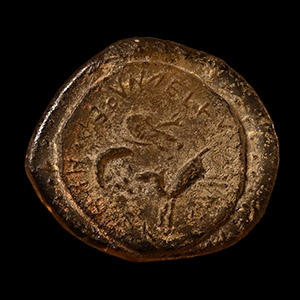
Amber-coloured glass disc with irregular flange, low-relief horse, human and crescent, retrograde Greek text. 5.4 grams, 30 mm
From the Robin Symes Gallery, stock number 91-321 on label, inventory number 185. -
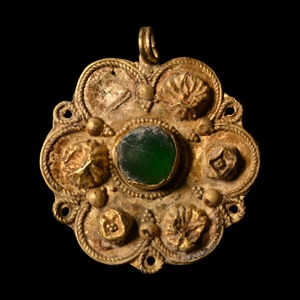
Large Roman Gold Pendant with Cabochon
Circa 4th century A.D.Sold for (Inc. bp): £364
With filigree borders, five fluted domes and central circular cell set with a green glass cabochon; suspension loop above. 4.66 grams, 35 mm
Acquired 1970-2010. From the collection of a late Japanese gentleman. -
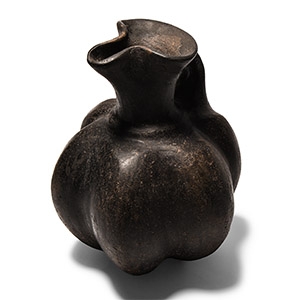
Late Roman Bucchero Jug
Circa 4th century A.D.Sold for (Inc. bp): £702
The ribbed body with gusseted strap handle and trefoil mouth. 428 grams, 15.5 cm high
with a London, UK gallery 1971-early 2000s.
