
Loading, please wait...
LOT 0104
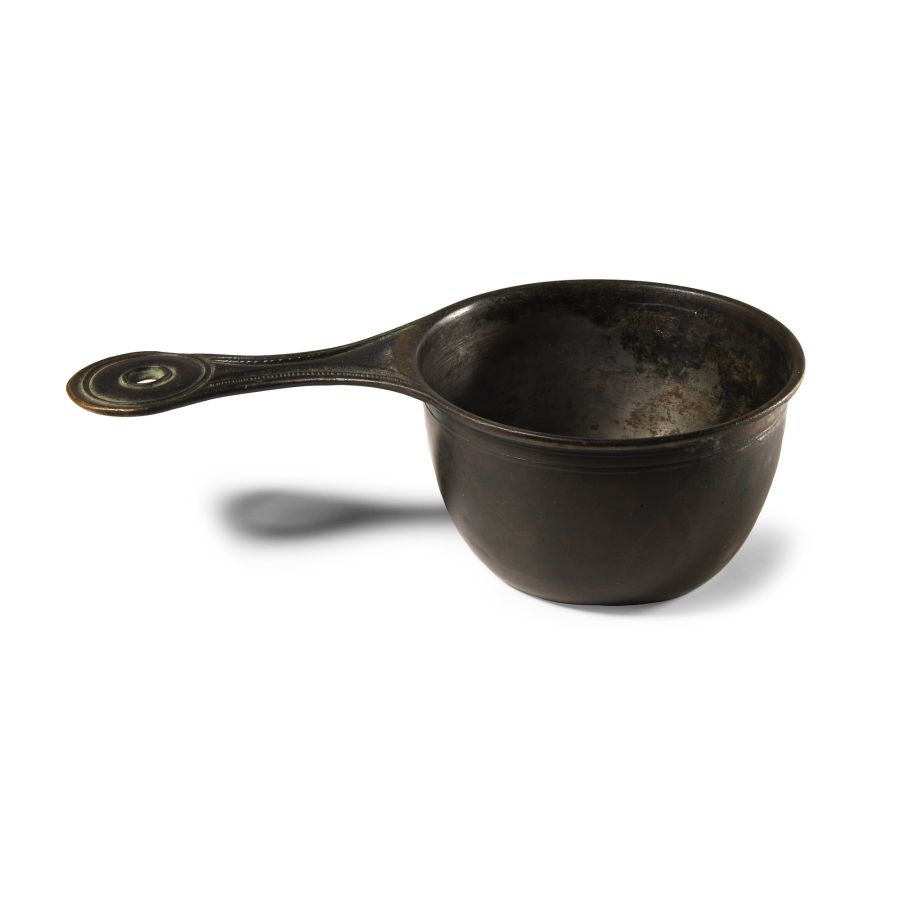
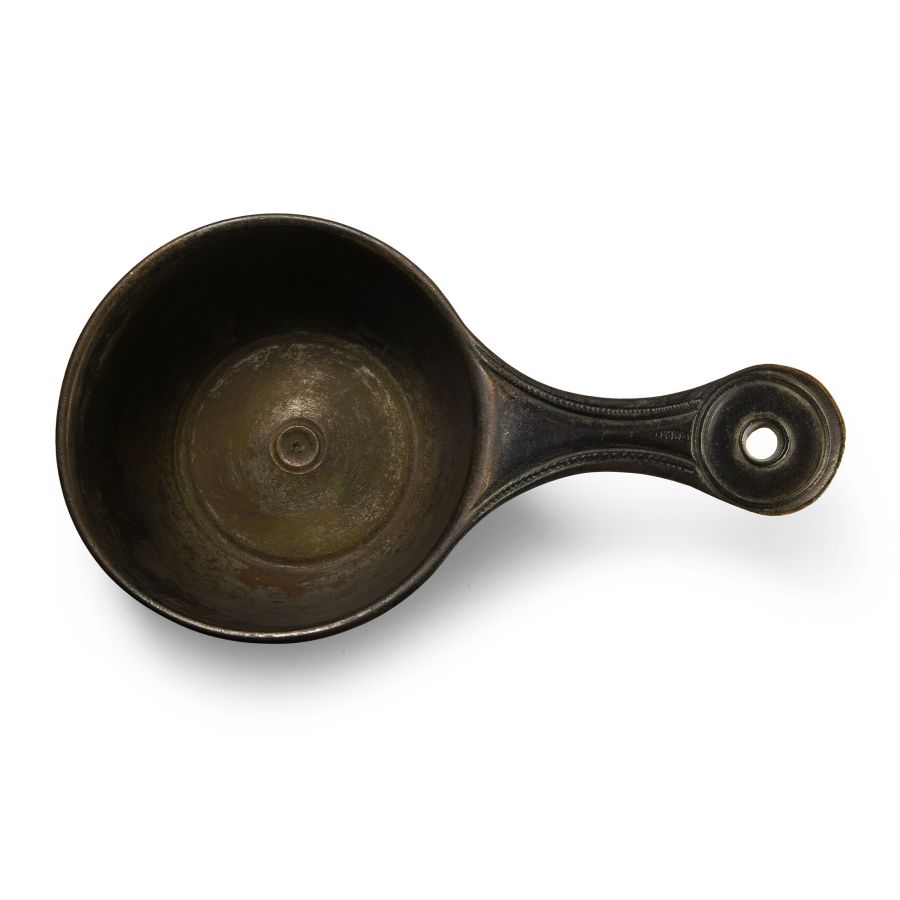
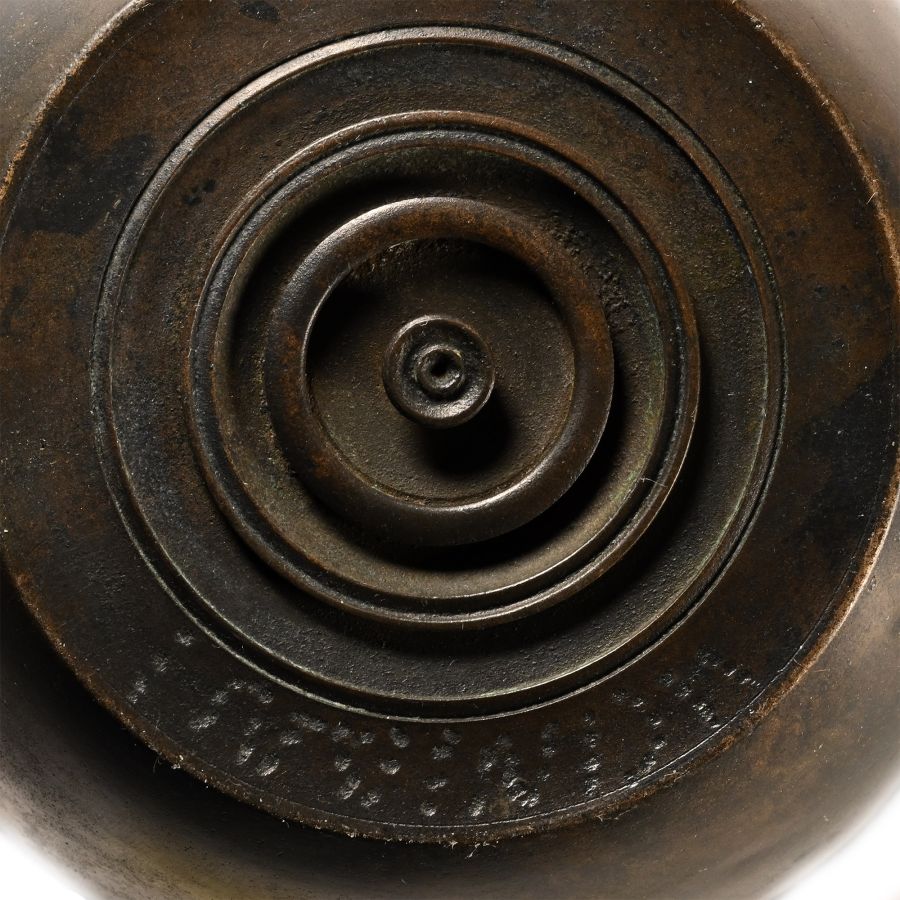
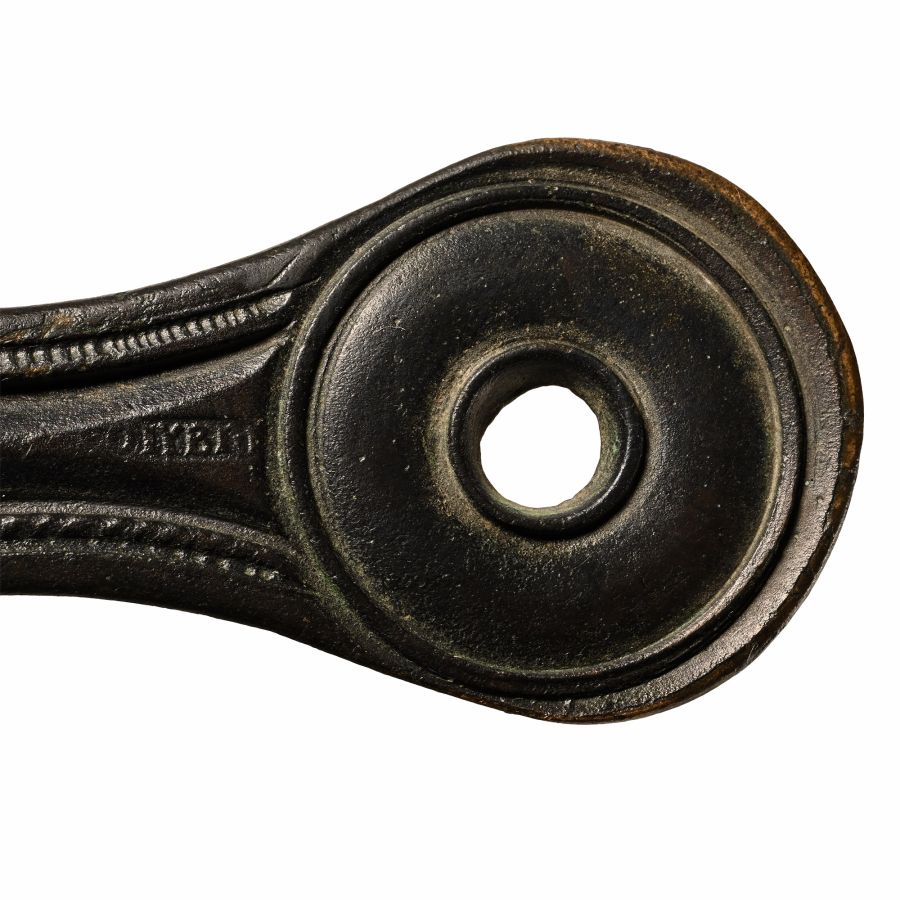
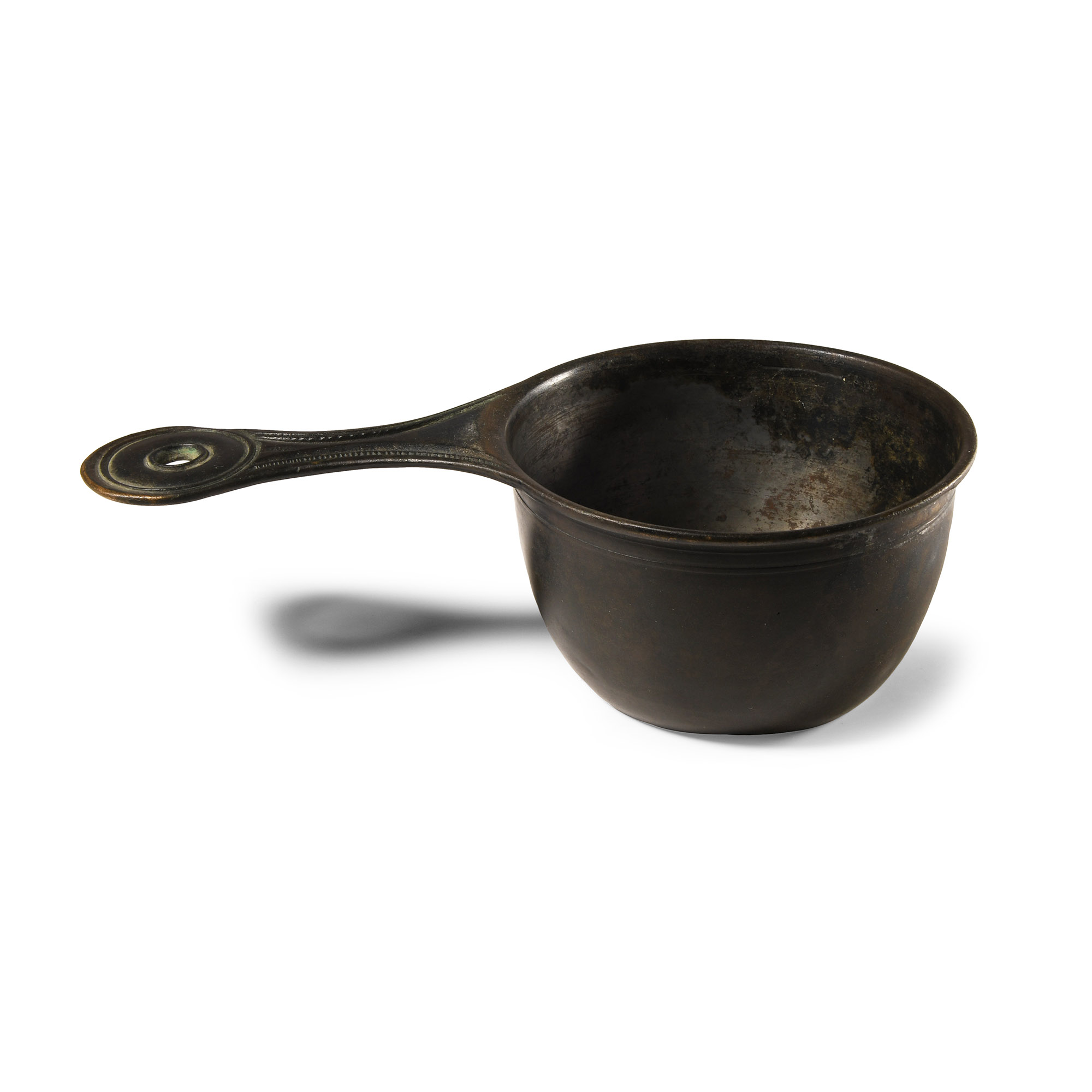
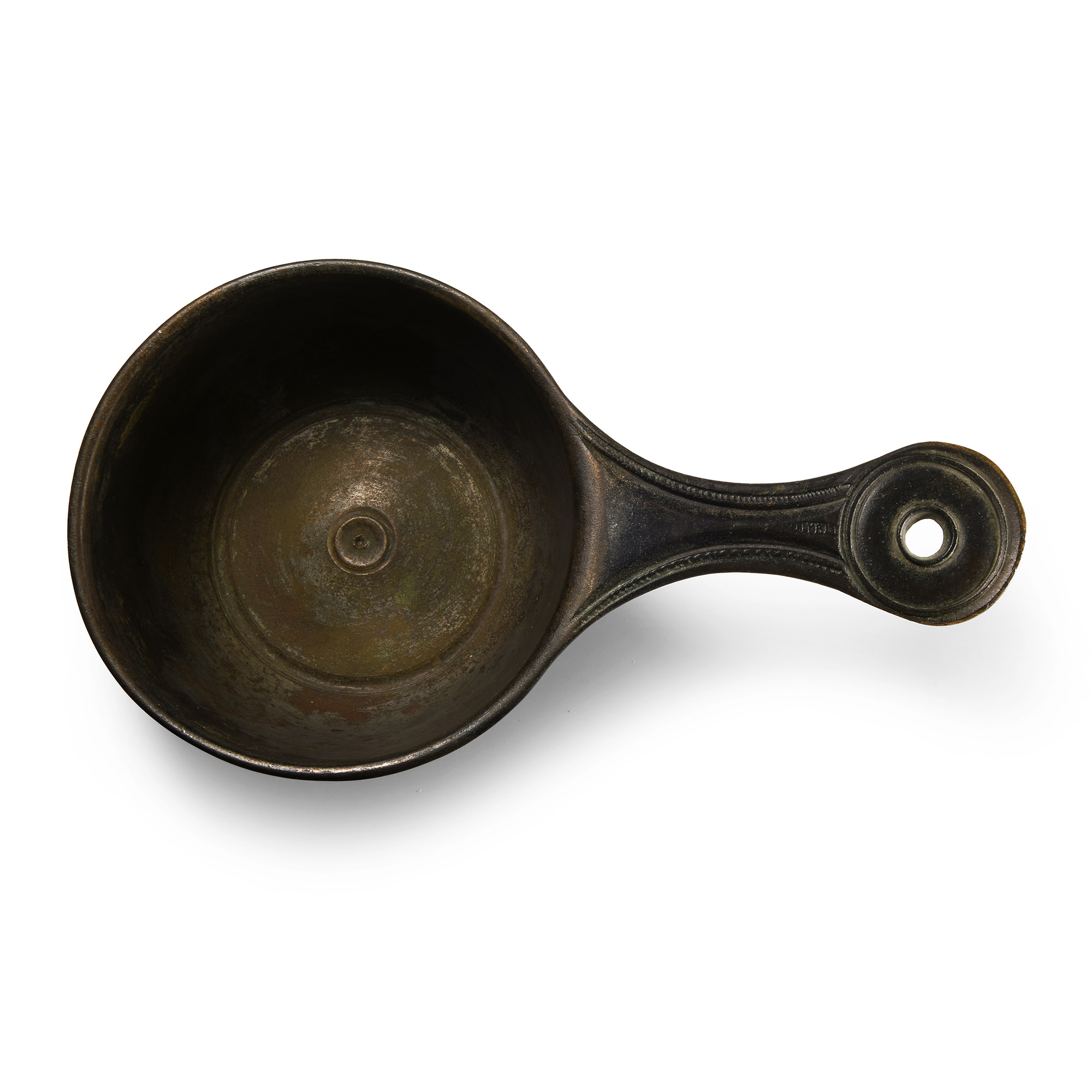
Roman Bronze Patera with Maker's Mark for Licinius
1ST-2ND CENTURY A.D.
7 3/4 in. (242 grams, 19.5 cm).
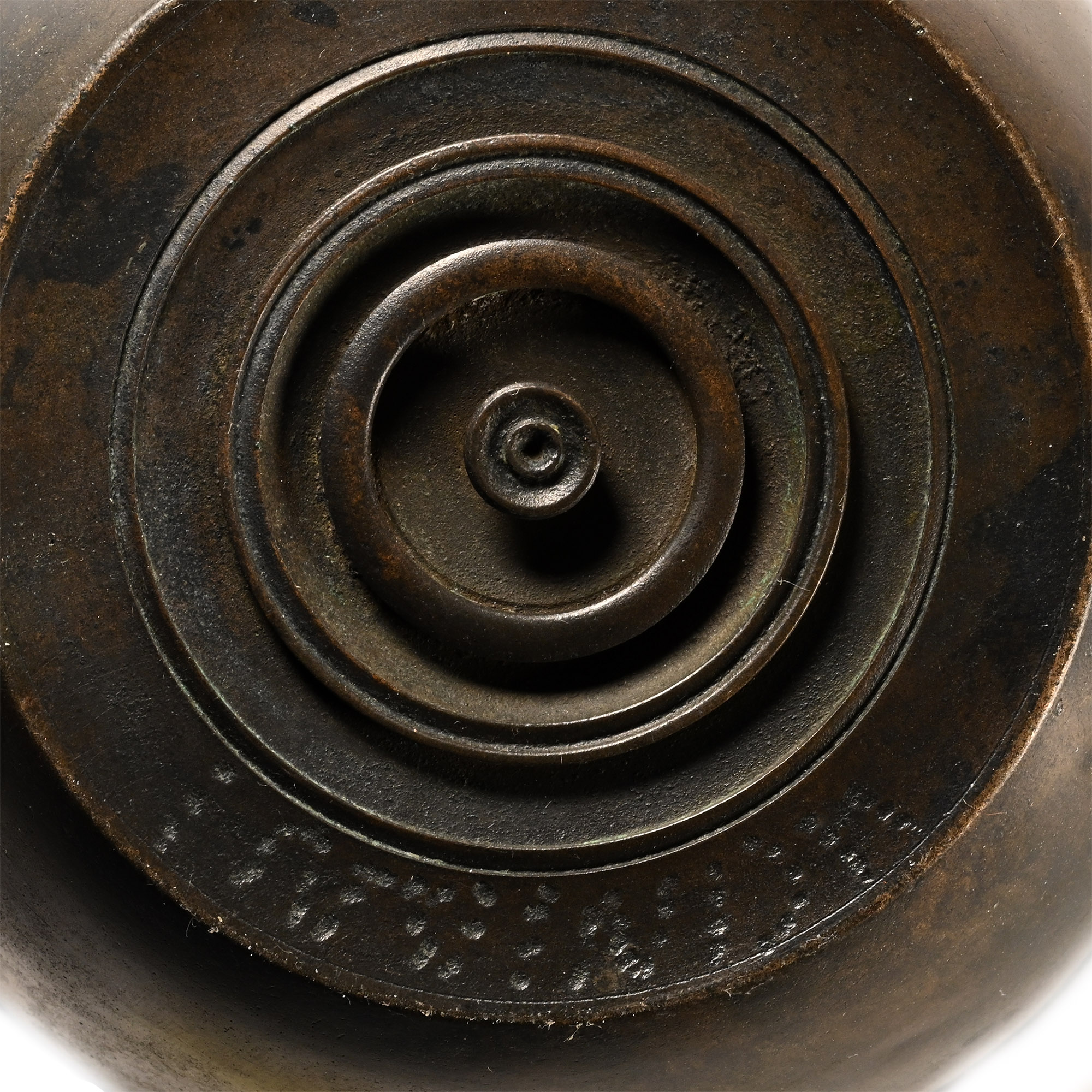
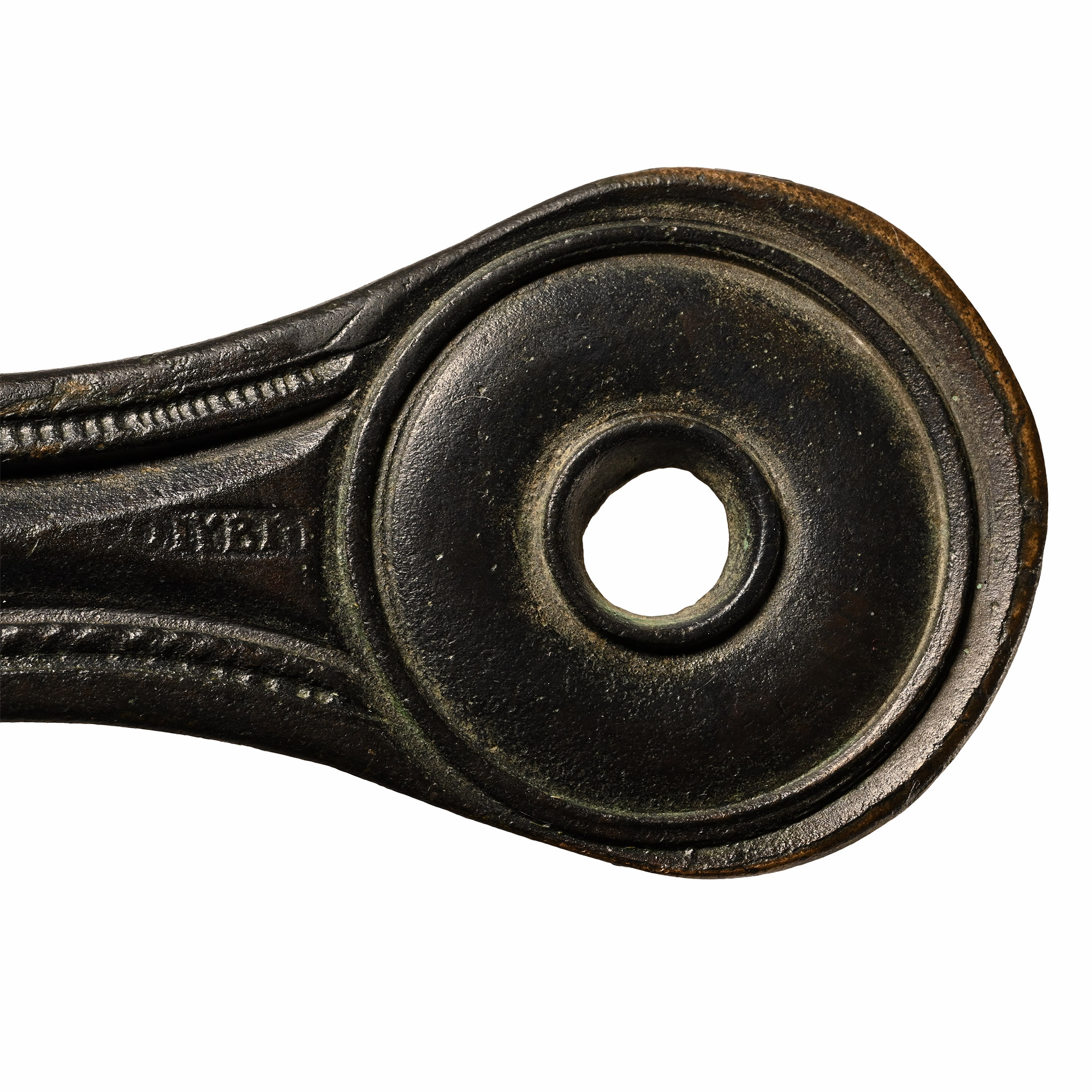
With drum-shaped bowl and thick rim developing to a short handle with pierced lobe finial; stamped to the upper face of the handle with maker's name '[.]OIYBI'; to the underside of the base, pointillé legend 'LICINI[...]V'.
ProvenanceAcquired from Munich and London, 1990s.
From the collection of a London, UK, gentleman.
Accompanied by an academic report by Dr Raffaele D’Amato.
This lot has been checked against the Interpol Database of stolen works of art and is accompanied by a search certificate number no.12064-217904.
Cf. Tassinari, S., La vaiselle de bronze, Romaine et Provinciale, au musée des antiquités nationales, Paris, 1975, figs.3,5,6,7,8,9, for similar vessels; Boucher, S. & Tassinari, S., Musée de la Civilisation Gallo-Romaine a Lyon: Bronzes Antiques I. Inscriptions, Statuaire, Vaisselle, Lyon, 1976, item 360, for type; Boucher, S. and Tassinari, S., Bronzes Antiques I, Inscriptions, Statuaire, Vaisselle, Paris, 1976, p.117, no.132, for similar; cf. also The British Museum's Portable Antiquities Scheme, record id. GLO-048BB1, for a very similar example and additional information; see also Nico, V., La tavola degli Antichi, Milano, 1989, for discussion on these vessels.
FootnotesThe owner of the patera seems to be a certain Licinius. In contrast to more elaborate counterparts, paterae such as this were likely carried as part of the standard kit of Roman soldiers, used as a general cooking and eating utensil.
CONDITIONTimeLine Auctions follows a vetting process to ensure the authenticity and legality of all items, reinforcing our commitment to integrity and responsible trading. Each antiquity, antique, and coin lot undergoes thorough examination by a vetting committee of at least ten external specialists, professional trade association members, scientists, and archaeologists: Our Vetting Process
AUCTIONS:
TimeLine is a leading auction house specialising in antiquities, ancient art, collectables, natural history, coins, medals, and books. Our auctions offer museums, collectors, historians, and enthusiasts the opportunity to acquire unique and historically significant pieces.
-
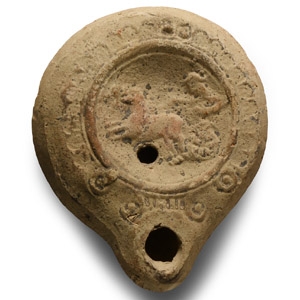
Roman Terracotta Oil Lamp with Charioteer
2nd century A.D.Sold for (Inc. bp): £104
Squat lamp with broad discus displaying stamped scrolls and leaf-motifs, central low-relief biga with traces of red pigment; stub nozzle. 45 grams, 82 mm
Acquired in the 1970s. From the private collection of a retired East Anglian teacher. -
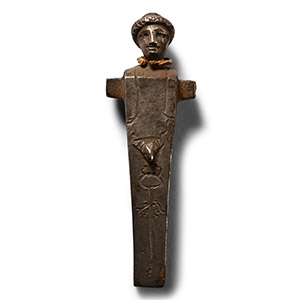
Roman Silver Miniature Herm
1st-3rd century A.D.Estimate: £2,500 - 3,500 (‡+bp*)
Opening Bid: £1,000
Comprising a square-section tapering body with lateral stub arms; head of Mercury (Greek Hermes) above with applied twisted gold collar, low-relief shoulder panels, genitals modelled in the round, low-relief horned figure below. 27 grams, 52 mm
Acquired in the mid 1980s-1990s. From the family collection of Mr S.A., Switzerland, thence by descent. Private collection since the late 1990s. This lot has been checked against the Interpol Database of stolen works of art and is accompanied by a search certificate number no.12103-218207.
This object, was likely votive and perhaps belonged to a small domestic altar of the Roman imperial era, reproduced in miniature size a Hermaic pillar. These were terminals made of stone or wood which were often placed on the roads, near crossings; they served to indicate the right path and therefore were supposed to protect travellers when traveling. In Roman times, these pillars were often topped with busts or portraits and were also found in the gardens of wealthy homes; gods (Hermes and Bacchus in particular) or philosophers were the subjects thus represented. -
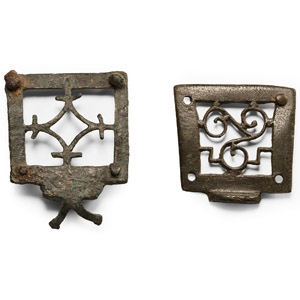
Roman Openwork Military Belt Mount Group
2nd century A.D.Sold for (Inc. bp): £98
Each with a trapezoidal frame and openwork design: one a coiled triskele, the other a lozenge with cruciform spurs; from a military belt. 13.2 grams total, 28-35 mm
Property of the vendor's grandfather, thence by family descent, circa 1985. From the private collection of a New York, USA gentleman
