
Loading, please wait...
LOT 0804
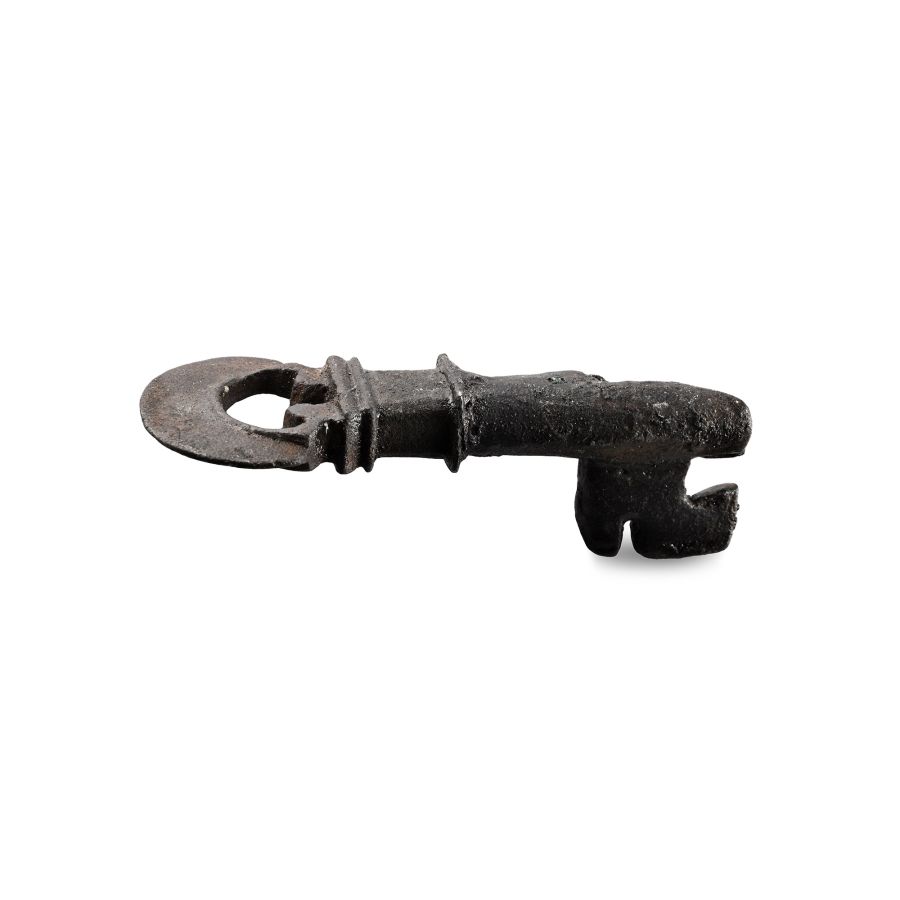
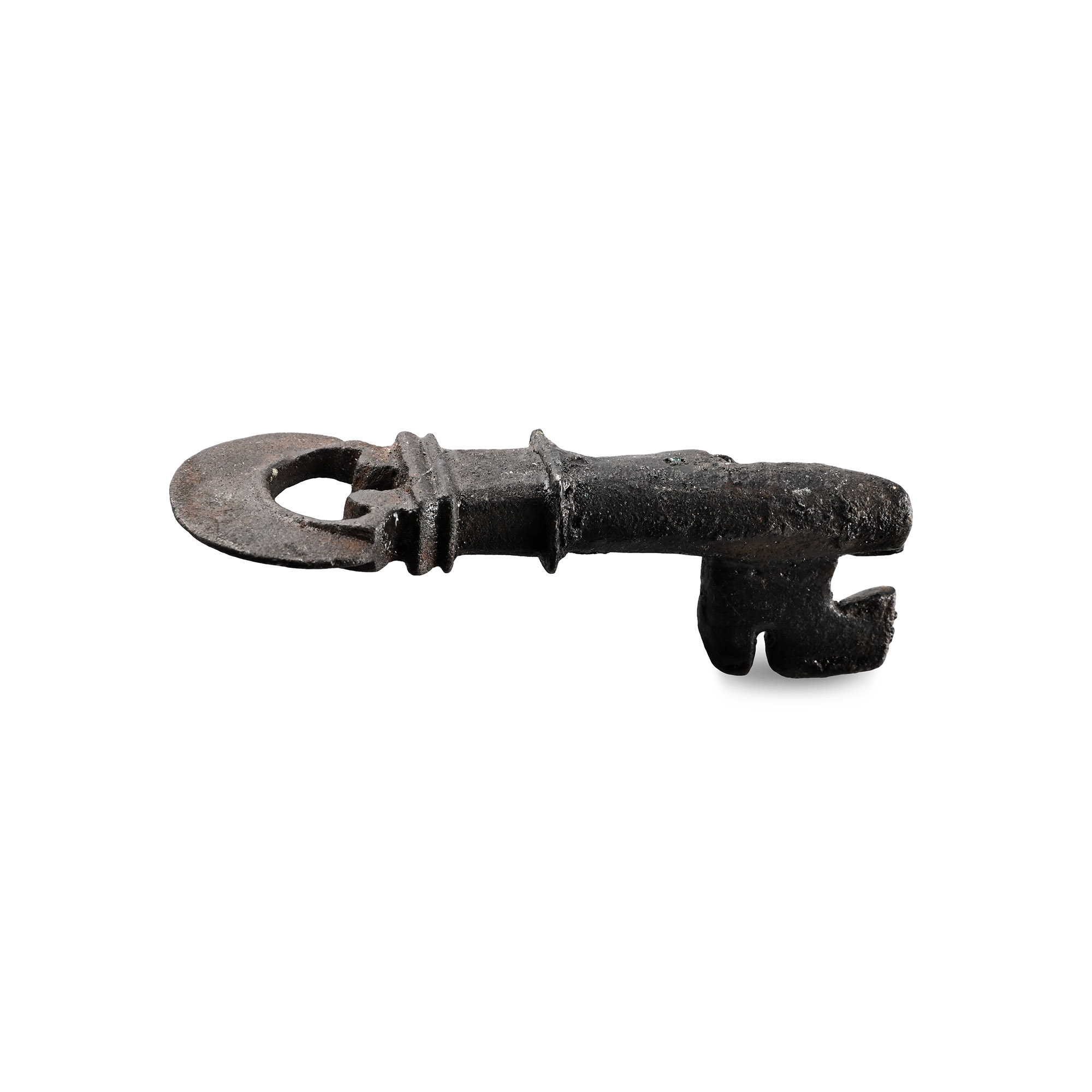
Roman Bronze Key
1ST-4TH CENTURY A.D.
2 7/8 in. (37 grams, 73 mm).
With tubular shank and rectangular-section neck, crescentic bow; repaired. [No Reserve]
ProvenanceFrom the collection of a Buckinghamshire, UK, collector established from the earlier 1960s.
CONDITIONTimeLine Auctions follows a vetting process to ensure the authenticity and legality of all items, reinforcing our commitment to integrity and responsible trading. Each antiquity, antique, and coin lot undergoes thorough examination by a vetting committee of at least ten external specialists, professional trade association members, scientists, and archaeologists: Our Vetting Process
AUCTIONS:
TimeLine is a leading auction house specialising in antiquities, ancient art, collectables, natural history, coins, medals, and books. Our auctions offer museums, collectors, historians, and enthusiasts the opportunity to acquire unique and historically significant pieces.
-
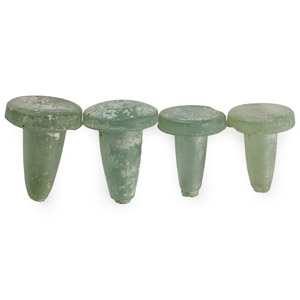
Roman Glass Bottle Stopper Collection
2nd-3rd century A.D.Sold for (Inc. bp): £98
Each an aqua glass disc with shallow depression, integral tapering shank. 68 grams total, 32.5-39 mm
with Archaeologia, Switzerland, before 1983. Ex private North American collection. London private collection, 2016. -
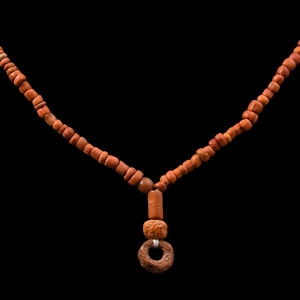
Roman Orange Glass Bead Necklace String
1st-4th century A.D. and laterSold for (Inc. bp): £65
Restrung group of oblate and other types with annular pendant centrepiece, including some carnelian. 9.14 grams, 39 cm
London, UK, collection, 2000s. -
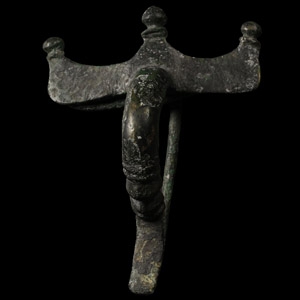
Roman Bronze Bow Brooch
2nd century A.D.Sold for (Inc. bp): £98
P-shaped bow brooch with three onion-shaped knops to the upper edge of the headplate, chord and pin to reverse, deep bow with ribbed section above junction with the rectangular foot; catch to reverse. 38.4 grams, 69 mm
Ex important German collection, 1990s. This lot is accompanied by an illustrated lot declaration signed by the Head of the Antiquities Department, Dr Raffaele D’Amato.
This type of fibula falls within the P-shaped bow brooch typology, a provincial form found in Britain, Pannonia, and the Balkan Peninsula. It is usually associated with men's costume.
