
Loading, please wait...
LOT 0683
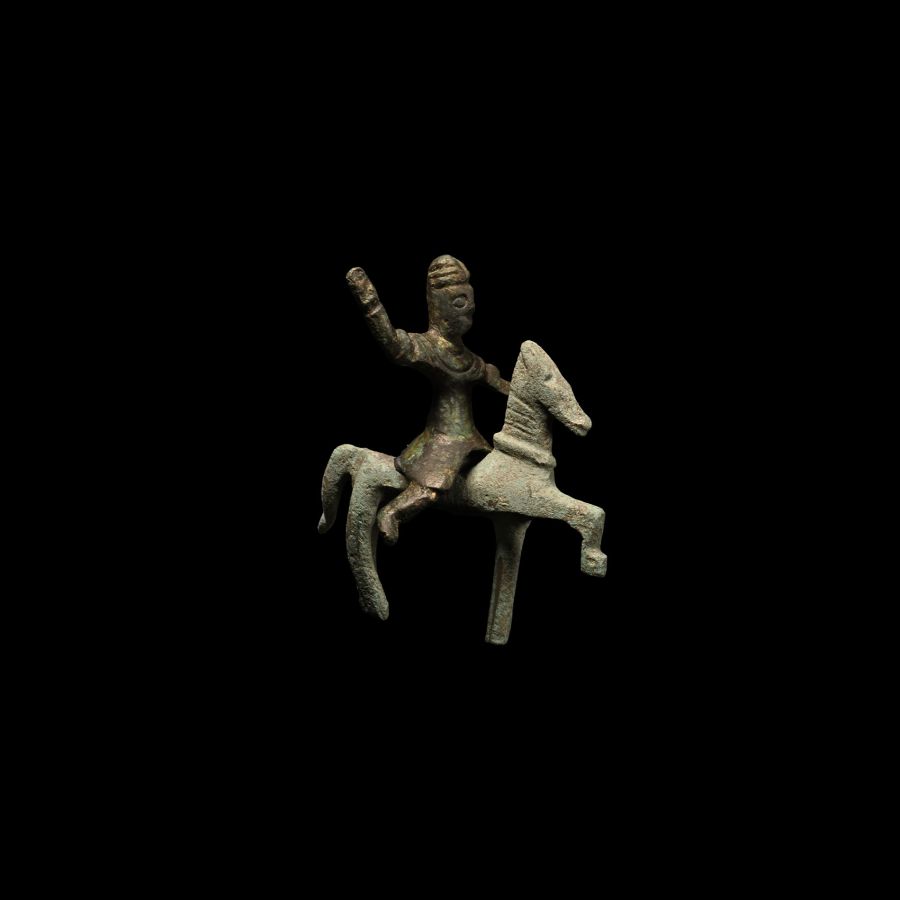
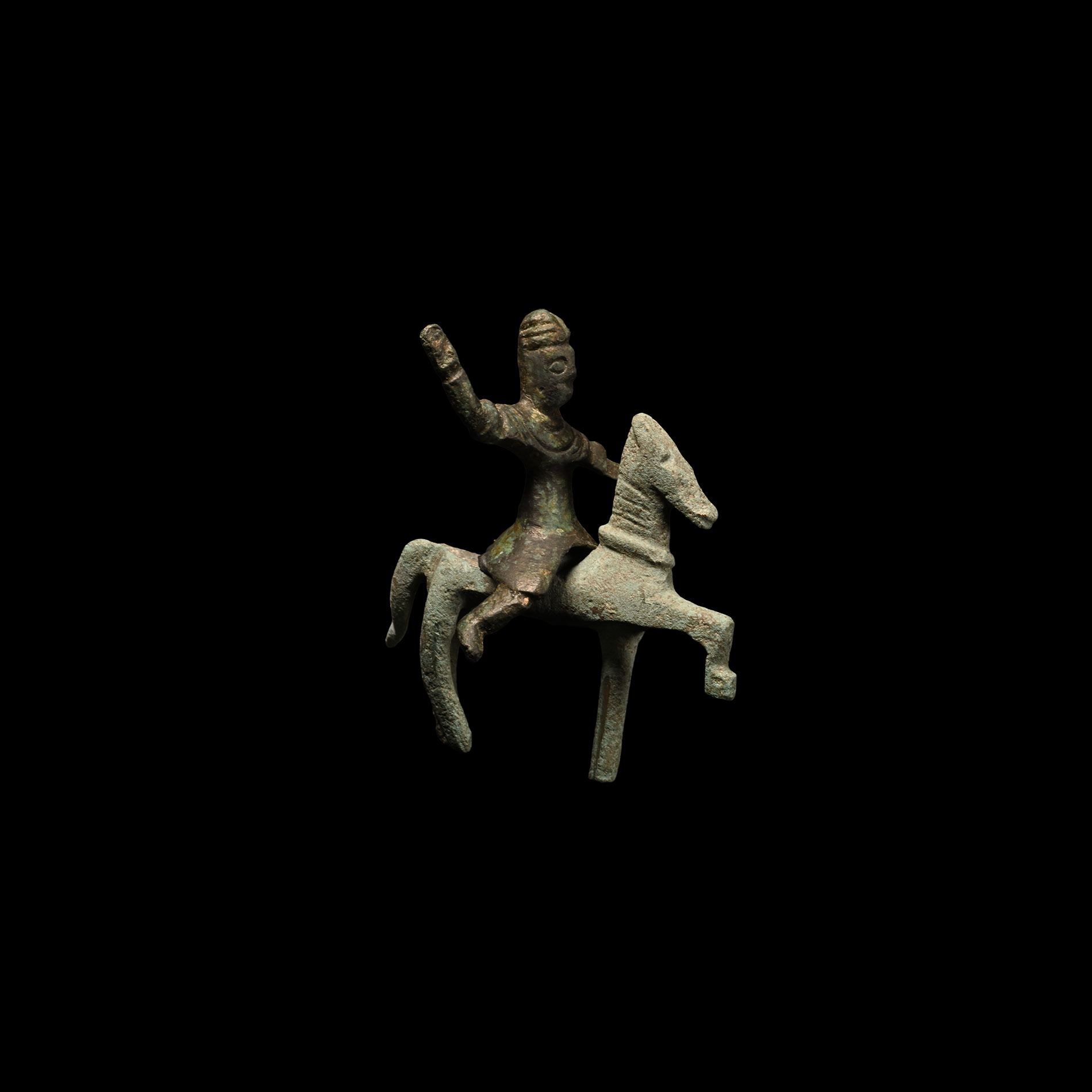
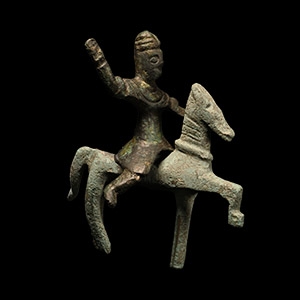
Roman Bronze Horse and Rider
3RD-4TH CENTURY A.D.
1 1/2 - 1 3/4 in. (35 grams total, 39-45 mm).
Each figure modelled separately in the round; the horse standing with one foreleg raised at a right angle, simple stylised head detailing; the rider modelled seated with one leg either side of the horse, one arm extended above the head, the other held forwards, stylised facial detailing. [2]
ProvenanceAcquired on the EU art market around 2000.
From the collection of North American gentleman.
TimeLine Auctions follows a vetting process to ensure the authenticity and legality of all items, reinforcing our commitment to integrity and responsible trading. Each antiquity, antique, and coin lot undergoes thorough examination by a vetting committee of at least ten external specialists, professional trade association members, scientists, and archaeologists: Our Vetting Process
AUCTIONS:
TimeLine is a leading auction house specialising in antiquities, ancient art, collectables, natural history, coins, medals, and books. Our auctions offer museums, collectors, historians, and enthusiasts the opportunity to acquire unique and historically significant pieces.
-
.jpg)
Roman Gemstone with Scorpion
2nd-4th century A.D. or laterEstimate: £150 - 200 (+bp*)
Opening Bid: £75
Composed of an oval-shaped body, possibly sodalite, displaying an intaglio scorpion; accompanied by a museum-quality impression. 0.82 grams, 15 mm
Acquired on the European art market in the late 1960s-early 1970s. -
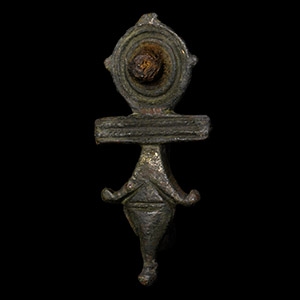
Roman Bronze Plate Brooch
Circa 2nd century A.D.Sold for (Inc. bp): £59
Complete with pin and catchplate to reverse; geometric composition comprising a discoid head over a rectangular bar with lobed trefoil below. 5.9 grams, 47 mm
Acquired from York Antiques Centre. Accompanied by a certificate of authenticity signed by Gary Edwards. -
Roman Bronze Horse and Rider
3rd-4th century A.D.Sold for (Inc. bp): £176
Each figure modelled separately in the round; the horse standing with one foreleg raised at a right angle, simple stylised head detailing; the rider modelled seated with one leg either side of the horse, one arm extended above the head, the other held forwards, stylised facial detailing. 35 grams total, 39-45 mm
Acquired on the EU art market around 2000. From the collection of North American gentleman.
