
Loading, please wait...
LOT 0572
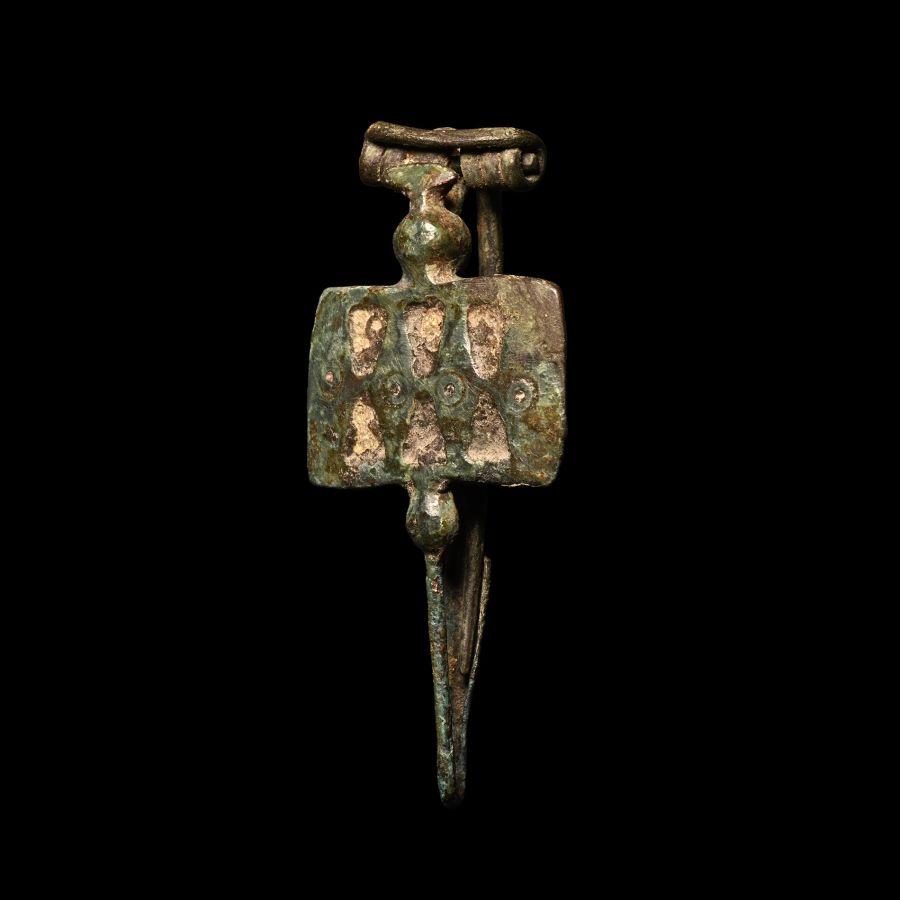
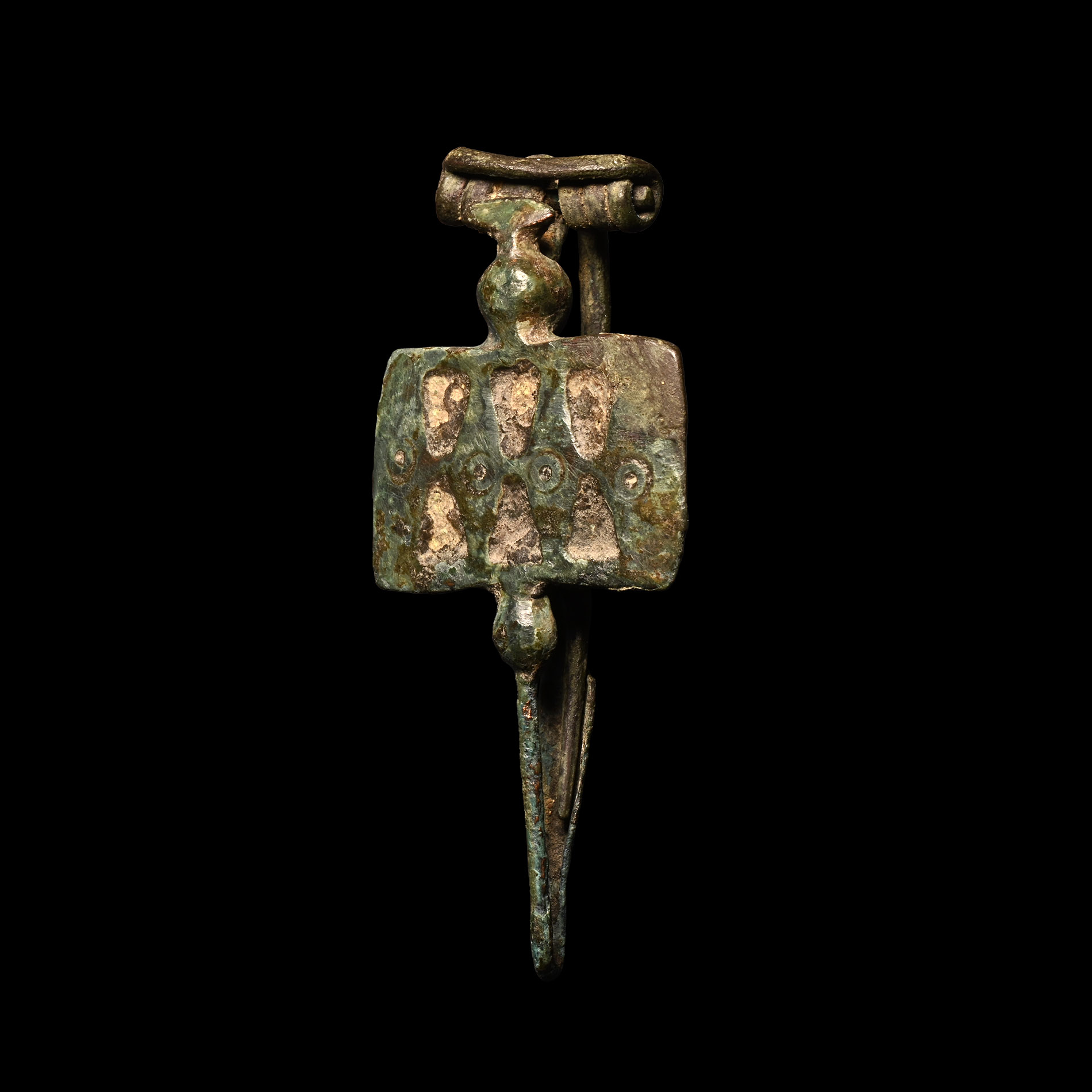
Roman Bronze Hod Hill Type Brooch
1ST CENTURY A.D.
2 in. (6.56 grams, 50 mm).
Of unusual style, similar to the Hod Hill type with a rectangular plate, two bulbs above and below, integral spring and pin to the reverse; below the plate a fine extension returned beneath to form the catchplate. [No Reserve]
ProvenanceAcquired 1970s-1980s.
From a London brooch collector.
TimeLine Auctions follows a vetting process to ensure the authenticity and legality of all items, reinforcing our commitment to integrity and responsible trading. Each antiquity, antique, and coin lot undergoes thorough examination by a vetting committee of at least ten external specialists, professional trade association members, scientists, and archaeologists: Our Vetting Process
AUCTIONS:
TimeLine is a leading auction house specialising in antiquities, ancient art, collectables, natural history, coins, medals, and books. Our auctions offer museums, collectors, historians, and enthusiasts the opportunity to acquire unique and historically significant pieces.
-
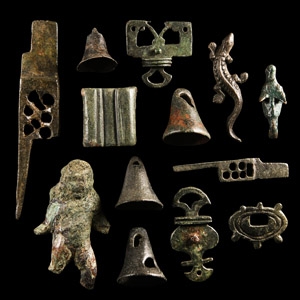
Bronze Age to Medieval Bronze Artefact Group
1st-19th century A.D.Sold for (Inc. bp): £124
Comprising: lock bolts; human and animal figures; bells; decorative fittings and other items. 150 grams total, 16-81 mm
Acquired on the German art market around 2000. From the collection of a Surrey, UK, gentleman. -
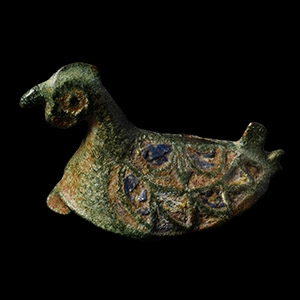
Romano-British Enamelled Bronze Hen Brooch
2nd century A.D.Sold for (Inc. bp): £85
Modelled in the half-round with stylised eye and feather detailing, remains of polychrome enamelling; partial remains of pin lug and catchplate. 7.5 grams, 35 mm
Found South Humberside in the 1970s. Acquired before 2000. Ex private collection, Hertfordshire, UK. -
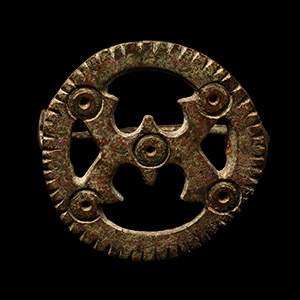
Roman Bronze Plate Brooch
2nd century A.D.Sold for (Inc. bp): £91
With openwork design enclosed in a notched roundel, addorsed c-shaped central spokes and punched ring-and-dot motifs; hinged pin and catchplate to the reverse; complete. 14.8 grams, 37 mm
Acquired 1970s-1980s. From a London brooch collector, UK.
