
Loading, please wait...
LOT 0718
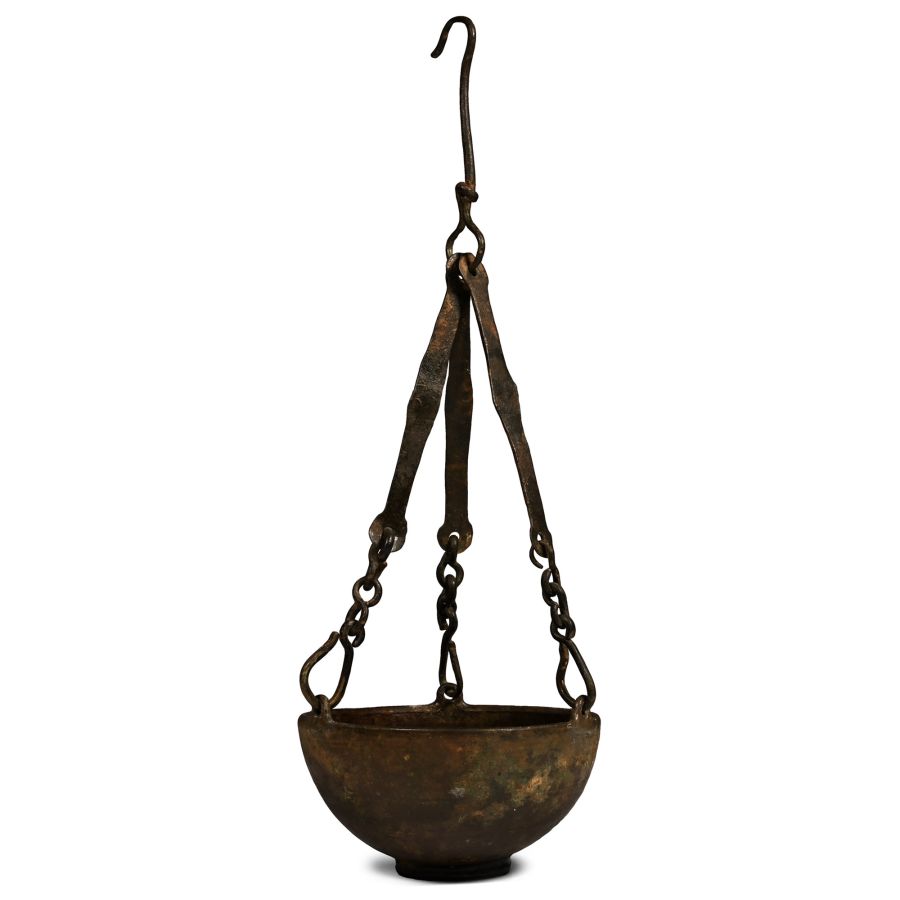
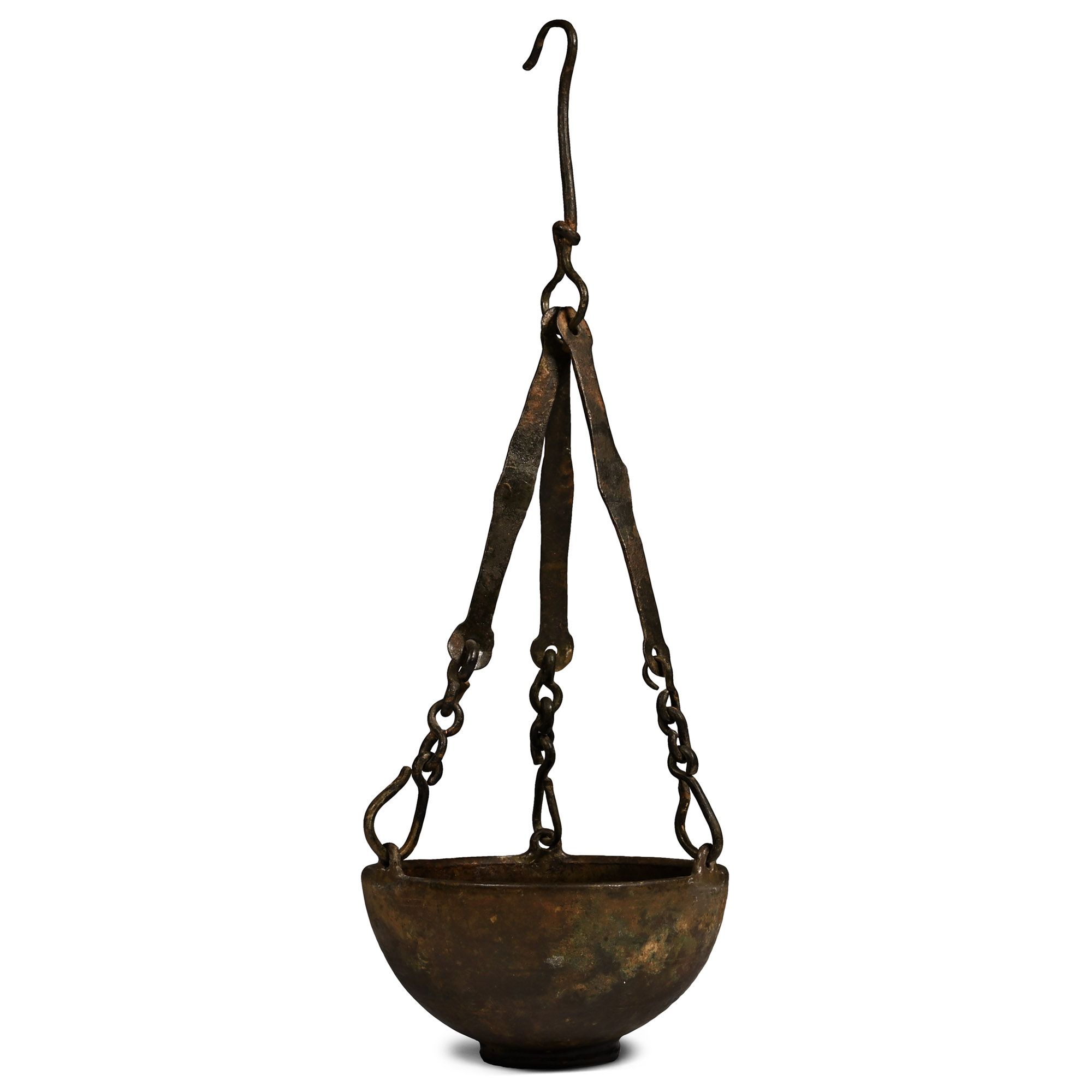
Roman Bronze Hanging Cooking Vessel with Chain
1ST-4TH CENTURY A.D.
14 in. (713 grams, 35.5 cm).
Hemispherical bowl with basal ring, three pierced lugs to the rim, three short lengths of chain each with a flat-section bar and suspension hook.
ProvenanceEx Audrey Davies, 1960s-1970s.
Acquired by the current owner from the above.
This lot is accompanied by an illustrated lot declaration signed by the Head of the Antiquities Department, Dr Raffaele D'Amato.
TimeLine Auctions follows a vetting process to ensure the authenticity and legality of all items, reinforcing our commitment to integrity and responsible trading. Each antiquity, antique, and coin lot undergoes thorough examination by a vetting committee of at least ten external specialists, professional trade association members, scientists, and archaeologists: Our Vetting Process
AUCTIONS:
TimeLine is a leading auction house specialising in antiquities, ancient art, collectables, natural history, coins, medals, and books. Our auctions offer museums, collectors, historians, and enthusiasts the opportunity to acquire unique and historically significant pieces.
-
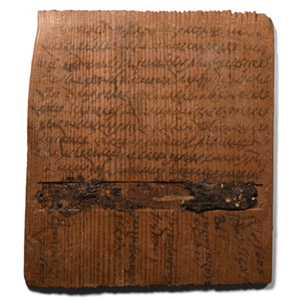
Dated Roman Inked Reused Wooden Wax Tablet by Julius Maianus
328 A.D.Sold for (Inc. bp): £8,775
Well preserved rectangular, probably cedarwood tablet with a groove (sulcus) and inked text to one face, two small holes and remains of wax within the sulcus; five personal signatures of witnesses above the sulcus, the text of the document starts with the date: in the year after the consulate of Flavius Constantius and Valerius Maximus (= AD 328), the following text regards testaments kept by Julius Maianus who is called depositarius, in the following lines the textual style is very short and several times verbs seem to be missing, therefore, the document probably was some kind of report or protocol, we are lacking parallels of similar documents, which makes this tablet unique and important. 32 grams, 14.5 x 13 cm
Acquired by Albert Sfez in the early 1950s. Formerly the property of Monsieur Alain Sfez, a Belgium collector; acquired by gift from his father Albert Sfez, in 1965. Acquired by a London dealer in 1973. From an important London collection since 1975; thence by descent. Accompanied by a copy of a four page illustrated academic report by Professor Dr. phil. Peter Rothenhöfer. This lot has been checked against the Interpol Database of stolen works of art and is accompanied by a search certificate number no.12672-230807. This lot has been cleared against the Art Loss Register database, and is accompanied by an illustrated lot declaration signed by the Head of the Antiquities Department, Dr Raffaele D'Amato. -
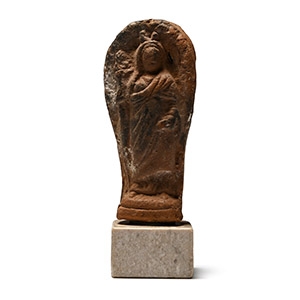
Roman Terracotta Figure of Isis
1st-2nd century A.D.Sold for (Inc. bp): £169
Hollow-formed piriform moulded figurine with standing female modelled in the half-round wearing a draped stola covering her head and gathered in her left hand, tiered base and decorative arched frame; mounted on a custom-made stand. 56.6 grams total, 82 mm including stand
From the collection of a gentleman, acquired on the London art market in the 1990s. This lot is accompanied by an illustrated lot declaration signed by the Head of the Antiquities Department, Dr Raffaele D'Amato. -
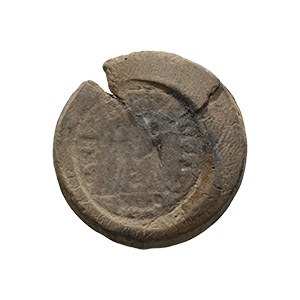
Roman Diocletian Terracotta Forger's Coin Mould
Circa late 3rd century A.D.Sold for (Inc. bp): £46
Terracotta disc with possibly Diocletian (284-305 A.D.) coin impression to each face from which to cast counterfeit coins; chipped. 4.59 grams, 28 mm
From the collection of a gentleman, acquired on the London art market in the 1990s. This lot is accompanied by an illustrated lot declaration signed by the Head of the Antiquities Department, Dr Raffaele D'Amato.
