
Loading, please wait...
LOT 0141
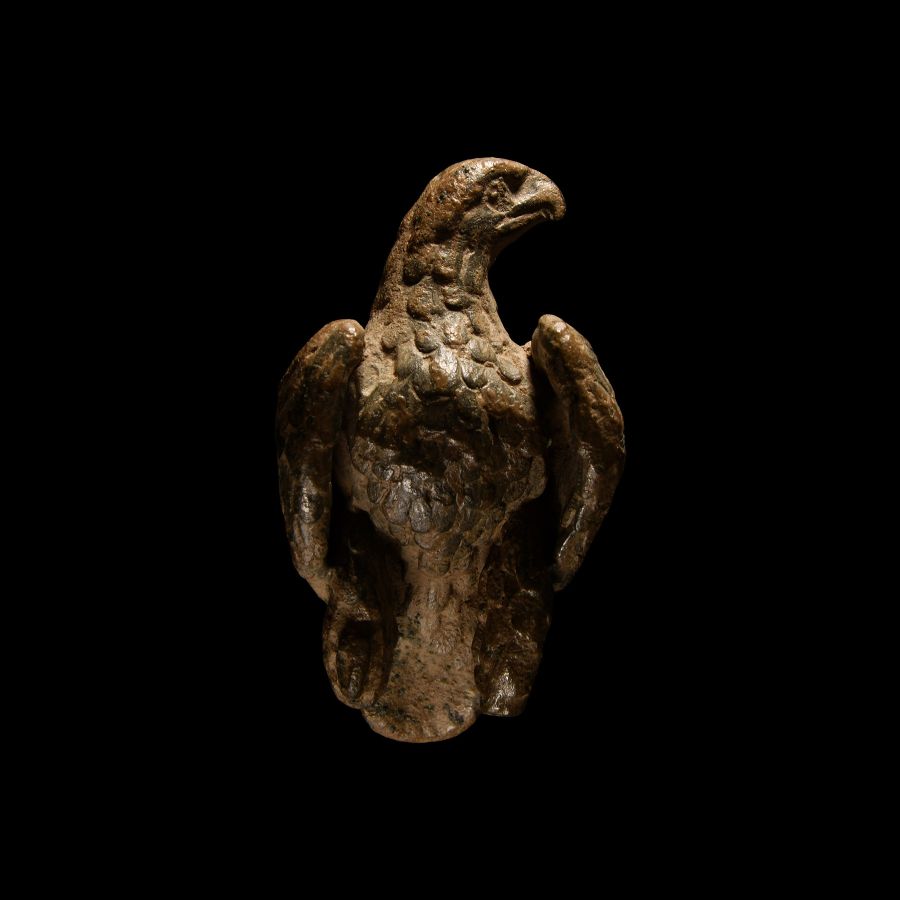
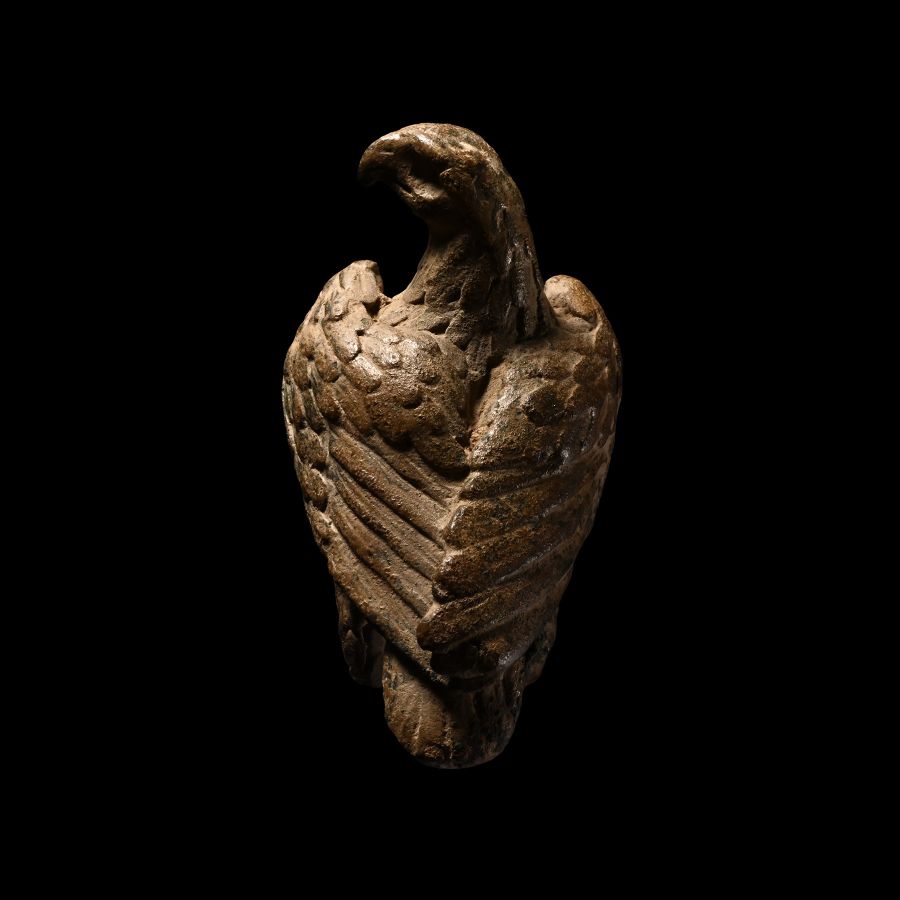
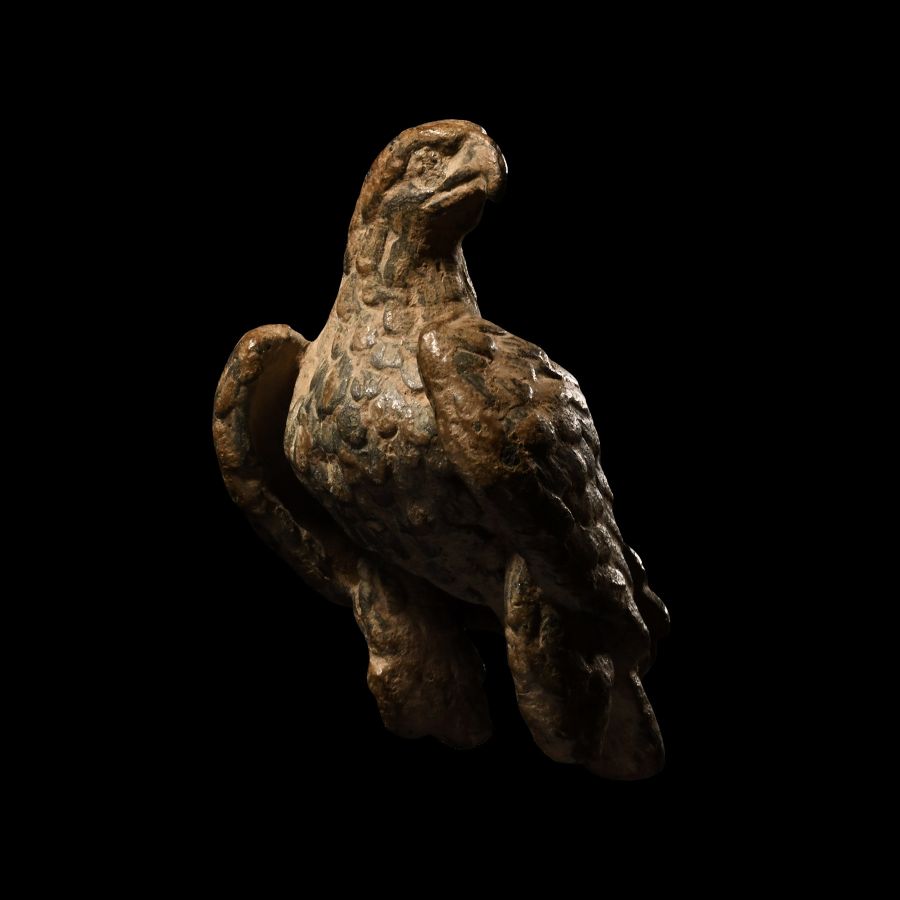
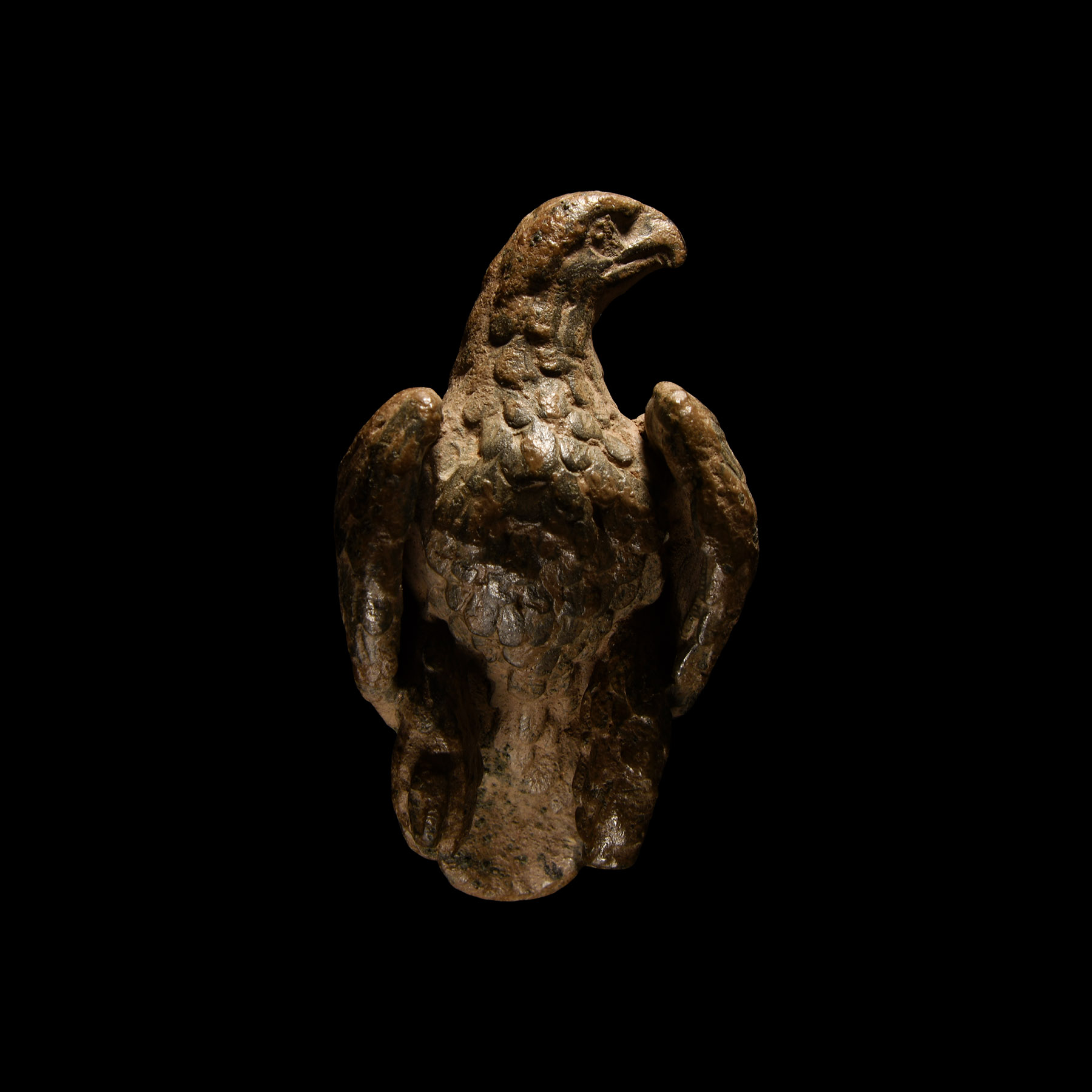
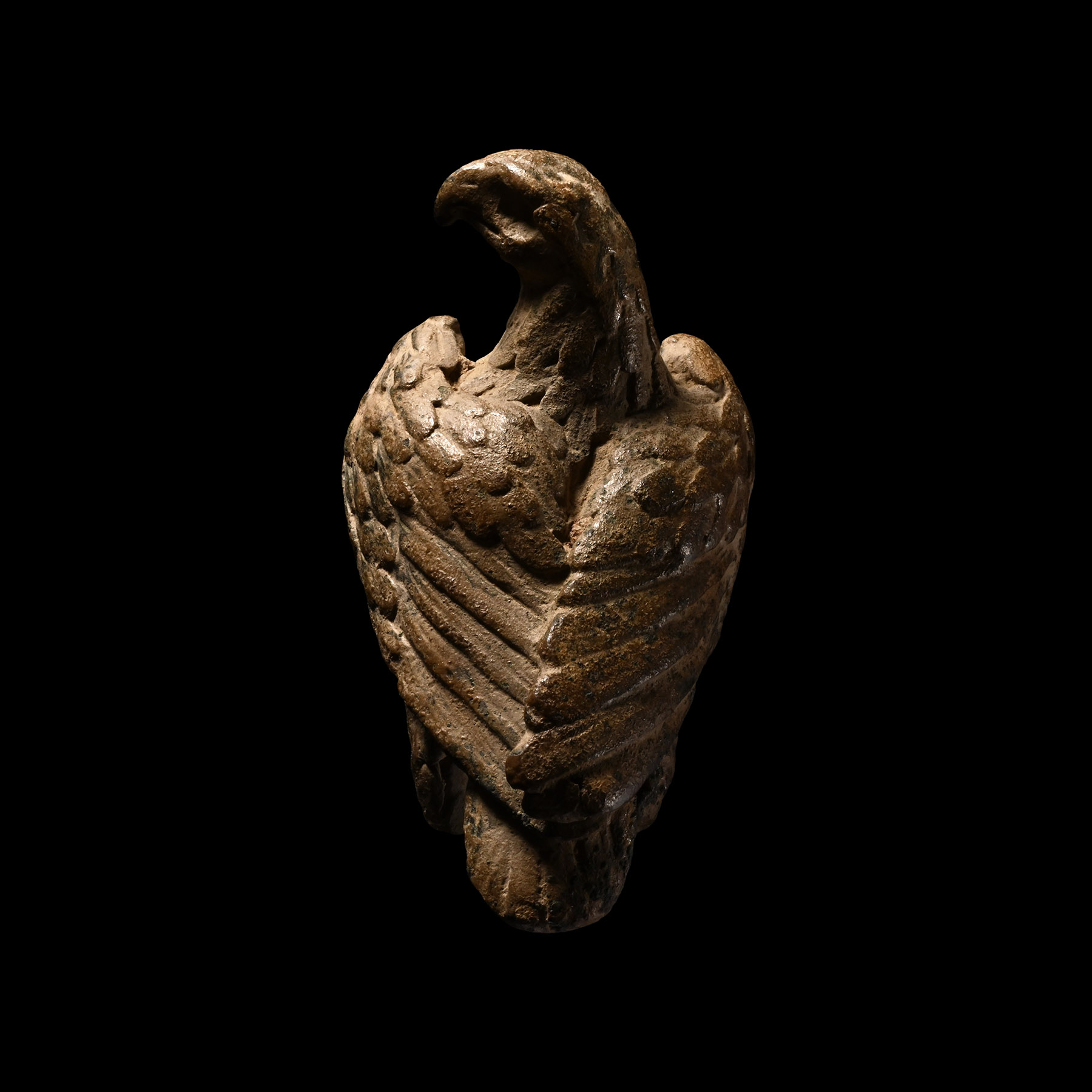
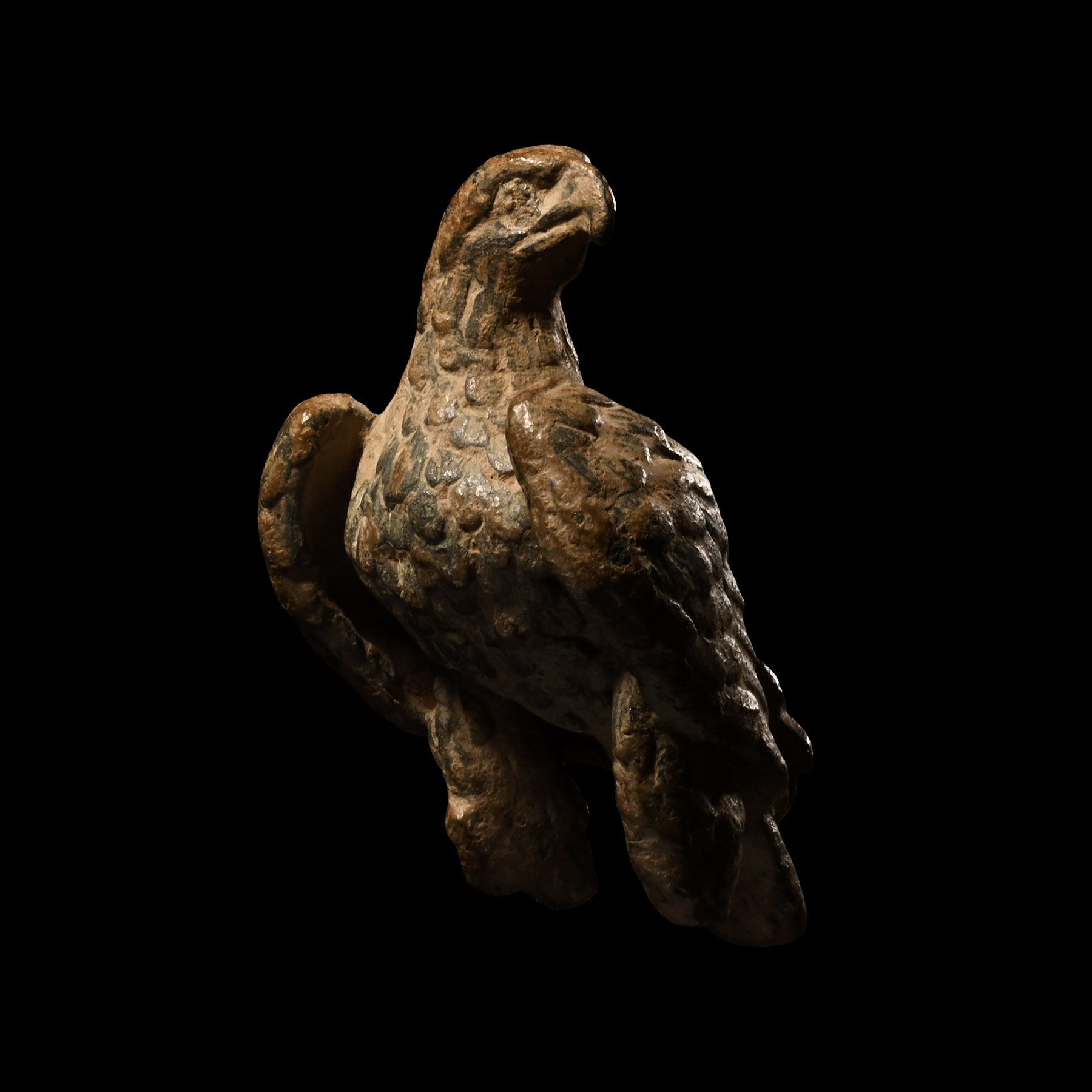
Roman Bronze Figure of a Military Eagle
CIRCA 2ND CENTURY A.D.
2 3/8 in. (111 grams, 62 mm).
Naturalistically modelled in the round, standing with wings folded against the body, head turned left, feather detailing and recessed circular eyes; feet absent.
ProvenanceAcquired in Europe before 2001.
This lot has been checked against the Interpol Database of stolen works of art and is accompanied by search certificate number no.11857-206794.
TimeLine Auctions follows a vetting process to ensure the authenticity and legality of all items, reinforcing our commitment to integrity and responsible trading. Each antiquity, antique, and coin lot undergoes thorough examination by a vetting committee of at least ten external specialists, professional trade association members, scientists, and archaeologists: Our Vetting Process
AUCTIONS:
TimeLine is a leading auction house specialising in antiquities, ancient art, collectables, natural history, coins, medals, and books. Our auctions offer museums, collectors, historians, and enthusiasts the opportunity to acquire unique and historically significant pieces.
LOT 0141
Roman Bronze Figure of a Military Eagle
Estimate £3,000 - 4,000€3,480 - 4,640 (for guidance only)$4,050 - 5,400 (for guidance only)
-
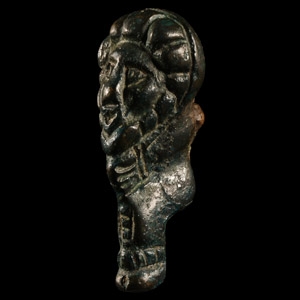
Roman Bronze Germanic Bound Captive Mount
Late 2nd century A.D.Sold for (Inc. bp): £416
Depicted as a bearded man, seated and naked apart from a hood or cap on his head, with rope binding the hands together and extending around the neck and ankles; ferrous stud to the back for attachment. 24.3 grams, 37 mm
From a collection acquired on the UK art market from various auction houses and collections mostly before 2000. From an important Cambridgeshire estate; thence by descent.
Statuettes of barbarian prisoners of this type have been found especially along the Danube limes. Some have a vertical and others horizontal position, and were used as horse harnesses or parts of horse's bits. Their diffusion coincides with the Marcomannic wars of the Emperor Marcus Aurelius. -
.jpg)
Romano-British Bronze Oil Lamp
Circa 1st century A.D.Sold for (Inc. bp): £1,105
Hollow-formed piriform lamp with D-shaped nozzle and small spout, recessed upper face with three piercings, swept handle formed as the neck of a goose with floral lobes and raised linear detailing. 896 grams, 20.5 cm
Found Bath, UK. From a collection acquired on the UK art market from various auction houses and collections mostly before 2000. From an important Cambridgeshire estate; thence by descent. -
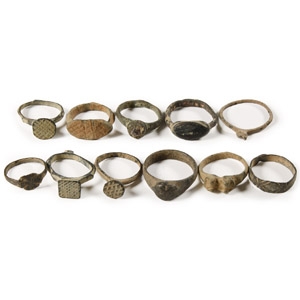
Roman and Byzantine Bronze Ring Group
Circa 3rd-16th century A.D.Sold for (Inc. bp): £111
Including trumpet-bezel, square bezel, ellipsoid bezel and other types. 25 grams total, 15-24 mm
Ex C. Sullivan collection, UK, 1990s.
