
Loading, please wait...
LOT 0825
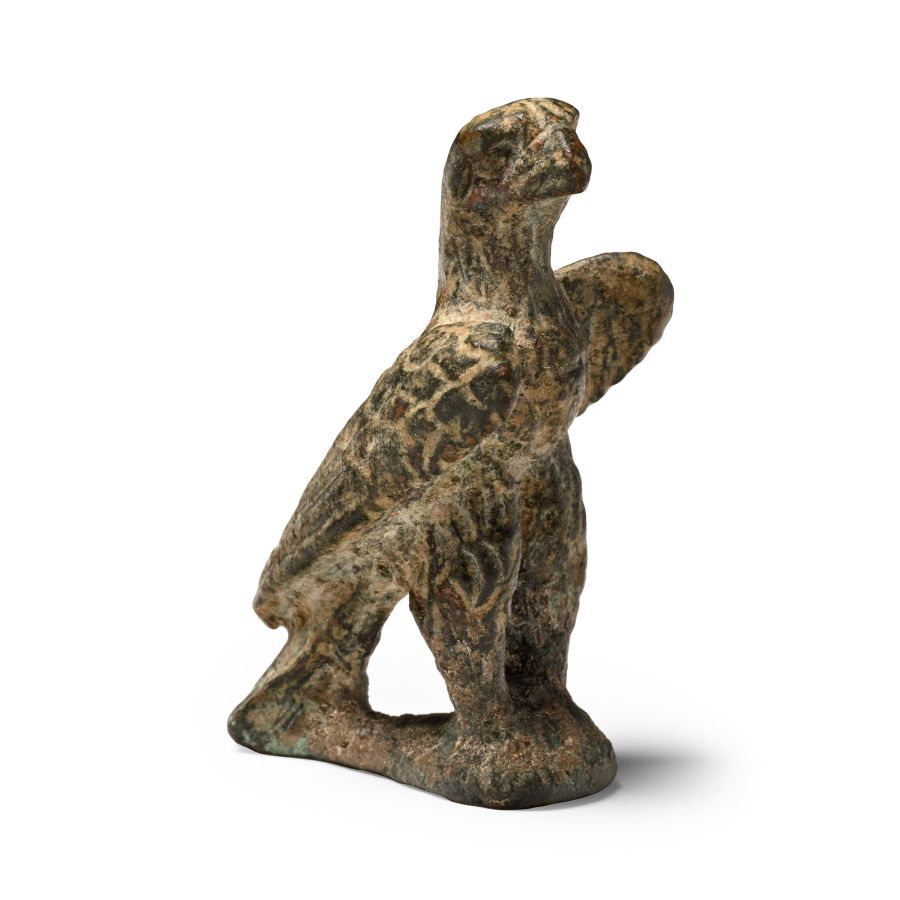
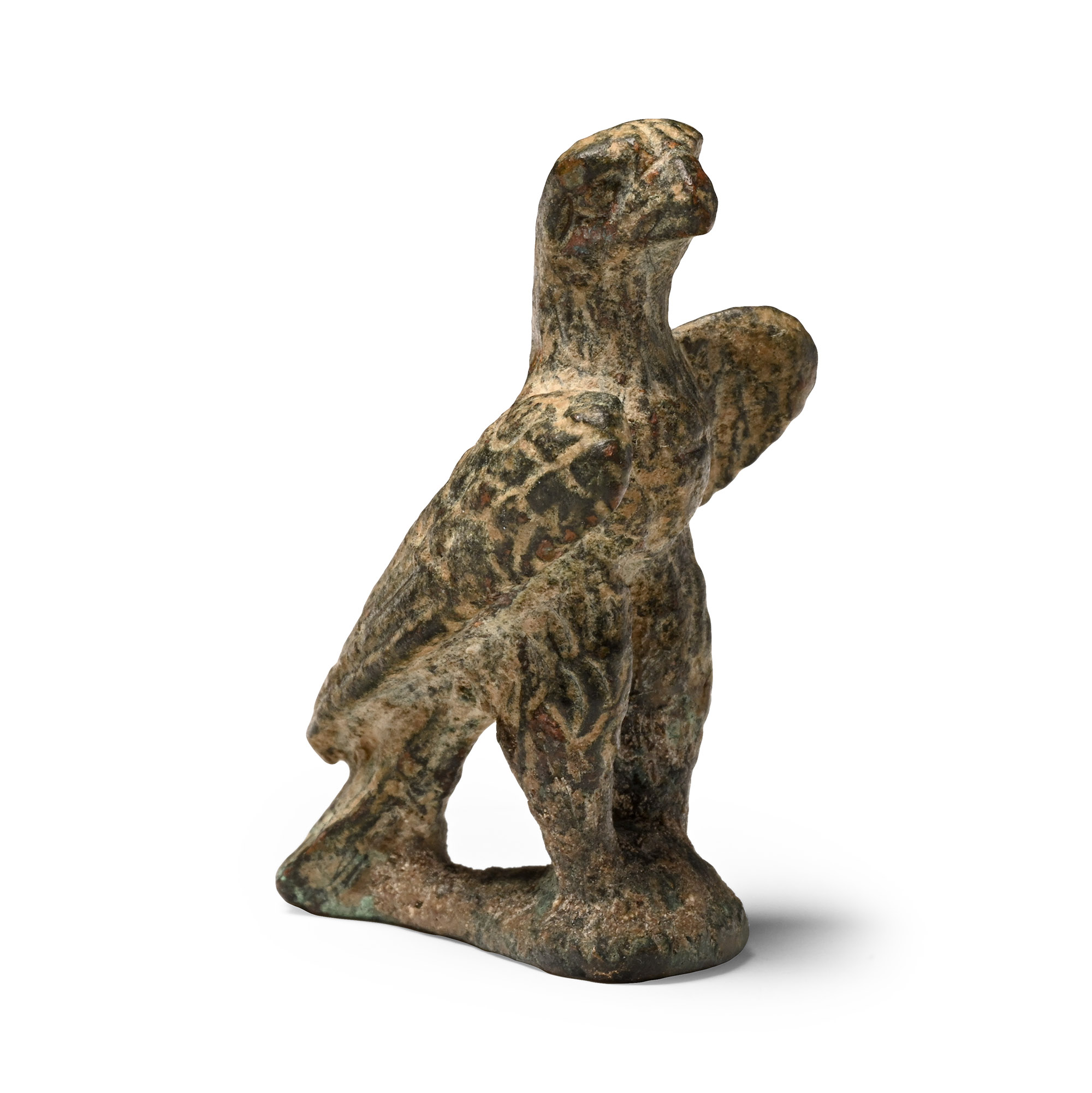
Roman Bronze Eagle Statuette
CIRCA 1ST-2ND CENTURY A.D.
1 3/4 in. (43.8 grams, 45 mm).
Depicted standing with wings slightly spread, head turned to the right, incised feather detailing on the body and wings. [No Reserve]
ProvenanceFrom a private Tyneside collection, formed since the early 2000s.
CONDITIONTimeLine Auctions follows a vetting process to ensure the authenticity and legality of all items, reinforcing our commitment to integrity and responsible trading. Each antiquity, antique, and coin lot undergoes thorough examination by a vetting committee of at least ten external specialists, professional trade association members, scientists, and archaeologists: Our Vetting Process
AUCTIONS:
TimeLine is a leading auction house specialising in antiquities, ancient art, collectables, natural history, coins, medals, and books. Our auctions offer museums, collectors, historians, and enthusiasts the opportunity to acquire unique and historically significant pieces.
-
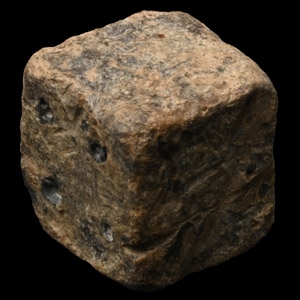
Romano-British Lead Gaming Dice
1st-4th century A.D.Sold for (Inc. bp): £156
Cuboid with pellet markings on most faces. 16.6 grams, 12 mm
Found Wiltshire, UK. From the private collection of Colin Narbeth, UK, 1990s, with collection reference no.52. Accompanied by a typed collection ticket. -
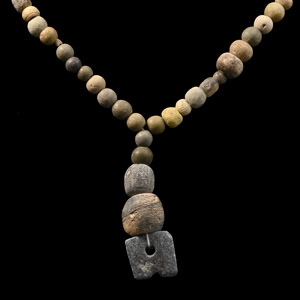
Roman Glass Bead Necklace String
1st-4th century A.D. and laterSold for (Inc. bp): £33
Restrung group of mostly spherical beads with a rectangular pendant centrepiece. 25.4 grams, 30.5 cm
London, UK, collection, 2000s. -
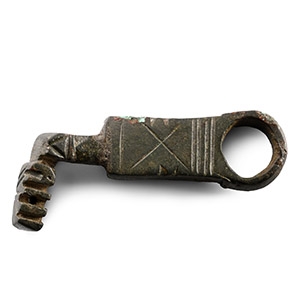
Large Roman Bronze Latch Key
1st-3rd century A.D.Sold for (Inc. bp): £91
Latchlifter-type comprising a broad shank with incised geometric ornament, cut wards to the bit. 45 grams, 68 mm
From the collection of a Buckinghamshire, UK, collector established from the earlier 1960s.
