
Loading, please wait...
LOT 0866
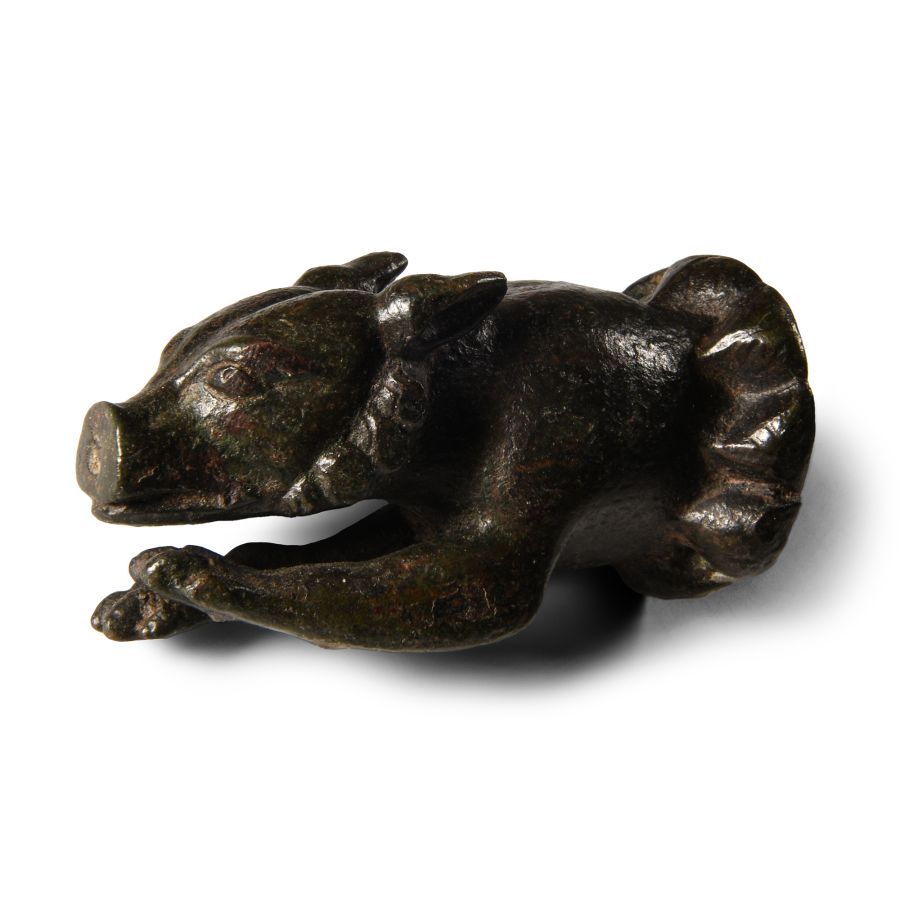
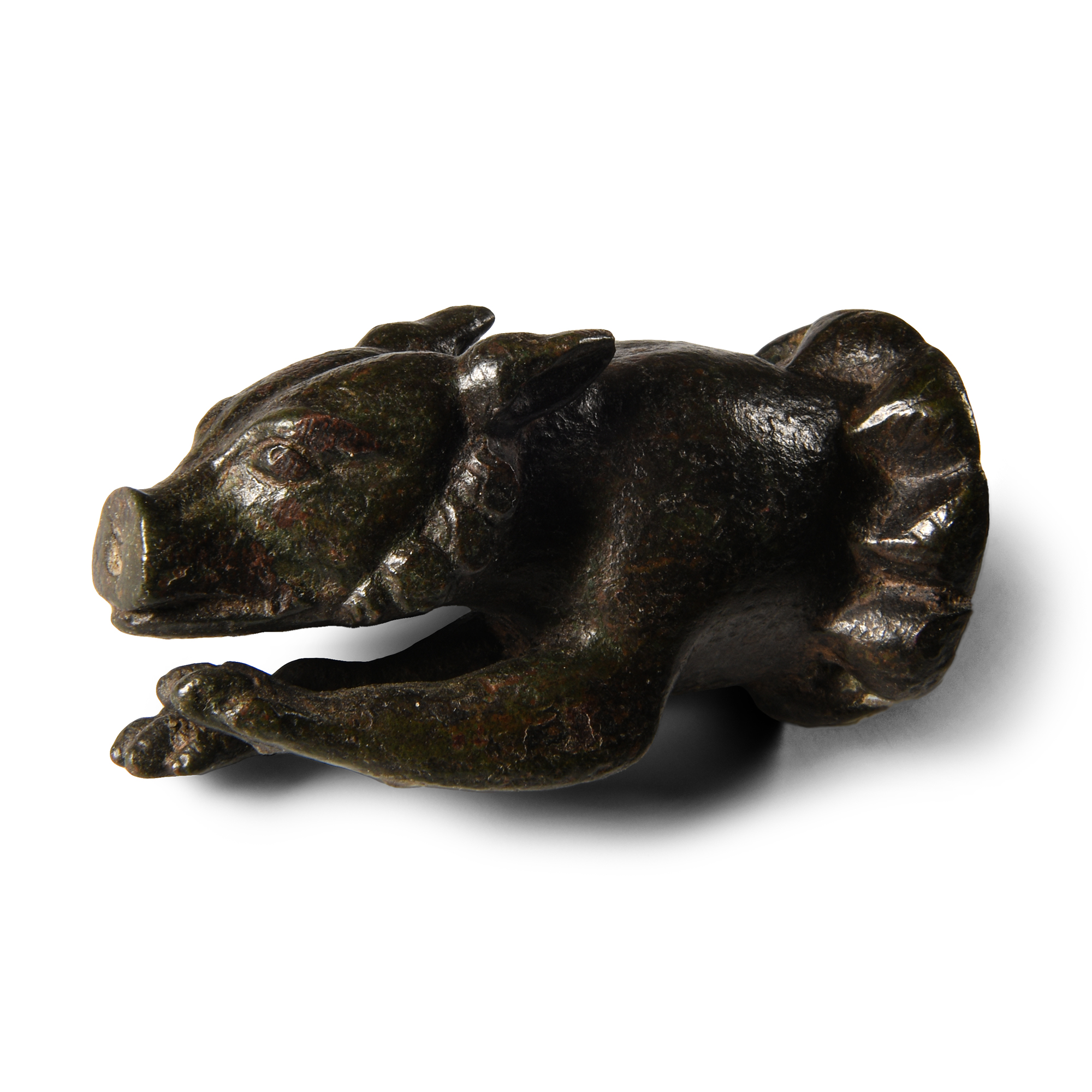
Roman Bronze Dog Chariot Fitting
2ND-4TH CENTURY A.D.
2 3/4 in. (148 grams, 70 mm).
Hollow-formed fitting of a leaping hound with forelegs extended; segmented base with two fixing holes. [No Reserve]
ProvenanceFrom a collection acquired on the UK art market from various auction houses and collections mostly before 2000.
From an important Cambridgeshire estate; thence by descent.
TimeLine Auctions follows a vetting process to ensure the authenticity and legality of all items, reinforcing our commitment to integrity and responsible trading. Each antiquity, antique, and coin lot undergoes thorough examination by a vetting committee of at least ten external specialists, professional trade association members, scientists, and archaeologists: Our Vetting Process
AUCTIONS:
TimeLine is a leading auction house specialising in antiquities, ancient art, collectables, natural history, coins, medals, and books. Our auctions offer museums, collectors, historians, and enthusiasts the opportunity to acquire unique and historically significant pieces.
-
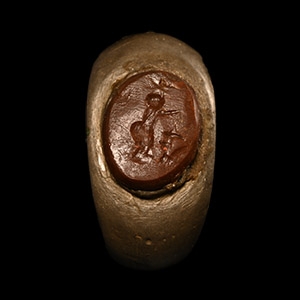
Roman Silver Ring with Advancing Bull Gemstone
Circa 2nd century A.D.Sold for (Inc. bp): £338
With a later inset jasper cloison, intaglio advancing bull motif. 8.62 grams, 26.05 mm overall, 20.85 mm internal diameter (approximate size British N 1/2, USA 6 3/4, Europe 14.35, Japan 13)
Acquired between the 1960s-early 1990s. From an old UK private collector from Worthing, West Sussex, UK. Property of K.P., a Cornish lady collector, UK. -
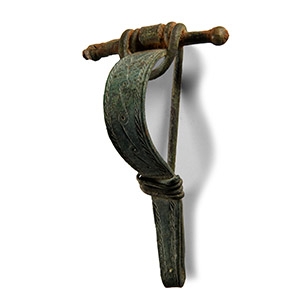
Large Roman Decorated Bronze Bow Brooch
2nd-3rd century A.D.Sold for (Inc. bp): £85
P-shaped with wide bow and foot, hatched to the edges with ring-and-dot ornament to the centre of the bow, bar above to hold the sprung pin, foot returning to form the catchplate, the upper edge of which is hammered into a flat wire coiled around the bottom of the bow. 56 grams, 95 mm
Ex property of an Austrian private collector since the 1970s. -
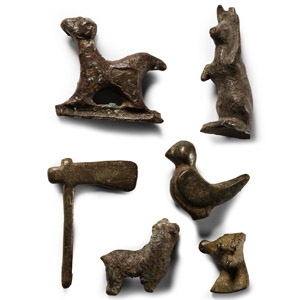
Roman Bronze Artefact Group
Mainly 1st-2nd century A.D.Sold for (Inc. bp): £130
Mixed group of votives including a hare, bull, axe and other items. 48 grams total, 15-33 mm
From a collection acquired on the UK art market from various auction houses and collections mostly before 2000. From an important Cambridgeshire estate; thence by descent.
