
Loading, please wait...
LOT 0784
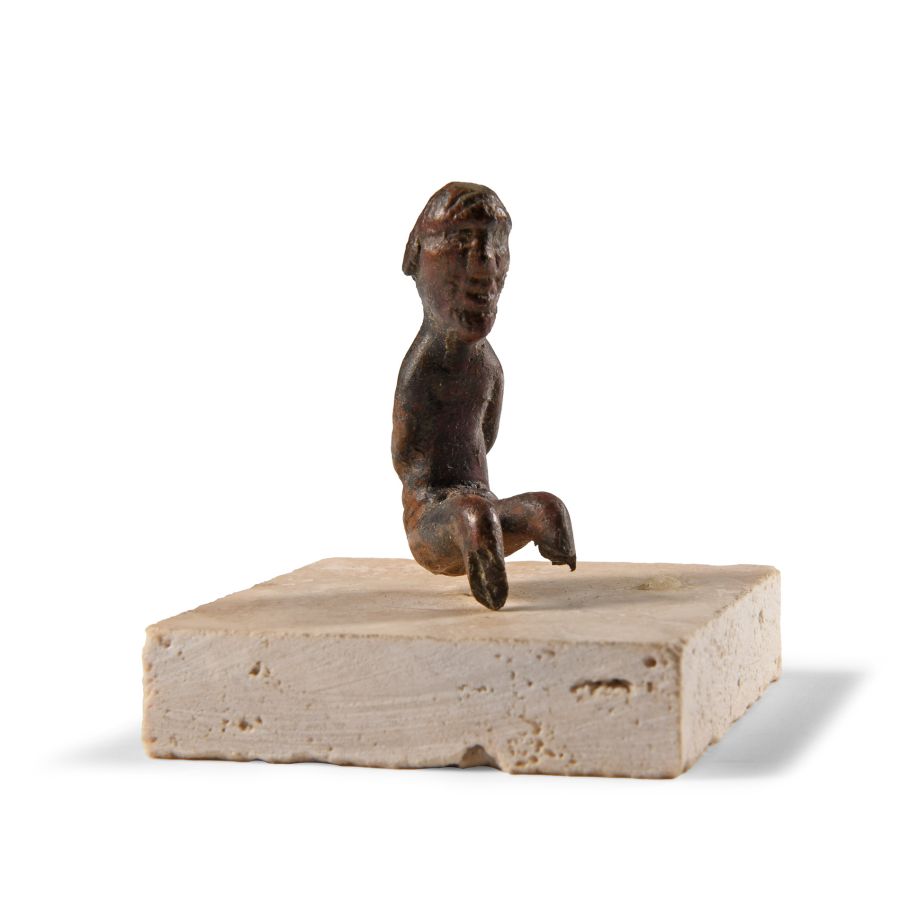
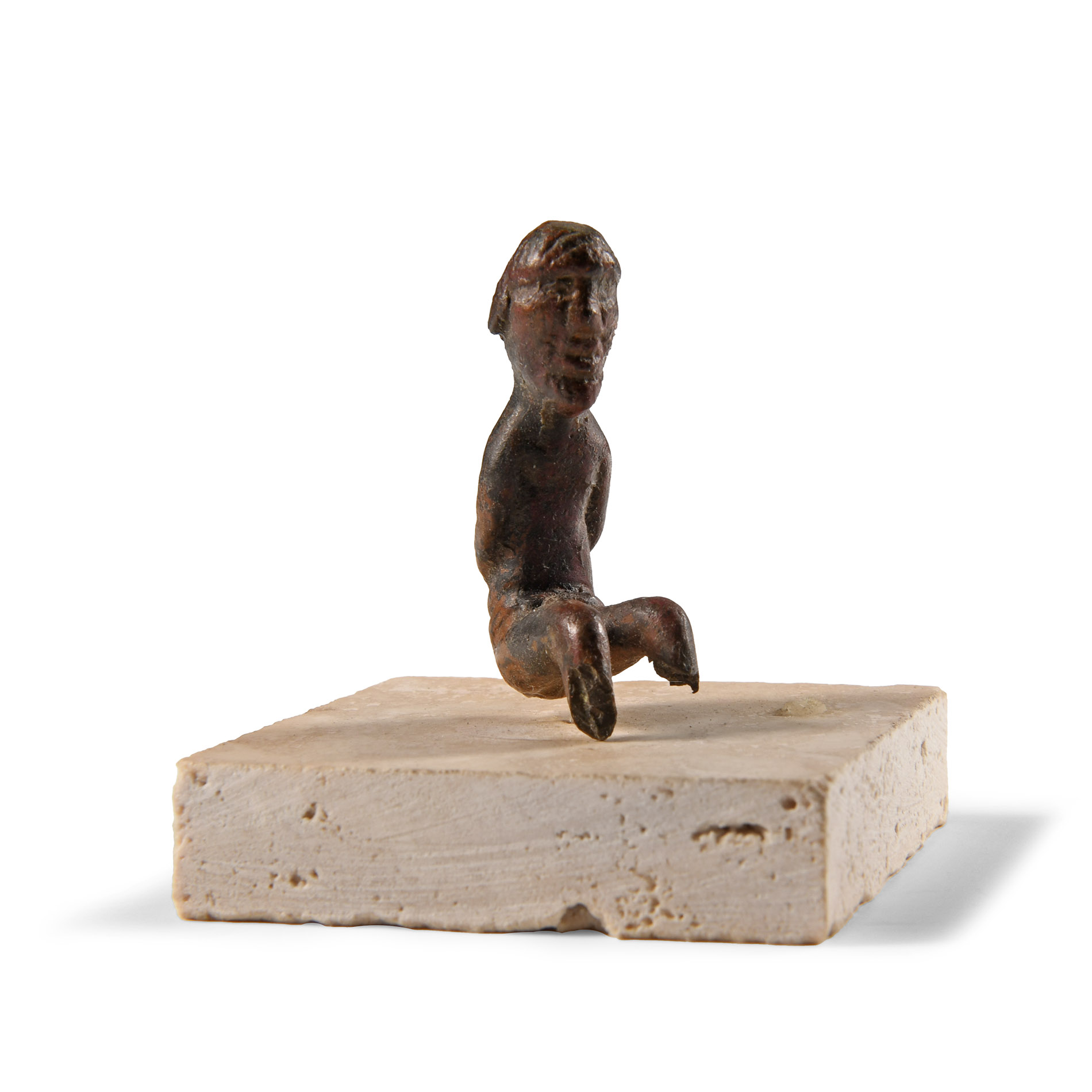
Roman Bronze Celtic Bound Captive Statuette
CIRCA 1ST-2ND CENTURY A.D.
2 in. (104 grams total, 51 mm including stand).
Modelled as a slender man with thick hair and beard, seated and naked with rope binding the hands together at his back; mounted on a custom-made stand. [No Reserve]
ProvenanceFrom a collection acquired on the UK art market from various auction houses and collections mostly before 2000.
From an important Cambridgeshire estate; thence by descent.
Cf. Beutler, F. et al., Der Adler Roms. Carnuntum und der Armee der Cäsaren, Bad-Deutsch Altenberg, 2017, item 1007.
CONDITIONTimeLine Auctions follows a vetting process to ensure the authenticity and legality of all items, reinforcing our commitment to integrity and responsible trading. Each antiquity, antique, and coin lot undergoes thorough examination by a vetting committee of at least ten external specialists, professional trade association members, scientists, and archaeologists: Our Vetting Process
AUCTIONS:
TimeLine is a leading auction house specialising in antiquities, ancient art, collectables, natural history, coins, medals, and books. Our auctions offer museums, collectors, historians, and enthusiasts the opportunity to acquire unique and historically significant pieces.
-

Roman Mosaic and Other Glass Necklace Bead Group
Circa 1st-4th century A.D.Sold for (Inc. bp): £117
Comprising thirty glass beads of various sizes, including mosaic beads and some with drawn decoration. 49 grams total, 7-13 mm
UK gallery, early 2000s.
The mass production of glass in Ancient Rome prompted the development of glass jewellery of unique qualities. The ancient Romans considered jewellery to be an essential accessory, being a public display of the wealth of high social classes. Recent excavations have provided better information on the use of glass beads for necklaces and bracelets, and in some case has been possible to understand the exact arrangement of a necklace or other jewellery made of glass. Many of the examples here presented belongs to the so-called category of ‘eye-beads’. -
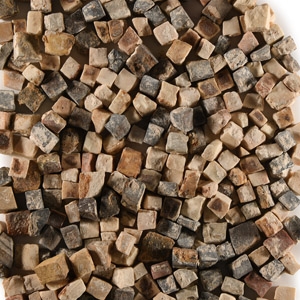
Roman Mosaic Tesserae Group
1st-4th century A.D.Sold for (Inc. bp): £156
A mixed group of two hundred and fifty single stone tesserae of various colours and sizes. 392 grams total, 8-14 mm
From a collection acquired on the UK art market from various auction houses and collections mostly before 2000. From an important Cambridgeshire estate; thence by descent. -
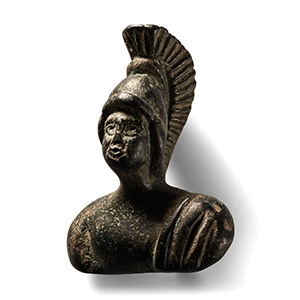
Roman Bronze Bust of Mars Appliqué
2nd-3rd century A.D.Sold for (Inc. bp): £143
Formed as a helmetted bust, possibly representing the god Mars (Greek Ares), with iron spike to the rear. 43 grams, 43 mm
Ex property of a London gentleman; acquired before 1980.
