
Loading, please wait...
LOT 0687
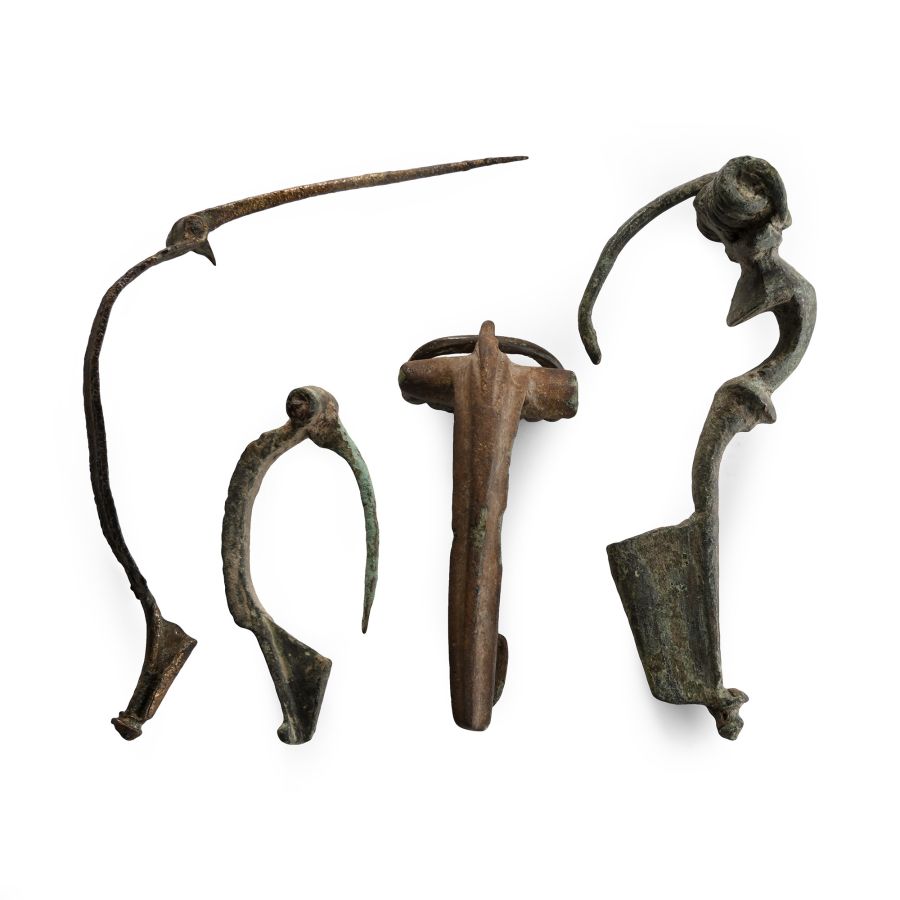
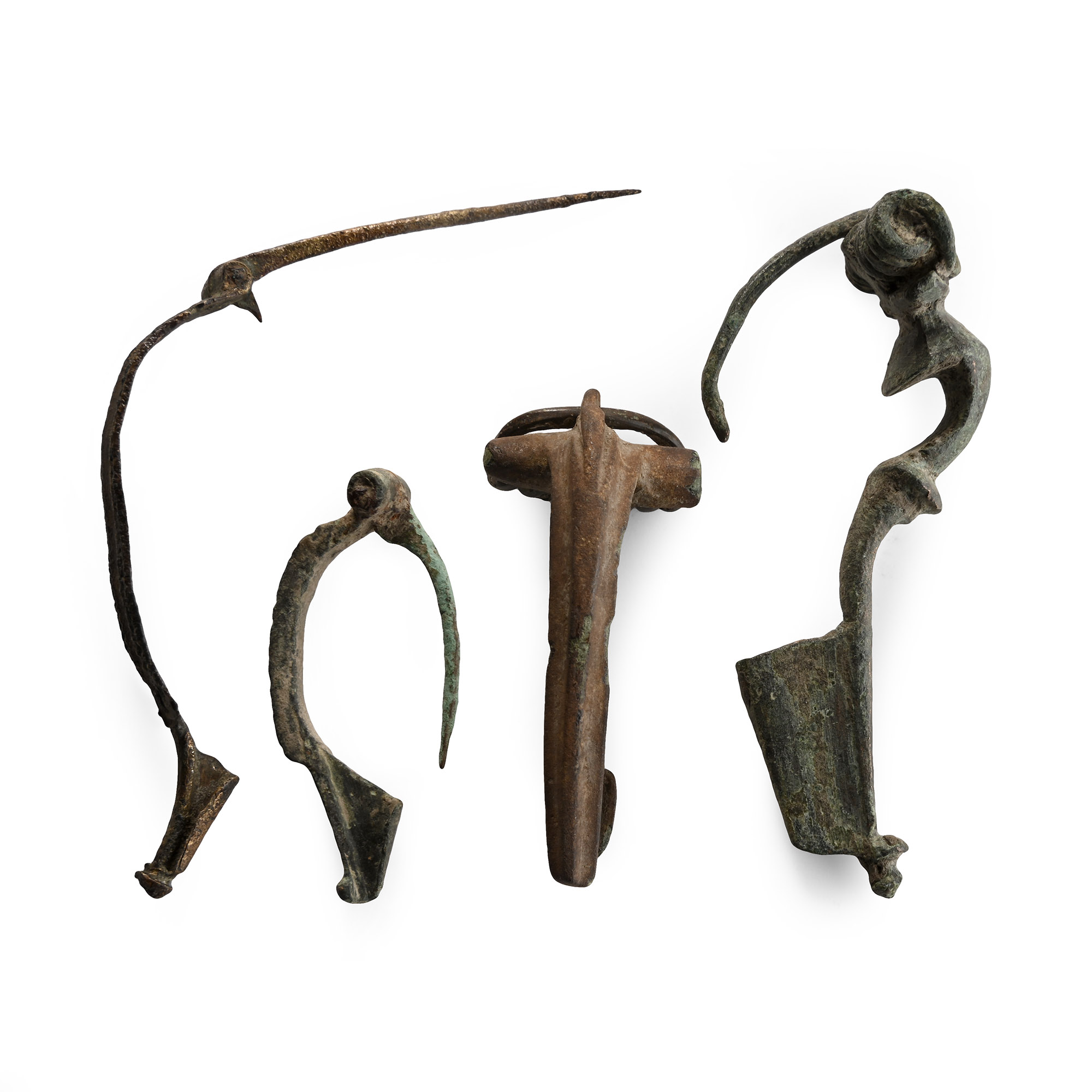
Roman Bronze Brooch Group
1ST-2ND CENTURY A.D.
1 1/4 - 2 5/8 in. (20.6 grams total, 33-67 mm).
Comprising four bow brooches, each retaining much of the pin. [4, No Reserve]
ProvenanceFrom a Dunmow, UK, collection; formed from 1970.
CONDITIONTimeLine Auctions follows a vetting process to ensure the authenticity and legality of all items, reinforcing our commitment to integrity and responsible trading. Each antiquity, antique, and coin lot undergoes thorough examination by a vetting committee of at least ten external specialists, professional trade association members, scientists, and archaeologists: Our Vetting Process
AUCTIONS:
TimeLine is a leading auction house specialising in antiquities, ancient art, collectables, natural history, coins, medals, and books. Our auctions offer museums, collectors, historians, and enthusiasts the opportunity to acquire unique and historically significant pieces.
-
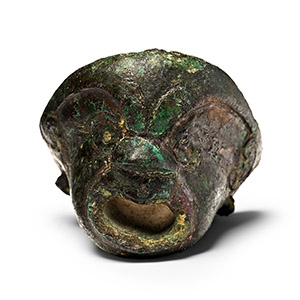
Roman Bronze Actor's Mask Mount
1st-2nd century A.D.Sold for (Inc. bp): £33
Formed as a comic actor's mask (maschera), with exaggerated scooped mouth and grotesque features, hollow to the reverse; perhaps a pouring spout. 62.7 grams, 40.5 mm
Acquired on the UK art market before 2000. Property of an Essex, UK, gentleman. -
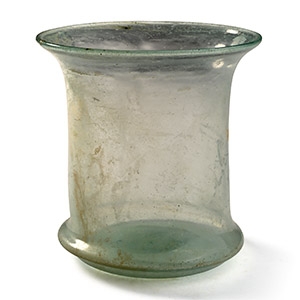
Roman Pale Green Glass Cup
Circa 3rd century A.D.Sold for (Inc. bp): £390
With slightly dimpled base, carinated flange to foot and tubular body, flared rim. 54 grams, 85 mm
From an important collection of glass, London, UK, 1990s. -
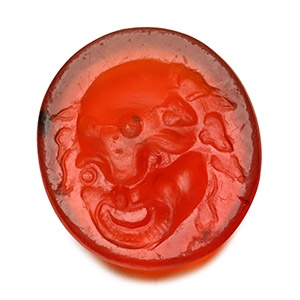
Roman Carnelian Gemstone of a Theatre Mask
1st century A.D.Sold for (Inc. bp): £2,210
With a New Comedy, The Cook Type theatre mask, facing with open mouth; supplied with a museum-quality impression. 0.39 grams, 10 mm
Private English collection, formed between the late 1970s and early 1990s. Private collection, London, UK.
