
Loading, please wait...
LOT 0914
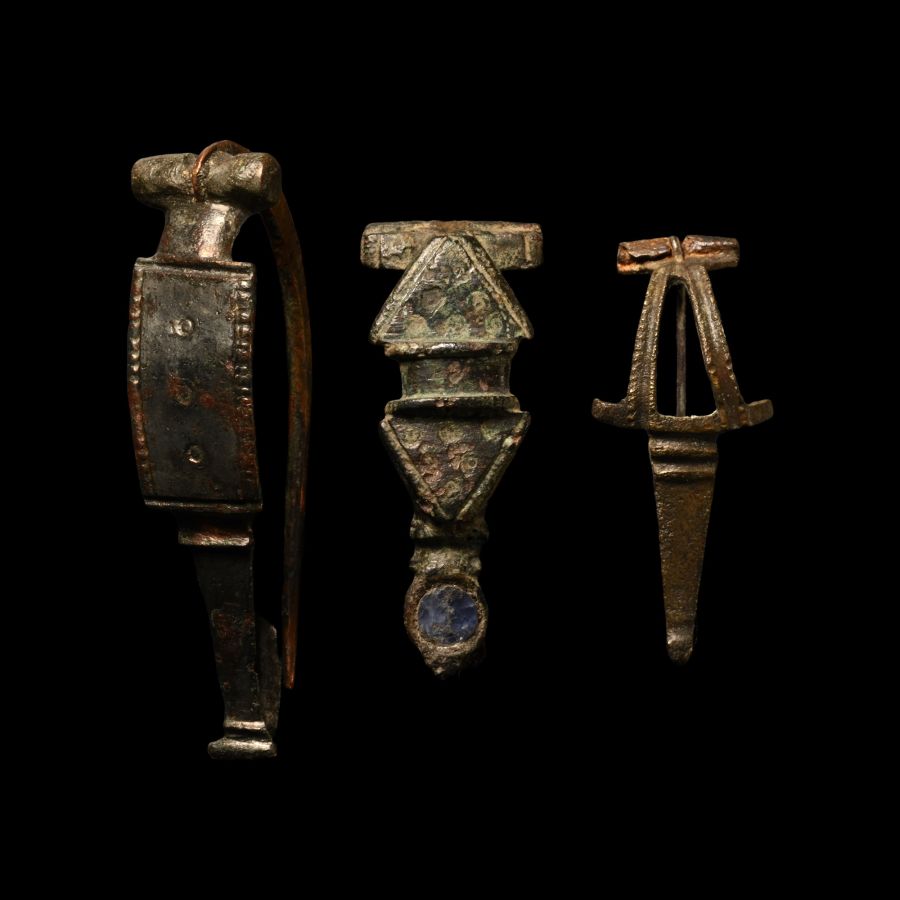
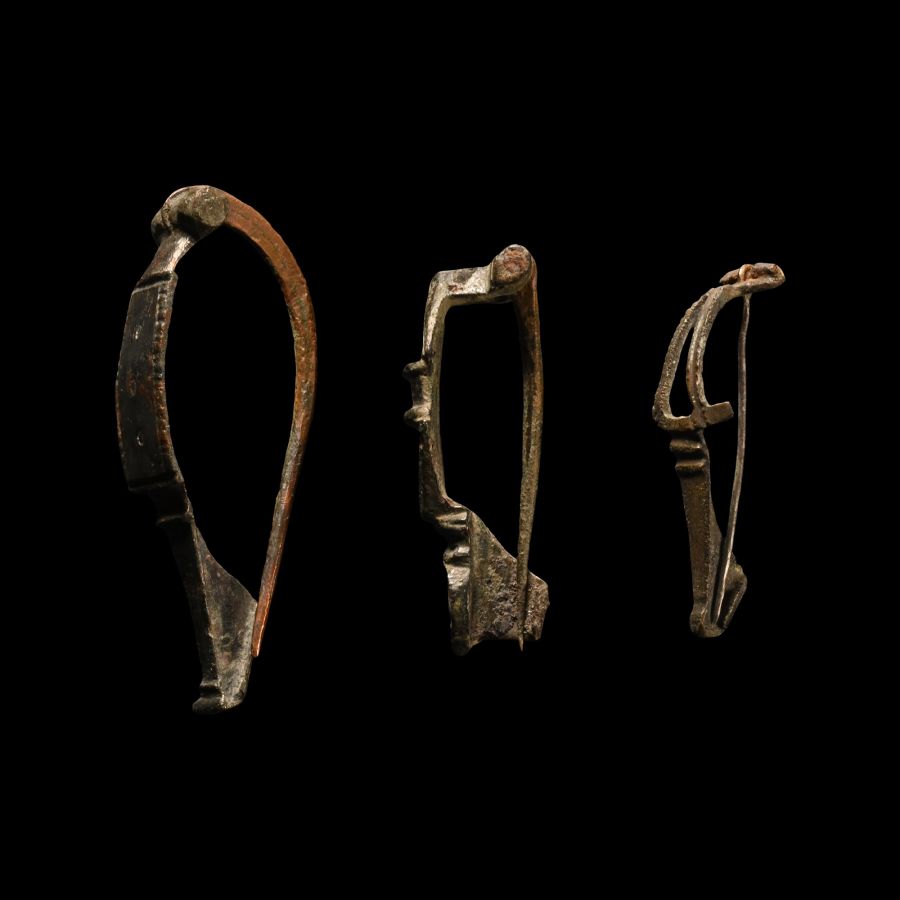
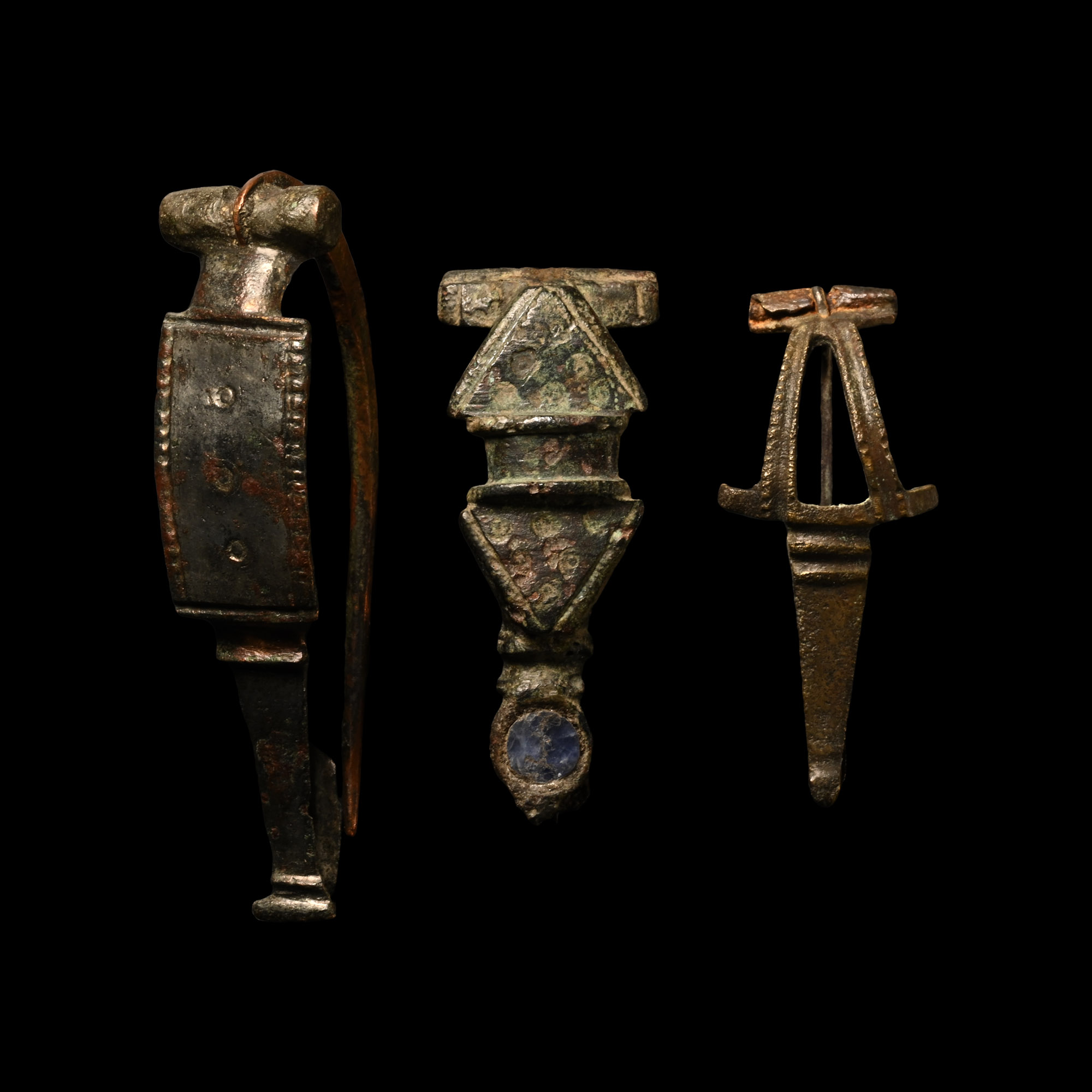
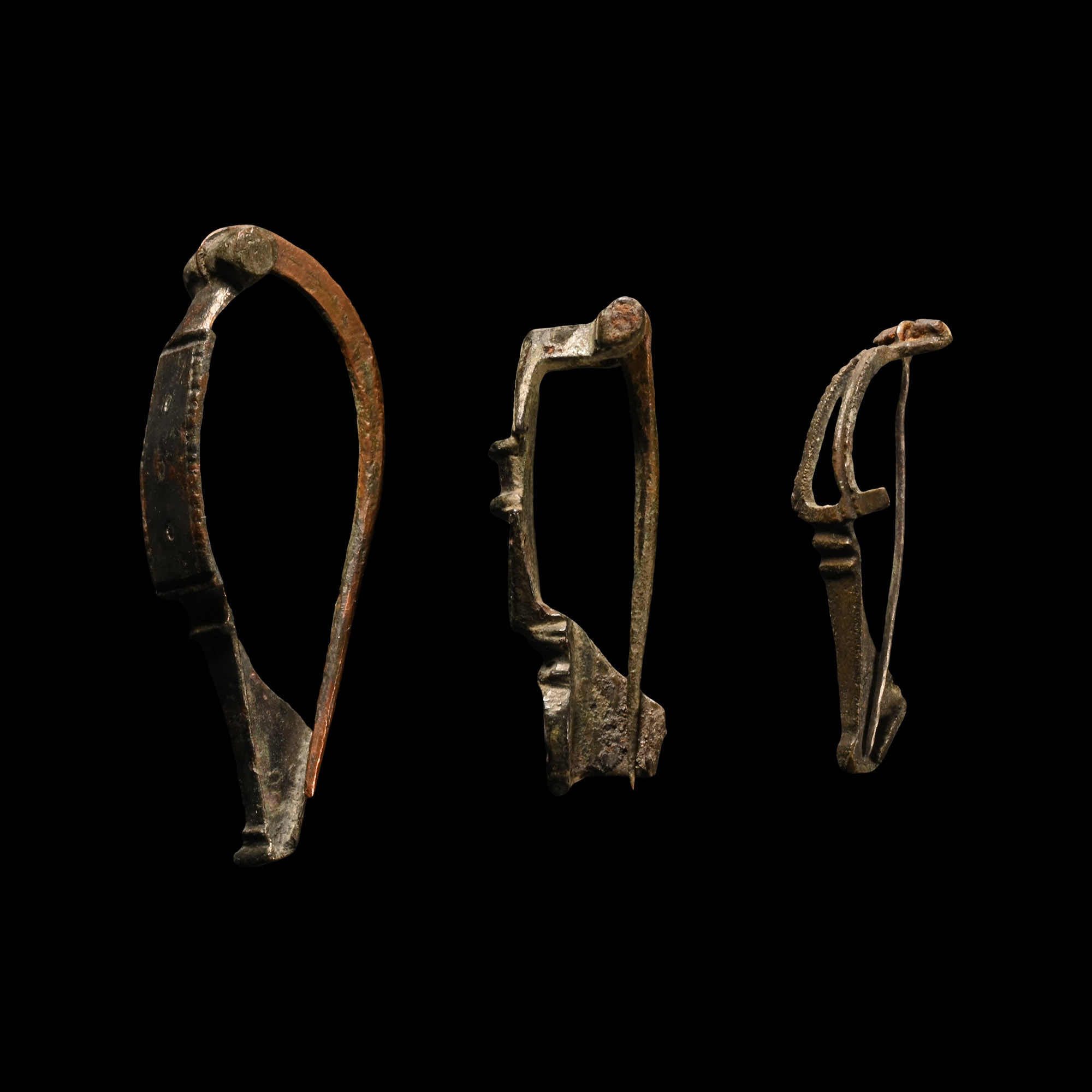
Roman Bronze Brooch Collection
2ND-3RD CENTURY A.D.
1 3/8 - 2 in. (13 grams total, 35-50 mm).
Including T-shaped, aucissa and other types; all complete with pins. [3, No Reserve]
ProvenanceProperty of the vendor's grandfather, thence by family descent, circa 1985.
From the private collection of a New York, USA gentleman.
TimeLine Auctions follows a vetting process to ensure the authenticity and legality of all items, reinforcing our commitment to integrity and responsible trading. Each antiquity, antique, and coin lot undergoes thorough examination by a vetting committee of at least ten external specialists, professional trade association members, scientists, and archaeologists: Our Vetting Process
AUCTIONS:
TimeLine is a leading auction house specialising in antiquities, ancient art, collectables, natural history, coins, medals, and books. Our auctions offer museums, collectors, historians, and enthusiasts the opportunity to acquire unique and historically significant pieces.
-
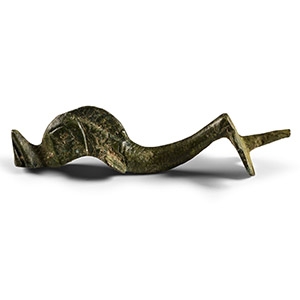
Roman Bronze Dolphin Furniture Mount
2nd-3rd century A.D.Sold for (Inc. bp): £85
Formed with undulating profile, flange base with dentilled edge and fixing spike, mouth terminating in a triangular support pad. 36.5 grams, 86 mm
Ex German art market, 2000s. Acquired from an EU collector living in London. From the collection of Surrey, UK, gentleman. -
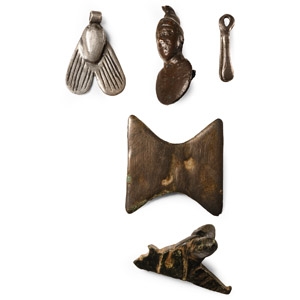
Roman and Earlier Silver and Bronze Artefact Collection
1st millennium B.C.-4th century A.D.Sold for (Inc. bp): £169
Comprising: amuletic pendant in the form of a fly with hatched wings; amuletic wishbone pendant; figure fragment; mount formed as the bust of Minerva with crested helmet; Bronze Age butterfly toggle. 34.5 grams total, 23-35 mm
From the collection of the famous author, writer and speaker, Gordon Bailey, Essex, UK; formed since 1968. -
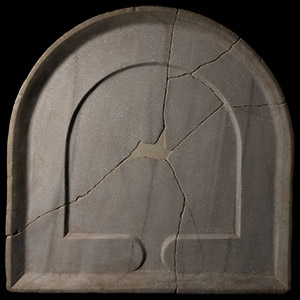
Large Late Roman Sigma-Shaped Marble Offering Table Top
Eastern Mediterranean, 4th-6th century A.D.Sold for (Inc. bp): £3,900
Semi-circular with raised and slightly everted edge, the top with a recessed area with a funnel-shaped outlet; for votive offerings within a church; restored. 84.5 kg including backplate, 91 cm wide
In general good condition, re-assembled.
Acquired in the late 1960s or early 1970s. Ex David Read collection. Accompanied by an academic report by Dr Raffaele D’Amato. This lot has been checked against the Interpol Database of stolen works of art and is accompanied by search certificate number no.12080-214035.
Marble tables such as the present example are called in archaeological terms sigma tables, in consideration of their resemblance to the Greek letter sigma. Sigma-shaped tables appeared in the banquet halls at the end of the 4th century and within Christian buildings from the following century. Most of the undecorated slabs were used as liturgical table tops for feasts to honour the deceased. This commemorative practice was known throughout the late Roman world in west and east, where it continued in the daily life of the citizens of the Eastern Roman Empire. In ecclesiastical settings, circular and sigma-shaped tables were used to collect offerings or for celebrating the agape, more generally as secondary furniture, while the rectangular form was preferred for use as an altar.
