
Loading, please wait...
LOT 0661
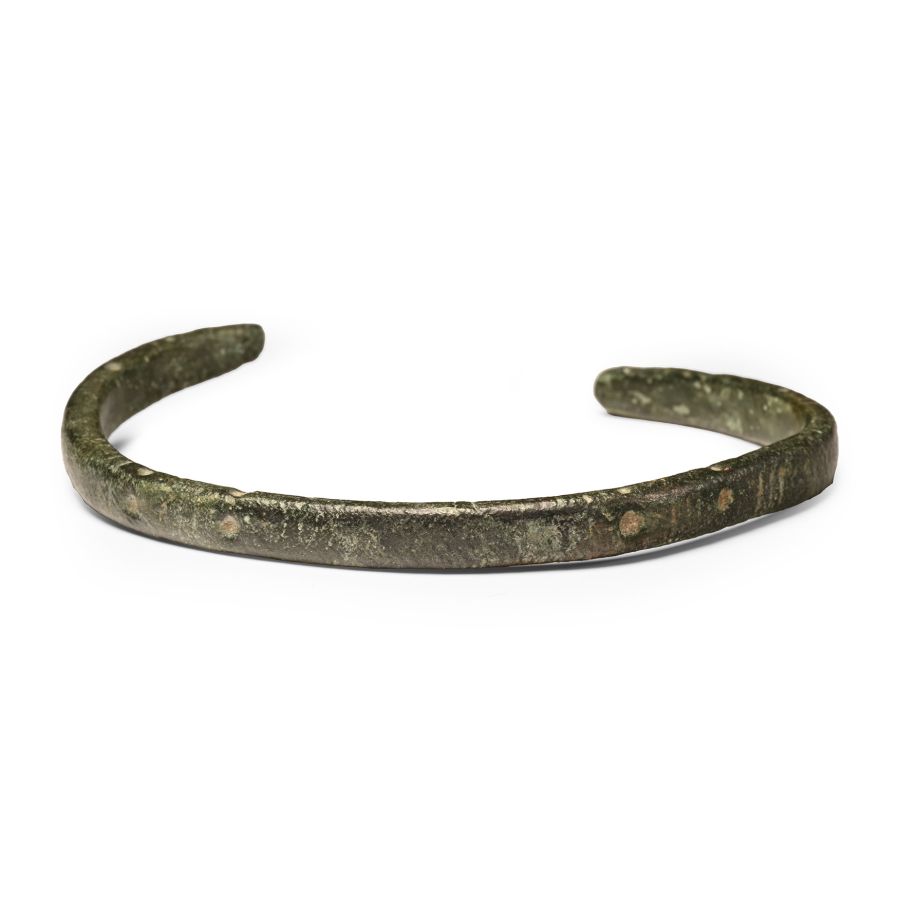
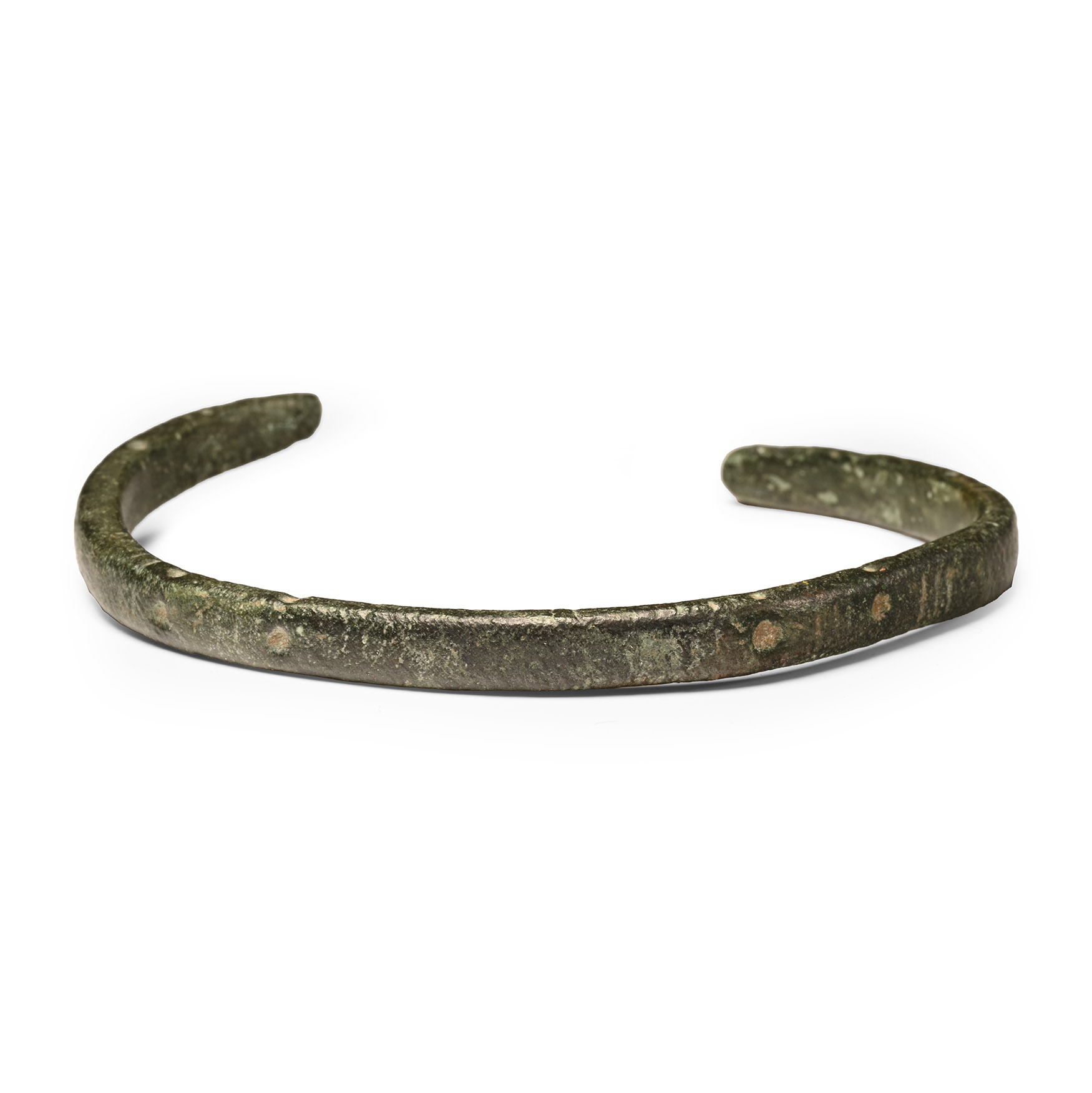
Roman Bronze Bracelet
1ST-4TH CENTURY A.D.
2 3/4 in. (20.16 grams, 69 mm).
Comprising a D-section penannular body, the outer face decorated with punched pellets separated by three transverse lines. [No Reserve]
ProvenanceEx German art market, 2000s.
Acquired from an EU collector living in London.
From the collection of Surrey, UK, gentleman.
TimeLine Auctions follows a vetting process to ensure the authenticity and legality of all items, reinforcing our commitment to integrity and responsible trading. Each antiquity, antique, and coin lot undergoes thorough examination by a vetting committee of at least ten external specialists, professional trade association members, scientists, and archaeologists: Our Vetting Process
AUCTIONS:
TimeLine is a leading auction house specialising in antiquities, ancient art, collectables, natural history, coins, medals, and books. Our auctions offer museums, collectors, historians, and enthusiasts the opportunity to acquire unique and historically significant pieces.
-
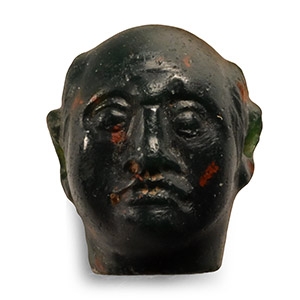
Roman Head of a Philosopher Bead
Circa 1st century B.C.-1st century A.D.Sold for (Inc. bp): £91
Carved with a severe facial expression, short cropped hair, pierced at the ears, old collector's label '018' to the underside. 3.05 grams, 14 mm
From the glyptic collection of Mr X; thence by descent. Acquired Hotel des Ventes, Drouot, Eve SVV, Paris, France, 28 June 2017, no.152 (Part). Property of a French collector. -
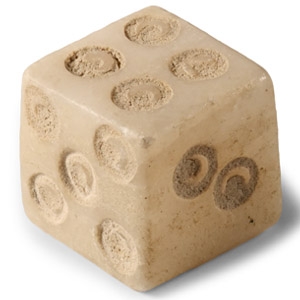
Large Roman Marble Gaming Dice
1st-4th century A.D.Sold for (Inc. bp): £182
Cuboid with ring-and-dot markings disposed 1:5, 2:3, 4:6. 3.12 grams, 11 mm
From the important private collection of dice and gaming pieces of Colin Narbeth, London, UK, collection no.28. -
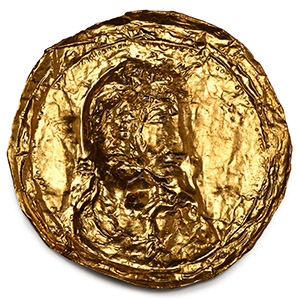
Roman Sheet-Gold Phalera Cover with Imperial Bust
4th-6th century A.D.Sold for (Inc. bp): £442
Discoid appliqué with beaded rim and a repoussé imperial bust to the centre, the bearded male looking right and wearing a laurel wreath and a military cloak. 3.46 grams, 64 mm
Acquired in the early 1990s. From the collection of a London antiquarian. Accompanied by an academic report by Dr Raffaele D'Amato.
The subject is represented as an imperator or field general, recalling the image of a victorious emperor, iconography widely in use in the late Roman Empire.
