
Loading, please wait...



LOT 0923
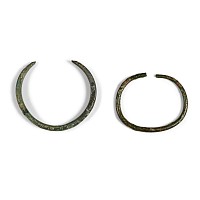
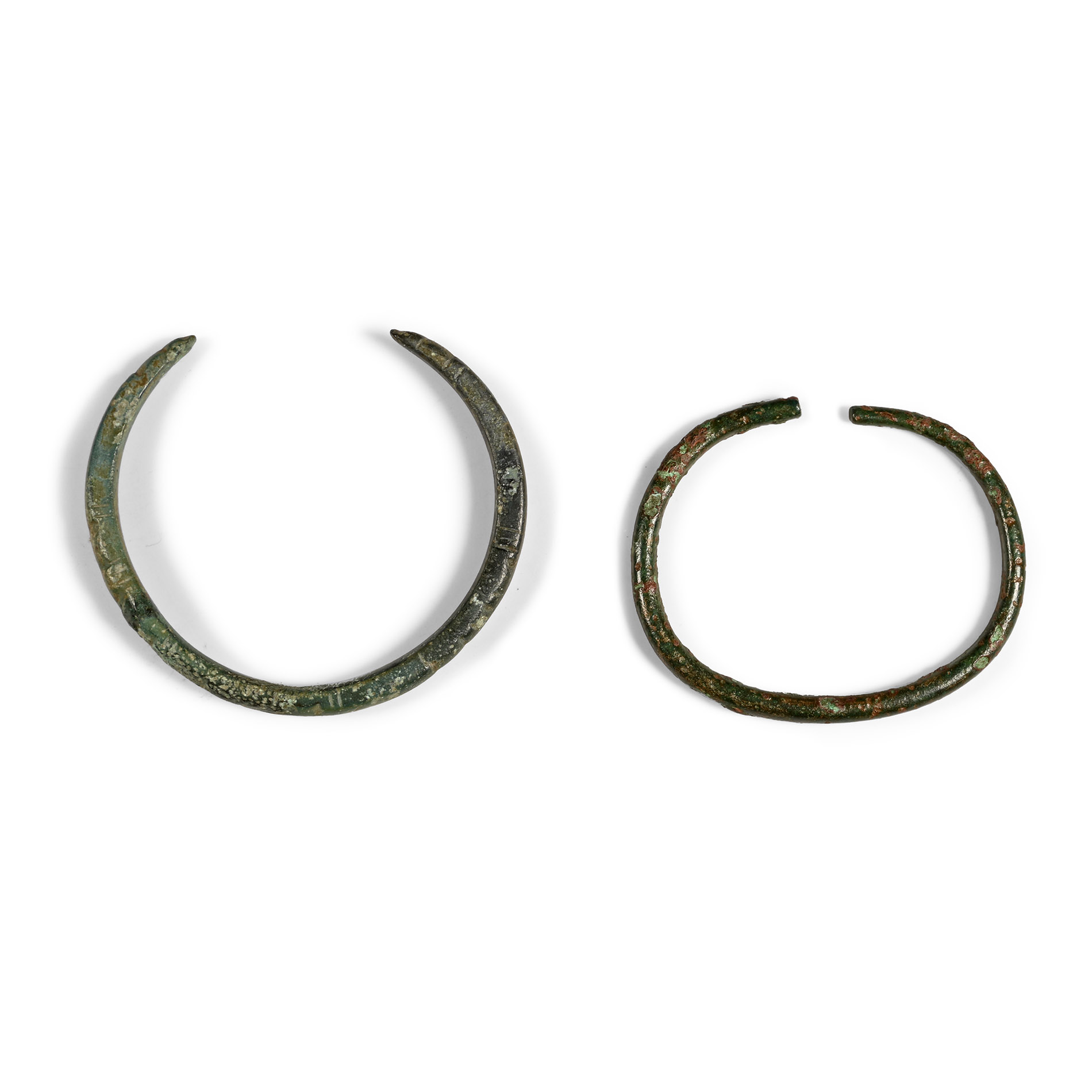
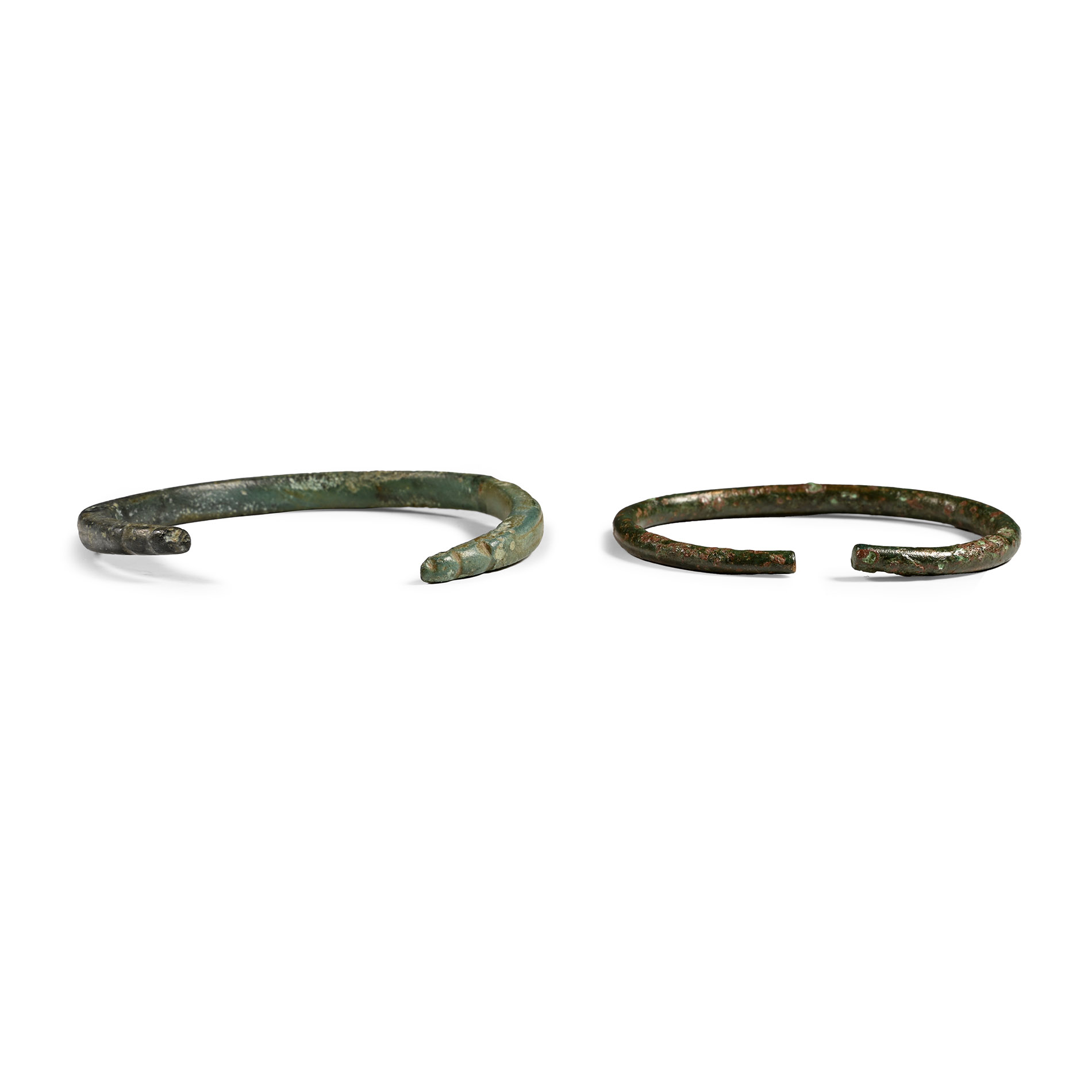
Roman Bronze Bracelet Pair
1ST-3RD CENTURY A.D.
2 1/4 - 2 3/8 in. (36.8 grams total, 56-61 mm).
Comprising two penannular bracelets, one round-section and the other with segmented D-section body. [2, No Reserve]
ProvenanceEx German art market, 2000s.
Acquired from an EU collector living in London.
From the collection of Surrey, UK, gentleman.
TimeLine Auctions follows a vetting process to ensure the authenticity and legality of all items, reinforcing our commitment to integrity and responsible trading. Each antiquity, antique, and coin lot undergoes thorough examination by a vetting committee of at least ten external specialists, professional trade association members, scientists, and archaeologists: Our Vetting Process
AUCTIONS:
TimeLine is a leading auction house specialising in antiquities, ancient art, collectables, natural history, coins, medals, and books. Our auctions offer museums, collectors, historians, and enthusiasts the opportunity to acquire unique and historically significant pieces.
-
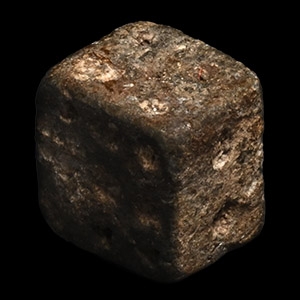
Roman Lead 'Loaded Dice' Gaming Piece
1st-2nd century A.D.Sold for (Inc. bp): £124
Cuboid with impressed point markings disposed 6:6, 2:3, 5:4; old collector's tag '250'. 9.24 grams, 11 mm
From the important private collection of dice and gaming pieces of Colin Narbeth, London, UK, collection no.250.
The die appears to have two broader faces each with two lines of three points flanking a larger central point, perhaps suggesting that the score could be either 1 or 6 according to context. -

Roman Bronze Bell
1st-2nd century A.D.Sold for (Inc. bp): £143
Trapezoidal in section with loop to the apex, pierced to accept a clapper; many of these objects are published in the Detector Finds book series. 137 grams, 68 mm
From the collection of the famous author, writer and speaker, Gordon Bailey, Essex, UK; formed since 1968.
The bell was probably used inside a temple where its melodic sound was thought to add to the aura of reverence and mystery. In Mithraic temples, bells were rung as part of the ceremonial, while in the cult of Attis the bell and tympanum were also used to serve food and drink as the critical part of the rituals of consumption. One Roman order of priests applied the term -
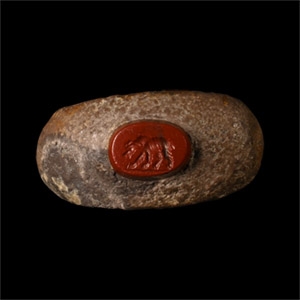
Roman Silver Ring with Hound Gemstone
Late 2nd-early 3rd century A.D.Sold for (Inc. bp): £234
With broad rounded plaque and stud gemstone, jasper intaglio advancing hound on a baseline. 9.84 grams, 24.22 mm overall, 16.72 mm internal diameter (approximate size British I, USA 4 1/4, Europe 7.44, Japan 7)
Private collection, England.
