
Loading, please wait...

LOT 0871
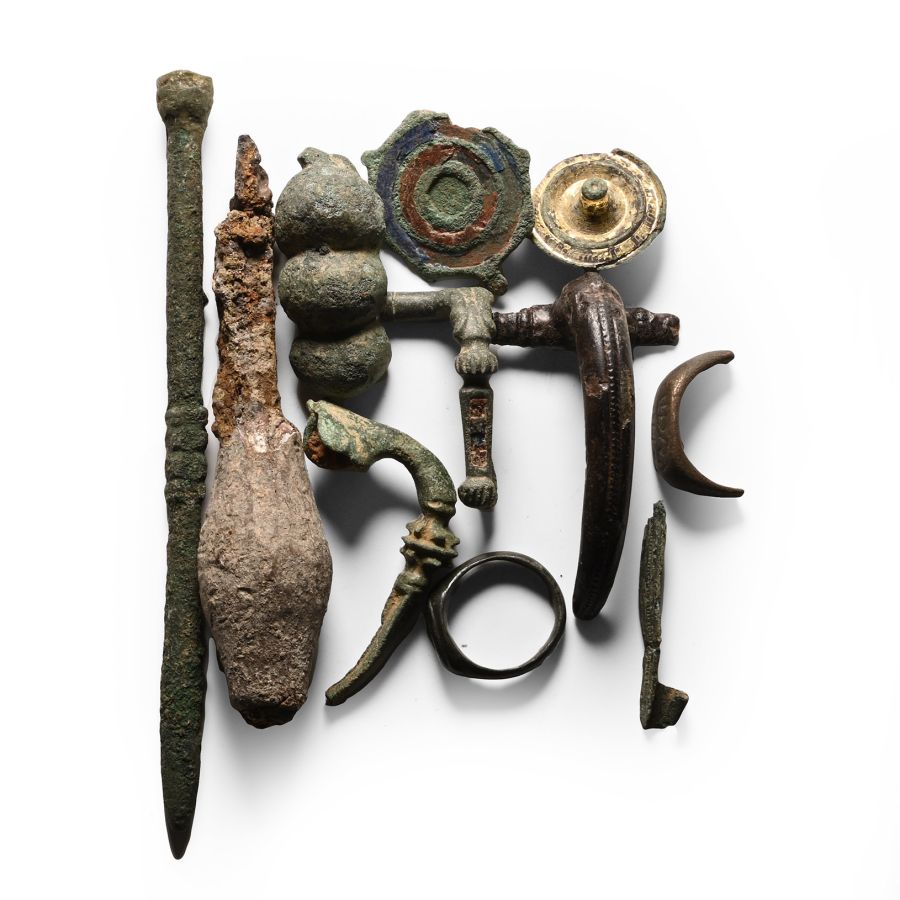
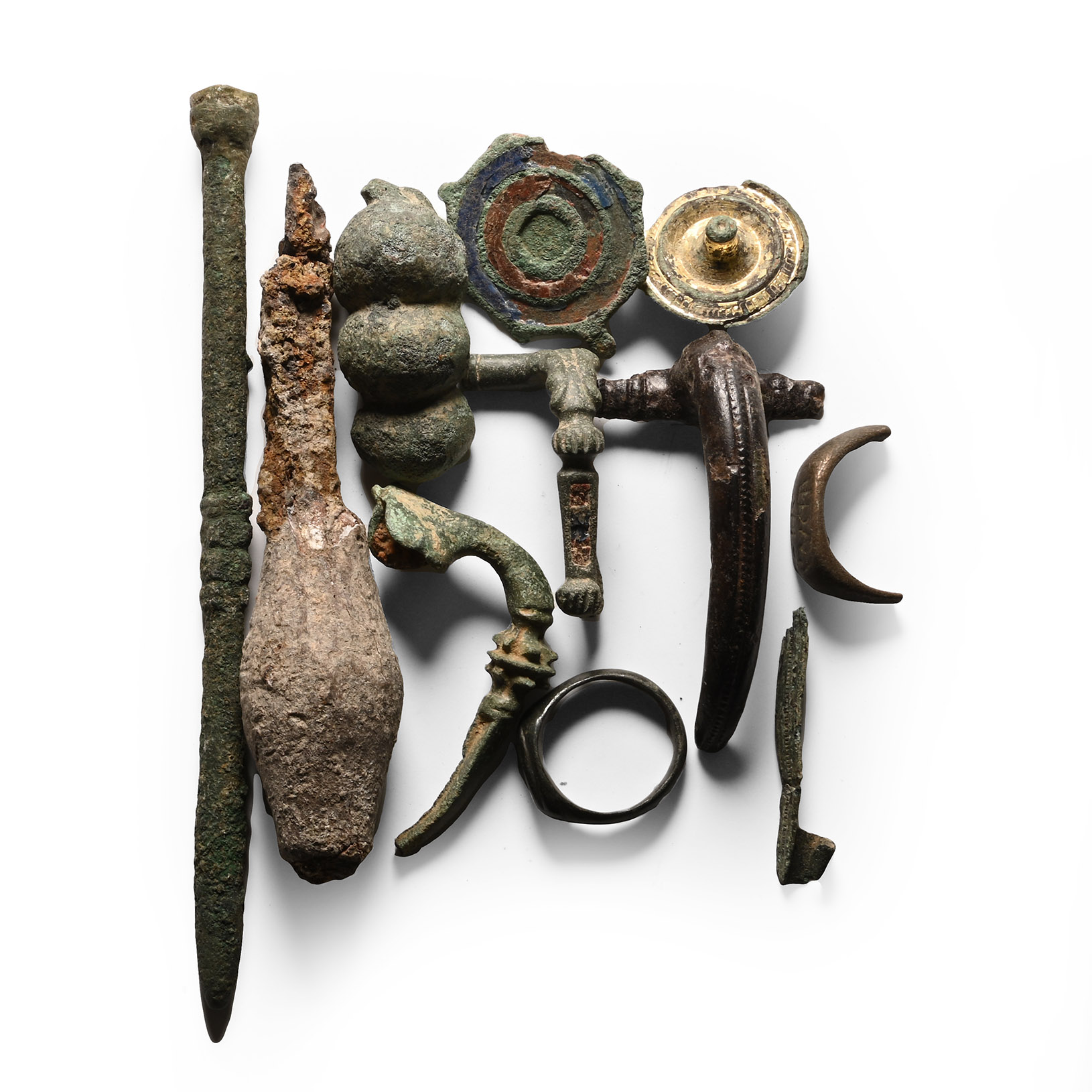
Roman Bronze Artefact Collection
1ST-3RD CENTURY A.D.
3/4 - 4 1/2 in. (176 grams total, 2-11.4 cm).
Including a gilt tutulus brooch, section of a plumbata missile, dolphin brooch, enamelled disc brooch, surgical probe and other items. [11, No Reserve]
ProvenanceFound various site in the UK.
Ex N.Mills.
TimeLine Auctions follows a vetting process to ensure the authenticity and legality of all items, reinforcing our commitment to integrity and responsible trading. Each antiquity, antique, and coin lot undergoes thorough examination by a vetting committee of at least ten external specialists, professional trade association members, scientists, and archaeologists: Our Vetting Process
AUCTIONS:
TimeLine is a leading auction house specialising in antiquities, ancient art, collectables, natural history, coins, medals, and books. Our auctions offer museums, collectors, historians, and enthusiasts the opportunity to acquire unique and historically significant pieces.
-
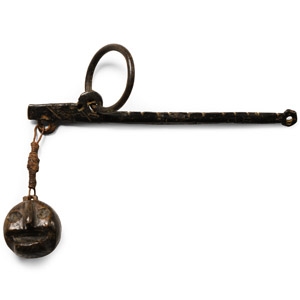
Roman Bronze Steelyard Balance with Severed Celtic Head Weight
1st century B.C.-1st century A.D.Sold for (Inc. bp): £247
Comprising a round-section arm with pierced lug finial, notches to the upper face, suspension ring, counter weight formed as stylised head with gaping mouth and bowl-cut hair. 86 grams, 11.8 cm
From a collection acquired on the UK art market from various auction houses and collections mostly before 2000. From an important Cambridgeshire estate; thence by descent. -
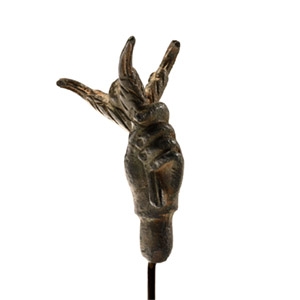
Roman Bronze Eros Statuette Fragment
1st-2nd century A.D.Sold for (Inc. bp): £91
Modelled in the round, the left hand of Cupid-Eros gripping the stem of a bloom with three radiating leaves; mounted on a custom-made stand. 46 grams total, 72 mm including stand
From a collection acquired on the UK art market from various auction houses and collections mostly before 2000. From an important Cambridgeshire estate; thence by descent. -
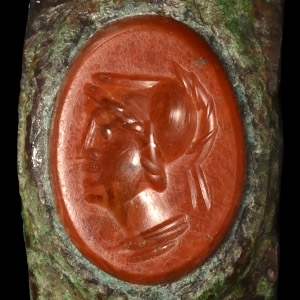
Roman Bronze Ring with Minerva Gemstone
1st-2nd century A.D.Sold for (Inc. bp): £208
With inset jasper gemstone, intaglio profile bust of Minerva (Greek Athena) wearing a crested helmet. 3.39 grams, 21.07 mm overall, 17.61 mm internal diameter (approximate size British L 1/2, USA 6, Europe 11.87, Japan 11)
Ex German art market, 2000s. Acquired from an EU collector living in London. From the collection of Surrey, UK, gentleman.
