
Loading, please wait...
LOT 0674
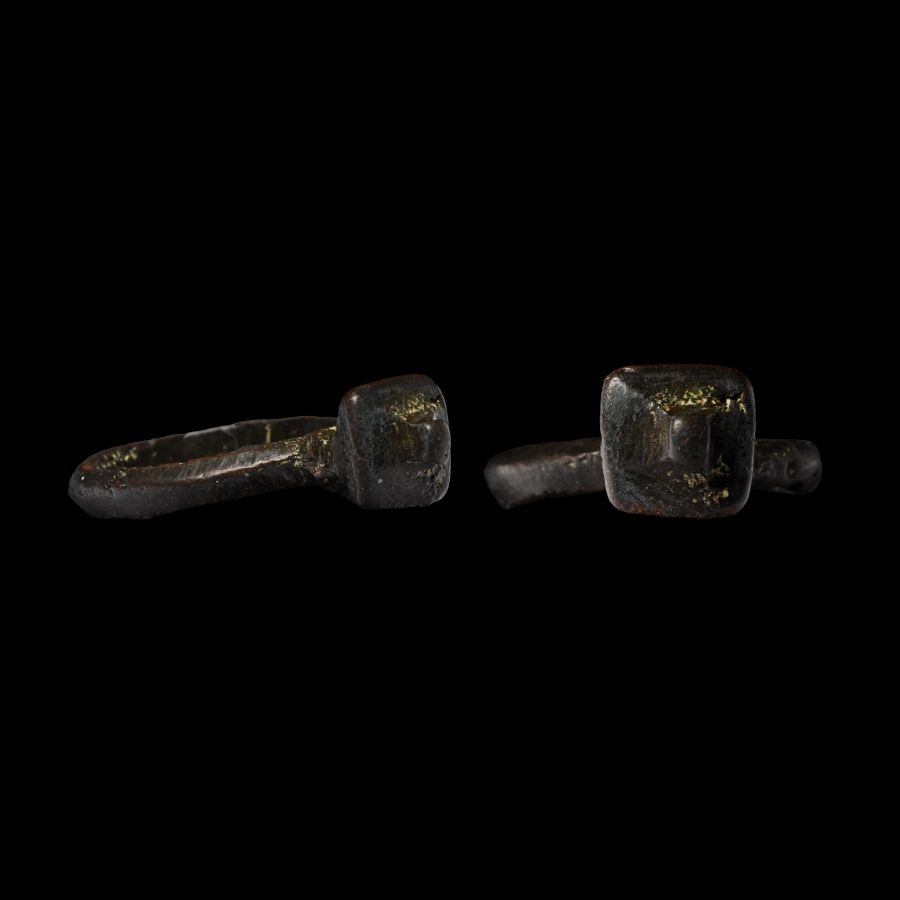
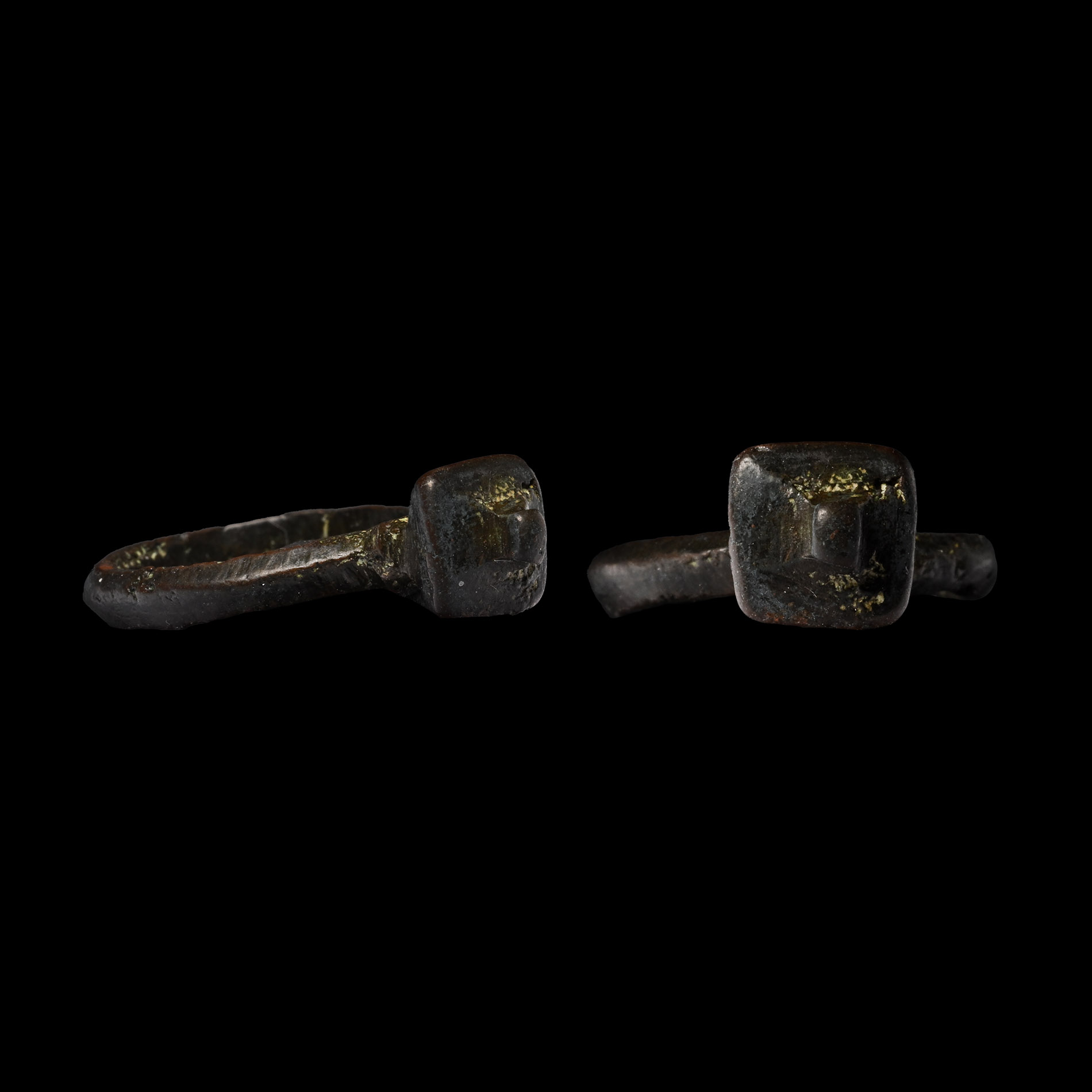
Roman Bronze Architectural Ring
4TH-6TH CENTURY A.D.
(4.375 Grams, 29.97 mm.).
Narrow D-section hoop with inverted pyramid to the bezel and knop finial. [No Reserve]
ProvenanceAcquired on the UK art market.
Property of a Essex, UK, collector.
Accompanied by an old typed information card.
Cf. Hadjadj, R., Bagues Merovingiennes - Gaul du Nord, Paris, 2007, item 500, for type.
CONDITIONTimeLine Auctions follows a vetting process to ensure the authenticity and legality of all items, reinforcing our commitment to integrity and responsible trading. Each antiquity, antique, and coin lot undergoes thorough examination by a vetting committee of at least ten external specialists, professional trade association members, scientists, and archaeologists: Our Vetting Process
AUCTIONS:
TimeLine is a leading auction house specialising in antiquities, ancient art, collectables, natural history, coins, medals, and books. Our auctions offer museums, collectors, historians, and enthusiasts the opportunity to acquire unique and historically significant pieces.
-
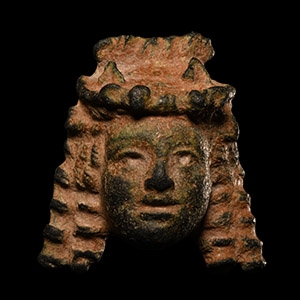
Roman Bronze Mask Appliqué
2nd century B.C.-1st century A.D.Estimate: £350 - 450 (‡+bp*)
Opening Bid: £180
With rounded fleshy face and hair in tiered bands, sockets to the eyes to accept silver inserts; diadem to the brow with foliage detailing; hollow to the reverse. 56 grams, 42 mm
Private collection of Mr S.A., Switzerland, 1990s, thence by descent. -
.jpg)
Roman Terracotta Oil Lamp with Erotic Scene
2nd century A.D.Sold for (Inc. bp): £1,040
With broad discus and short nozzle, low-relief scene with two lovers on a bed. 66 grams, 85 mm
From a London collection of erotica, formerly in the collection of the late Mr S.M., London, UK. -
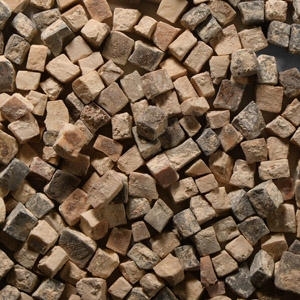
Roman Mosaic Stone Tesserae Group
1st-4th century A.D.Sold for (Inc. bp): £182
A mixed group of two hundred and fifty single tesserae of various colours and sizes, mostly cuboid. 332 grams total, 8-14 mm
From a collection acquired on the UK art market from various auction houses and collections mostly before 2000. From an important Cambridgeshire estate; thence by descent.
