
Loading, please wait...
LOT 0127
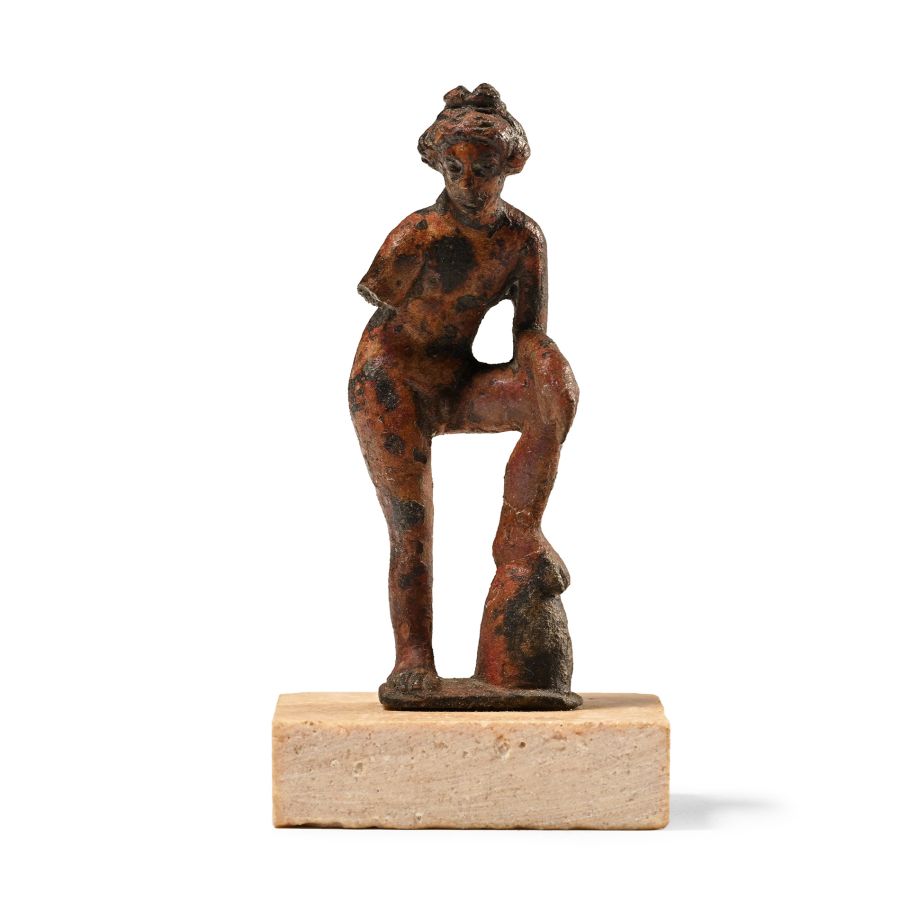
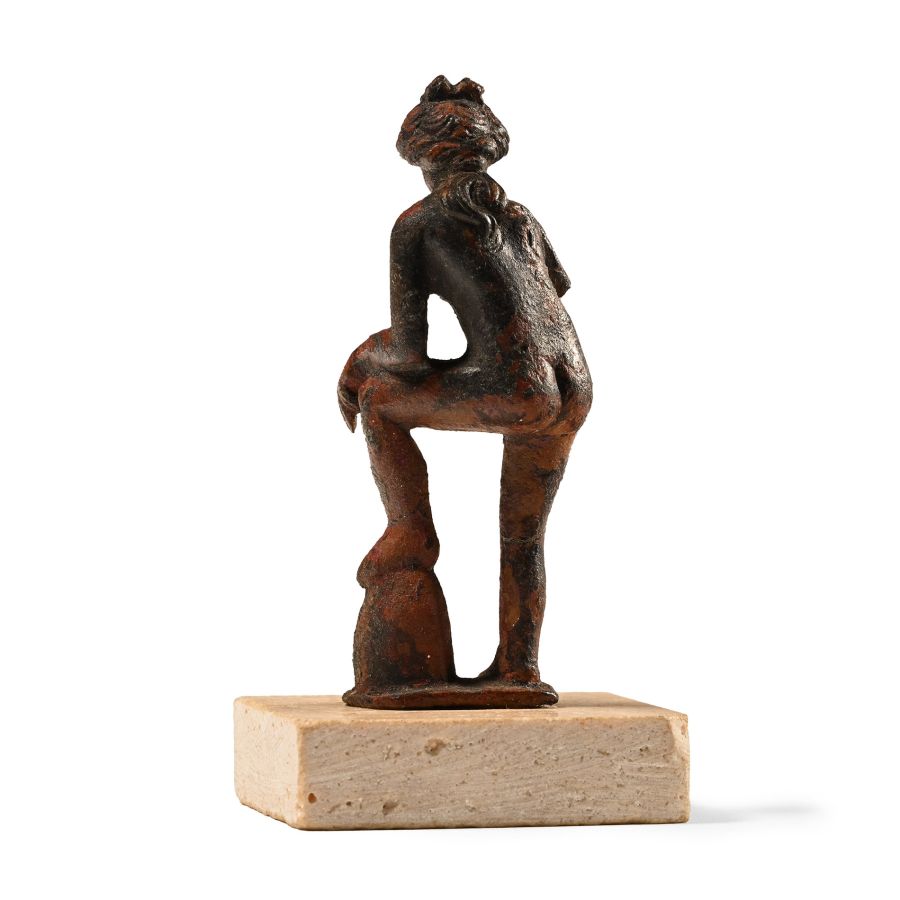
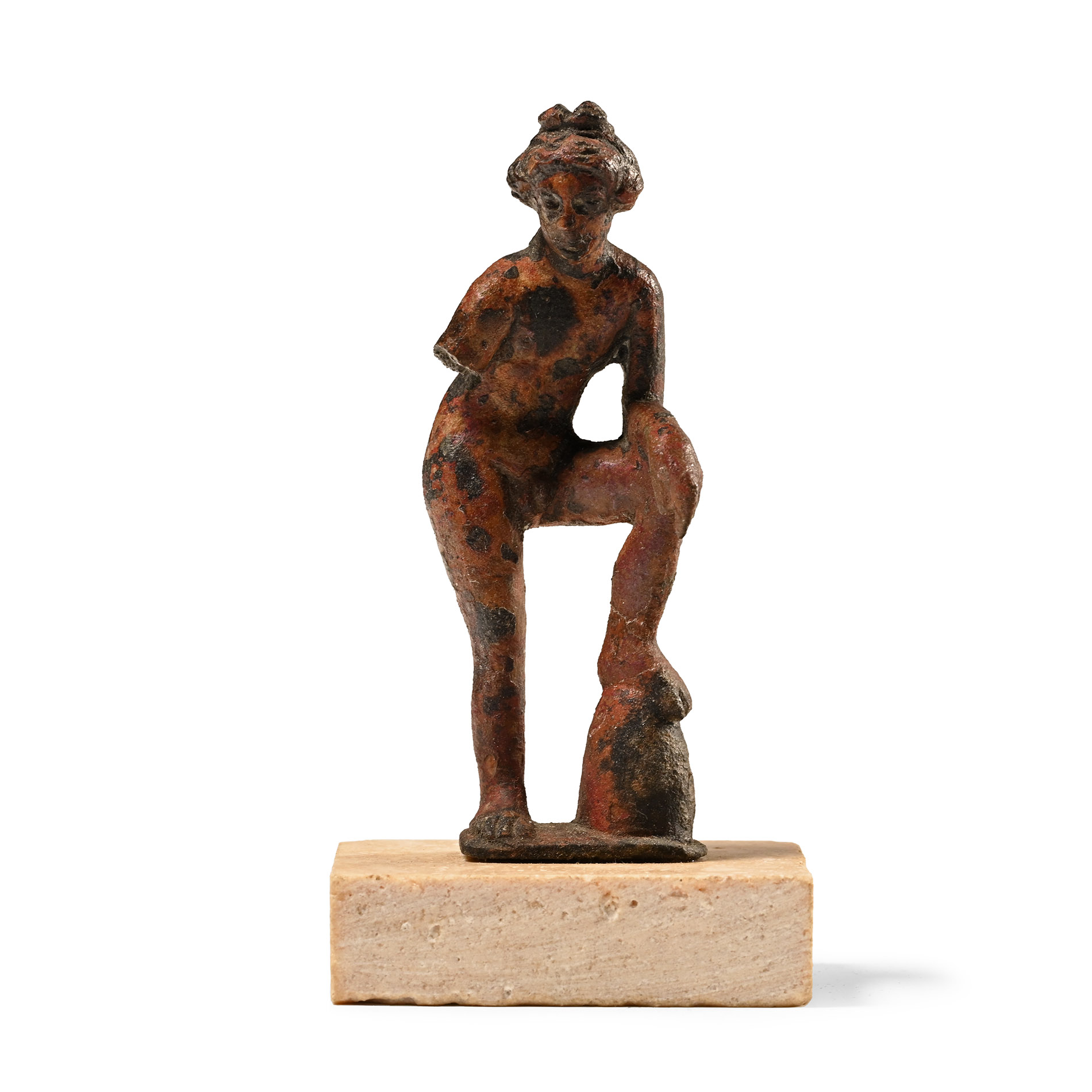
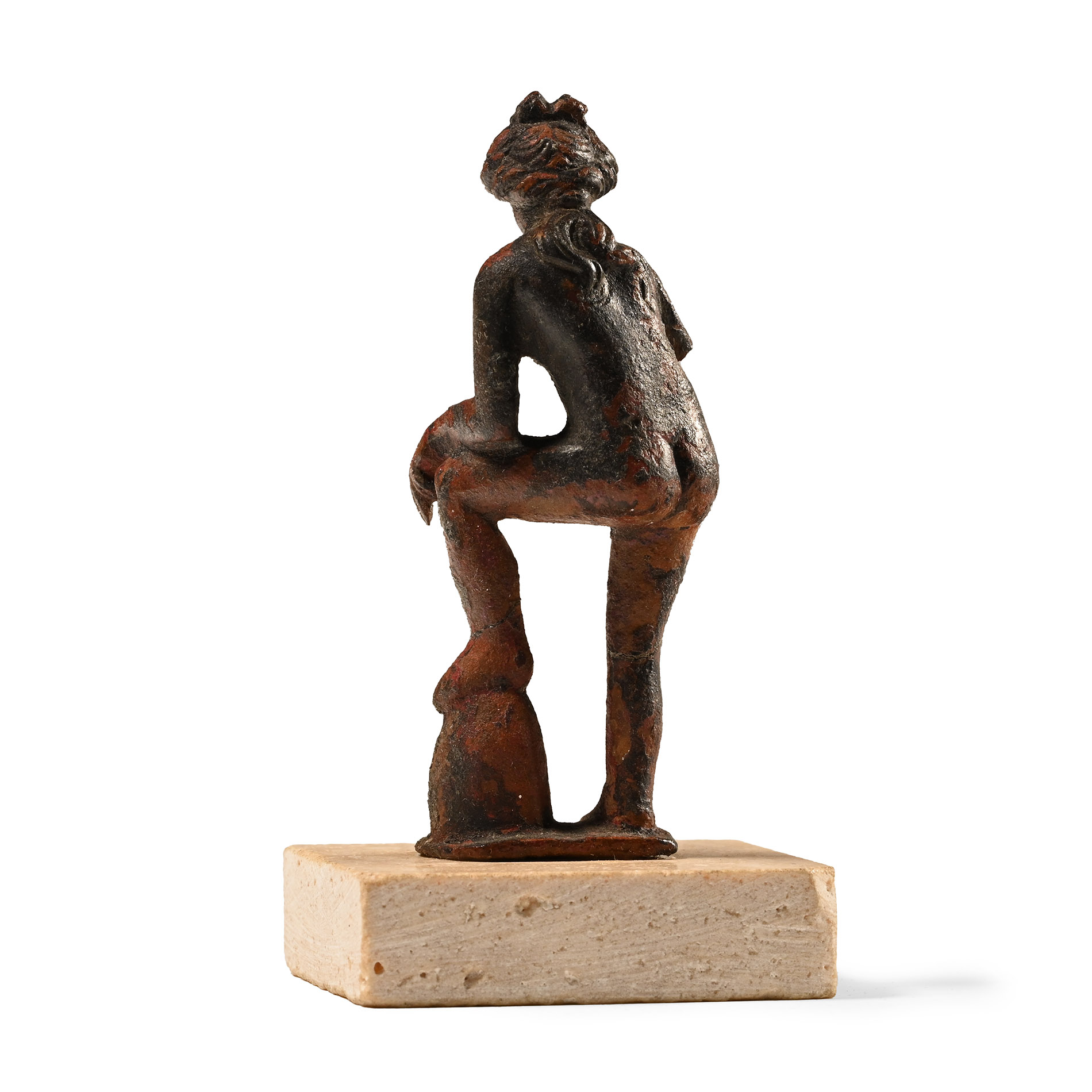
Roman Bronze Apollo Statuette
1ST-2ND CENTURY A.D.
3 1/4 in. (115 grams total, 82 mm including stand).
Modelled in the round standing nude with left foot resting on a pillar, the hair dressed in flowing tresses with top-knot; mounted on a custom-made stand. [No Reserve]
ProvenanceFrom a collection acquired on the UK art market from various auction houses and collections mostly before 2000.
From an important Cambridgeshire estate; thence by descent.
Depictions of Apollo in association with the Omphalos usually show him seated upon it, as seen in the coinage of Antigonus I, circa 280-261 B.C.
CONDITIONTimeLine Auctions follows a vetting process to ensure the authenticity and legality of all items, reinforcing our commitment to integrity and responsible trading. Each antiquity, antique, and coin lot undergoes thorough examination by a vetting committee of at least ten external specialists, professional trade association members, scientists, and archaeologists: Our Vetting Process
AUCTIONS:
TimeLine is a leading auction house specialising in antiquities, ancient art, collectables, natural history, coins, medals, and books. Our auctions offer museums, collectors, historians, and enthusiasts the opportunity to acquire unique and historically significant pieces.
-
.jpg)
Roman Mixed Artefact Group
1st-3rd century A.D.Sold for (Inc. bp): £104
Comprising a lunar pendant with incised linear ornament and suspension loop; votive foot; coin of Claudius; coin of Maximian, London mint; tweezers with simple linear ornament; remains of an equal-arm brooch; lid from a seal box; discoid stud; remains of an implement; bezel and shoulders from a finger ring; stamped lead bar, possibly reading 'IOVIA' 'MARIN'(?). 60 grams total, 18-50 mm
Acquired on the UK market, 1990s. Property of a retired academic. -
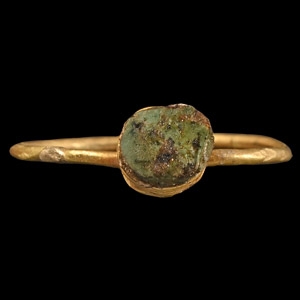
Roman Gold Ring with Turquoise
1st-4th century A.D.Sold for (Inc. bp): £176
Slender shank, gold cell with corrugated rim, inset turquoise stud. 0.68 grams, 18.61 mm overall, 13.15 mm internal diameter
Ex property of a late Japanese collector, 1970-2000s. -
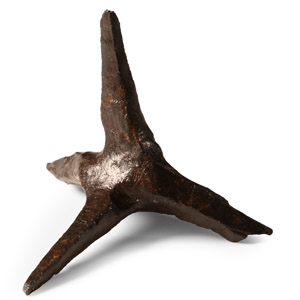
Roman Iron Caltrop
4th century A.D. or laterSold for (Inc. bp): £143
Hand-forged with square-section spikes. 8.74 grams, 42 mm
From the collection of the famous author, writer and speaker, Gordon Bailey, Essex, UK; formed since 1968.
Caltrops have been recovered from Roman sites where military action took place, and from medieval fortresses areas. Caltrops were used to slow down an enemy infantry attack, and were a deterrent to mounted soldiers.
