
Loading, please wait...
LOT 0767
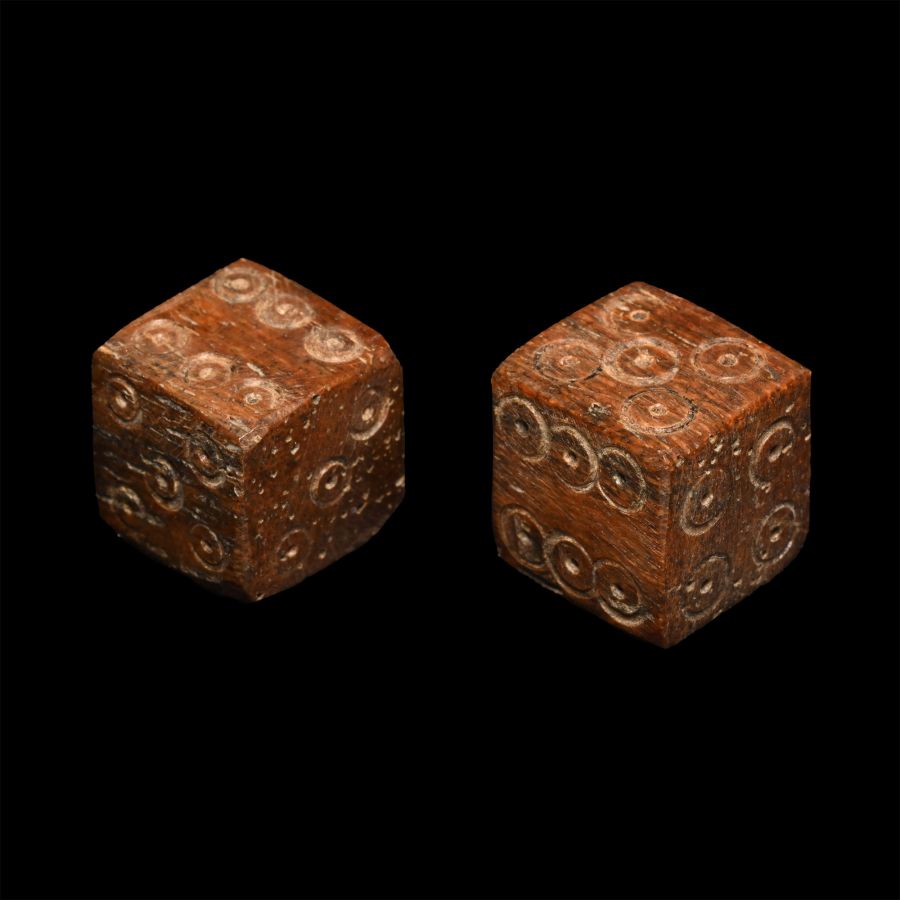
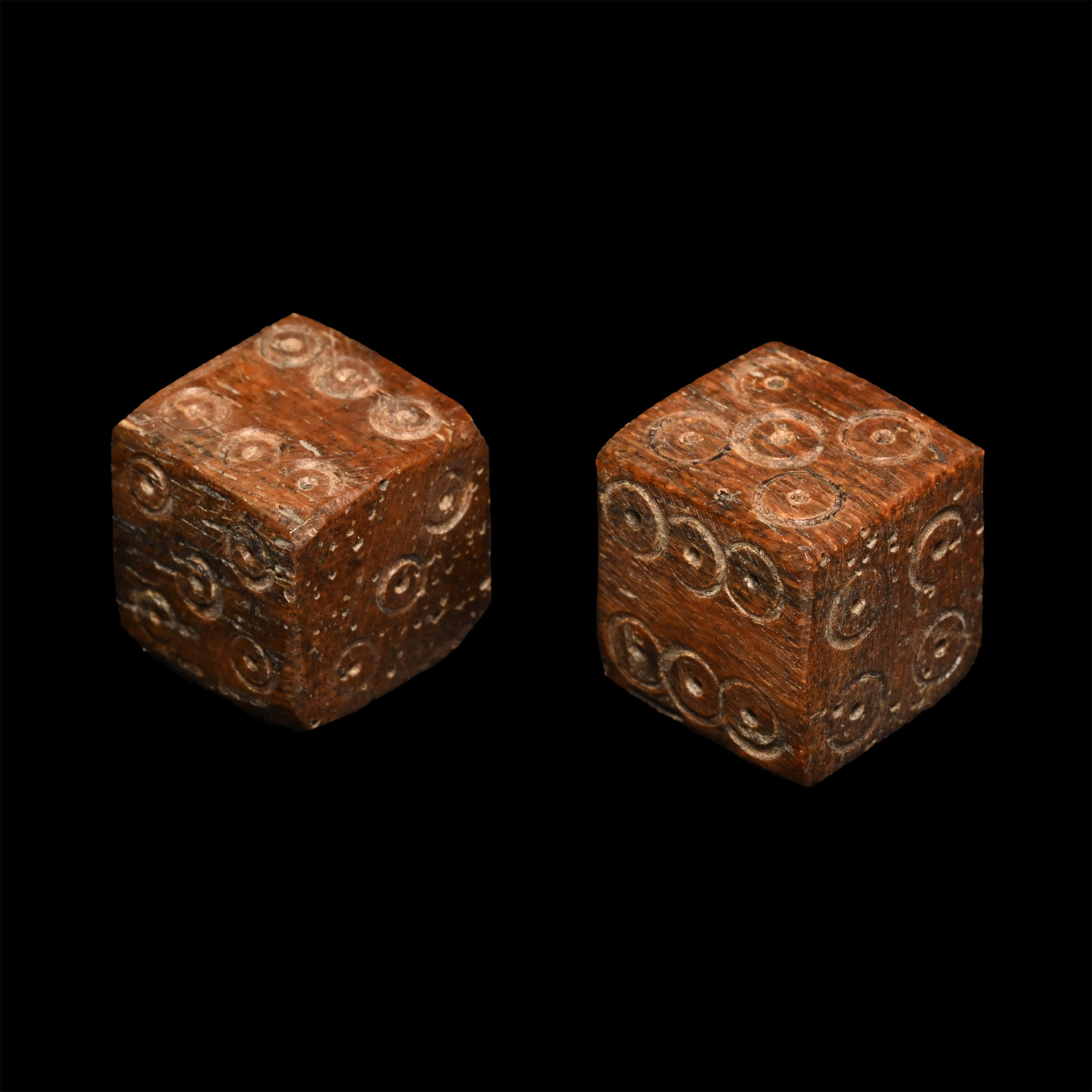
Roman Bone Dice Pair
1ST-4TH CENTURY A.D.
1/2 in. (7.07 grams, 12 mm each).
Each cuboid with ring-and-dot markings arranged 1:6, 2:5; 3:4. [2, No Reserve]
ProvenanceEx German art market, 2000s.
Acquired from an EU collector living in London.
From the collection of a Surrey, UK, gentleman.
This lot is accompanied by an illustrated lot declaration signed by the Head of the Antiquities Department, Dr Raffaele D'Amato.
TimeLine Auctions follows a vetting process to ensure the authenticity and legality of all items, reinforcing our commitment to integrity and responsible trading. Each antiquity, antique, and coin lot undergoes thorough examination by a vetting committee of at least ten external specialists, professional trade association members, scientists, and archaeologists: Our Vetting Process
AUCTIONS:
TimeLine is a leading auction house specialising in antiquities, ancient art, collectables, natural history, coins, medals, and books. Our auctions offer museums, collectors, historians, and enthusiasts the opportunity to acquire unique and historically significant pieces.
-
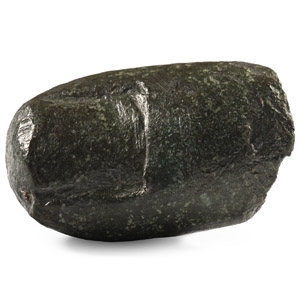
Roman Bronze Life-Size Statue Thumb
1st-4th century A.D.Sold for (Inc. bp): £260
Comprising the tip of the thumb with natural nail detailing. 64.4 grams, 33 mm
Ex German art market, 2000s. Acquired from an EU collector living in London. From the collection of a Surrey, UK, gentleman. This lot is accompanied by an illustrated lot declaration signed by the Head of the Antiquities Department, Dr Raffaele D'Amato. -
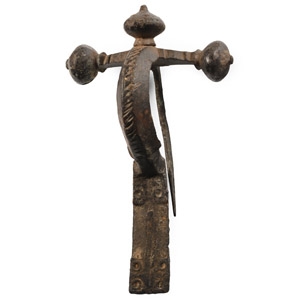
Roman Bronze Crossbow Brooch
4th century A.D.Sold for (Inc. bp): £52
With onion-knop finials, deep bow with hatched band, long footplate with ring-and-dot motifs; hinged pin. 41 grams, 77 mm
Ex German art market, 2000s. Acquired from an EU collector living in London. From the collection of a Surrey, UK, gentleman. This lot is accompanied by an illustrated lot declaration signed by the Head of the Antiquities Department, Dr Raffaele D'Amato. -
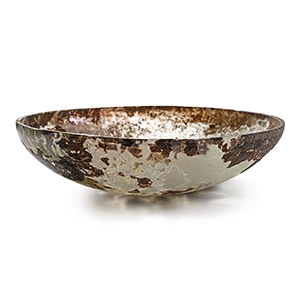
Roman Cast Glass Dish
1st century A.D.Sold for (Inc. bp): £1,040
With shallow convex body and slightly inturned rim; iridescent surface. 161 grams, 16.5 cm
From an important London collection of glass, 1990s. This lot is accompanied by an illustrated lot declaration signed by the Head of the Antiquities Department, Dr Raffaele D'Amato.
