
Loading, please wait...
LOT 0112
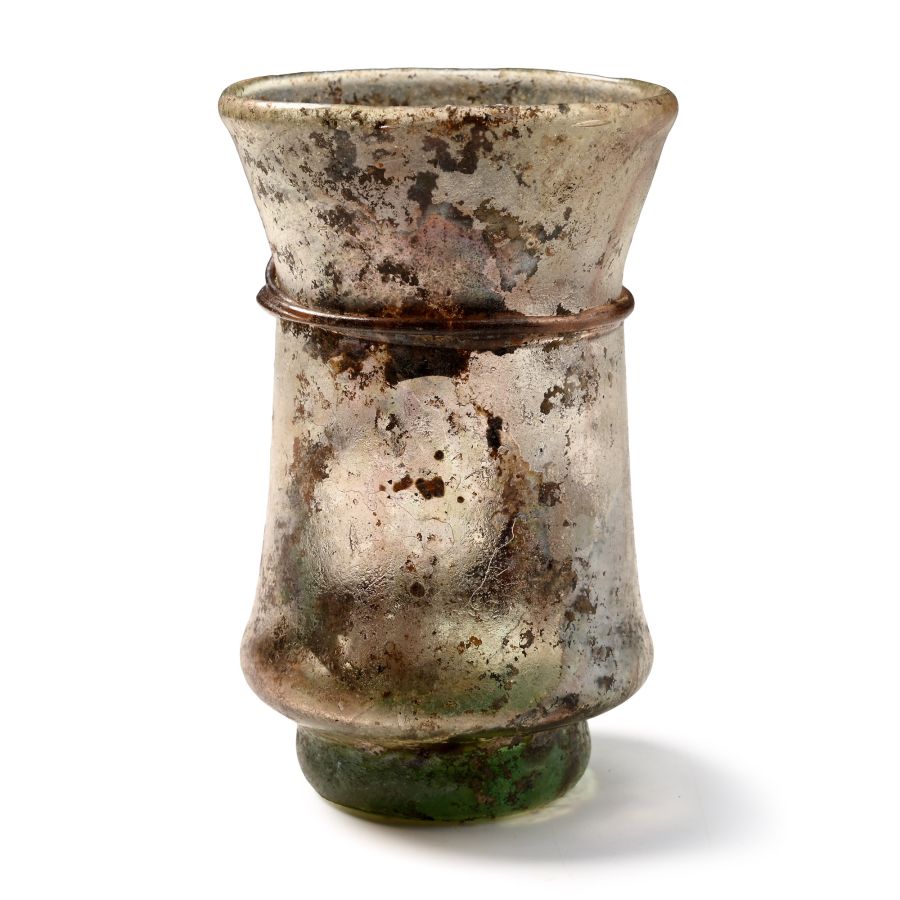
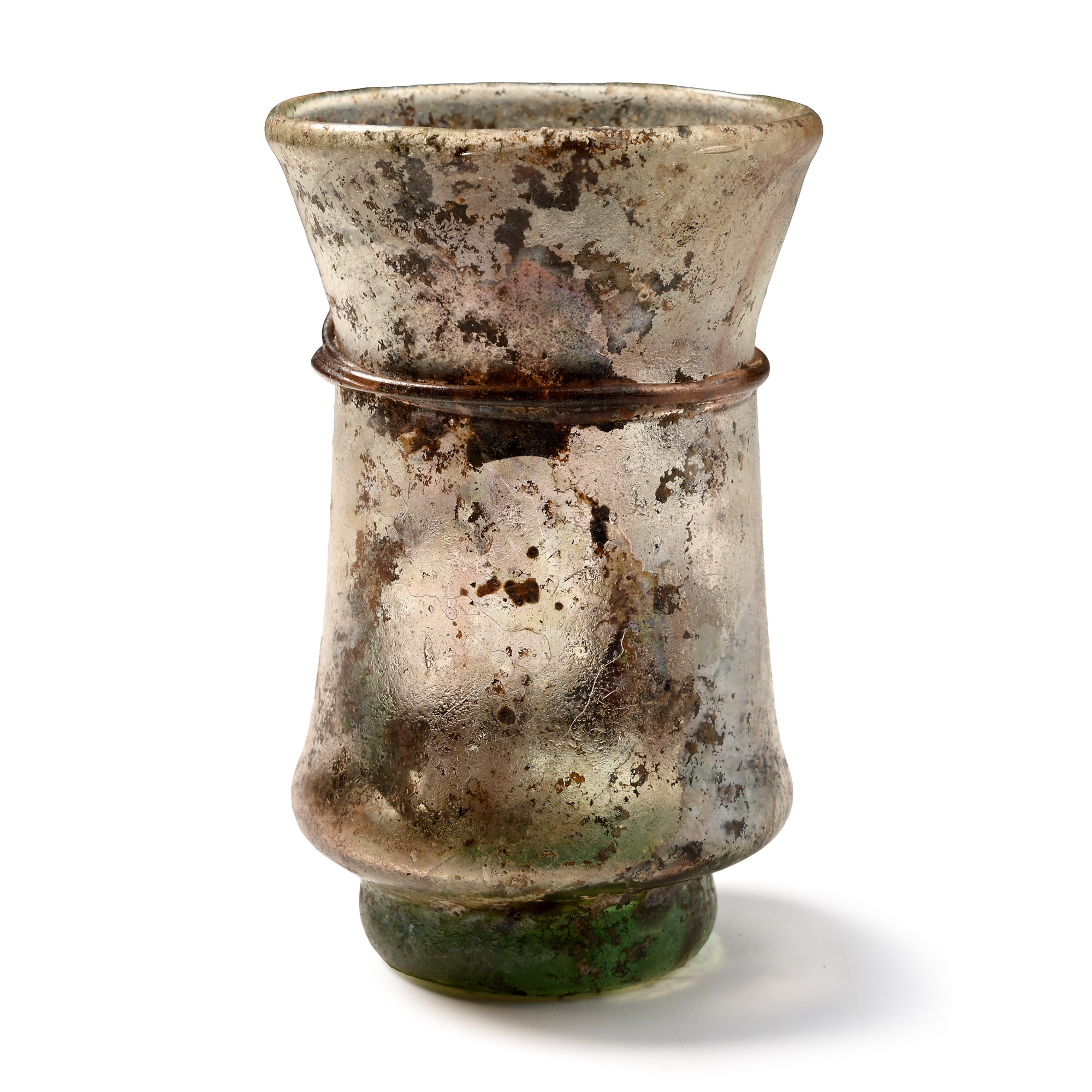
Roman Blue-Green Glass Cup
3RD CENTURY A.D.
3 1/8 in. (42 mm, 78 mm).
With dimpled base, carinated flange to foot and waisted body with applied trail beneath the shoulder, flared rim.
ProvenanceFrom an important collection of glass, London, UK, 1990s.
LiteratureCf. The Metropolitan Museum, accession number 17.193.346, for similar.
CONDITIONTimeLine Auctions follows a vetting process to ensure the authenticity and legality of all items, reinforcing our commitment to integrity and responsible trading. Each antiquity, antique, and coin lot undergoes thorough examination by a vetting committee of at least ten external specialists, professional trade association members, scientists, and archaeologists: Our Vetting Process
AUCTIONS:
TimeLine is a leading auction house specialising in antiquities, ancient art, collectables, natural history, coins, medals, and books. Our auctions offer museums, collectors, historians, and enthusiasts the opportunity to acquire unique and historically significant pieces.
-
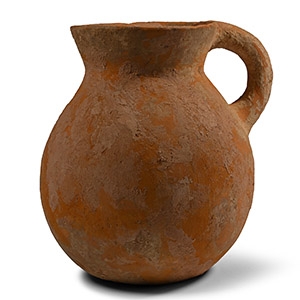
Roman Terracotta Jug with Flared Rim
1st-4th century A.D.Sold for (Inc. bp): £91
With a bulbous body and trumpet-shaped neck, handle to the rear. 736 grams, 17.5 cm
Ex London art market 1990s. From a London, UK, collection. This lot is accompanied by an illustrated lot declaration signed by the Head of the Antiquities Department, Dr Raffaele D’Amato. -
.jpg)
Roman Terracotta Oil Lamp with Erotic Scene
1st-2nd century A.D.Sold for (Inc. bp): £390
Discoid in plan with short nozzle, broad shoulder with impressed rosettes, discus with scene of two lovers in a bed; underside with concentric rings. 51 grams, 87 mm
Acquired on the UK art market before 2000. Property of an Essex, UK, gentleman. -
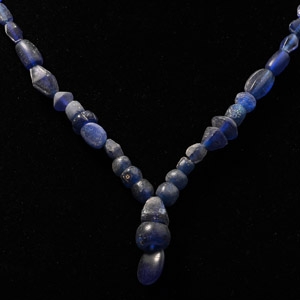
Roman Deep Blue Glass Bead Necklace String
1st-4th century A.D. and laterSold for (Inc. bp): £65
Restrung designer necklace string of tubular, polyhedral and other types with pendant centrepiece. 21.77 grams, 35 cm
London, UK, collection, 2000s.
