
Loading, please wait...
LOT 0710
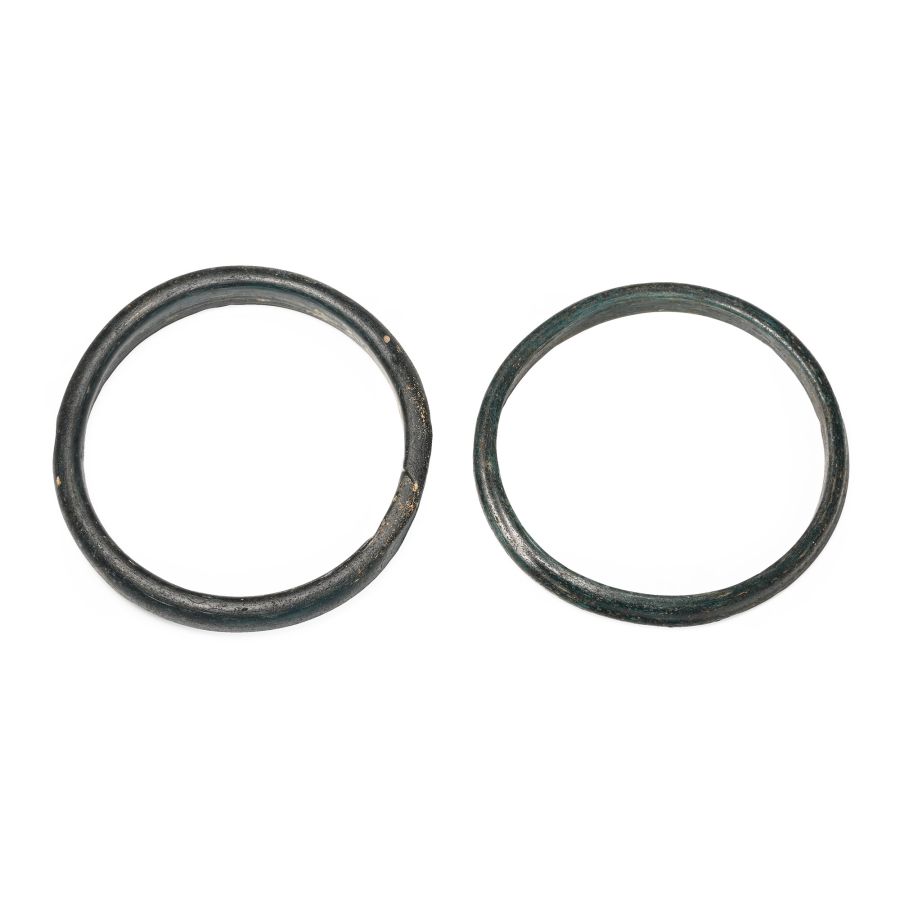
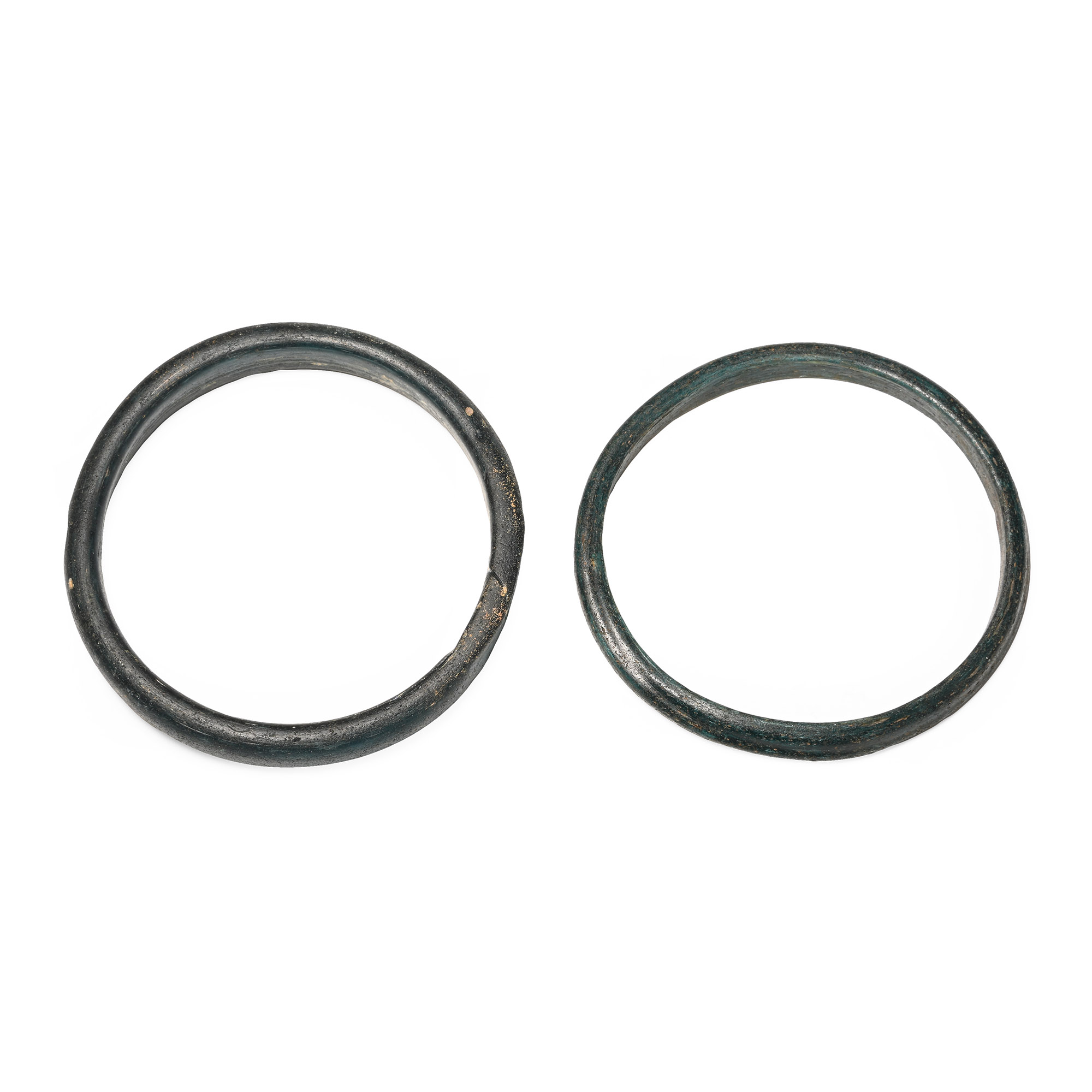
Roman Blue Glass Bangle Pair
1ST-4TH CENTURY A.D.
2 3/4 in. (34 grams total, 70-71 mm).
Each elliptical in section in blue-tinted glass. [2]
ProvenanceAcquired on the UK art market in the late 20th century A.D.
From the private collection of the late David King (1940-2024), Hoddesdon, Hertfordshire, UK.
Cf. Kunstmuseum Luzern, 3000 Jahre Glaskunst, Luzern, 1981, p.103, B, for similar.
CONDITIONTimeLine Auctions follows a vetting process to ensure the authenticity and legality of all items, reinforcing our commitment to integrity and responsible trading. Each antiquity, antique, and coin lot undergoes thorough examination by a vetting committee of at least ten external specialists, professional trade association members, scientists, and archaeologists: Our Vetting Process
AUCTIONS:
TimeLine is a leading auction house specialising in antiquities, ancient art, collectables, natural history, coins, medals, and books. Our auctions offer museums, collectors, historians, and enthusiasts the opportunity to acquire unique and historically significant pieces.
LOT 0710
Roman Blue Glass Bangle Pair
Estimate £100 - 140€120 - 160 (for guidance only)$140 - 190 (for guidance only)
-
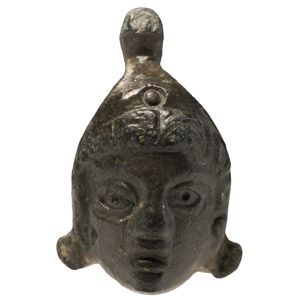
Roman Bronze Head of Mithras
2nd-3rd century A.D.Sold for (Inc. bp): £85
With Phrygian cap worn with the point pulled forward, impressed annulets, large lentoid eyes; mounted on a custom-made stand. 34 grams total, head: 23 mm
Ex Norri collection, Milton Keynes, UK, 1980s-1990s. -
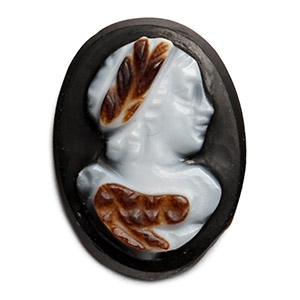
Roman Banded Agate Cameo with Bust of Cupid
2nd century A.D.Sold for (Inc. bp): £1,170
With a bust of Cupid, the god of love, facing right; supplied with a museum-quality impression. 0.41 grams, 13 mm
Private English collection, formed between the late 1970s and early 1990s. Private collection, London, UK. -
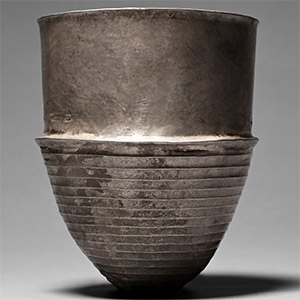
Roman or Gandharan Silver Carinated Cup
Circa late 1st century B.C.-early 1st century A.D.Estimate: £3,000 - 4,000 (+bp*)
Opening Bid: £1,400
Formed from a single sheet, the ovoid base carinated with plain upper portion, slightly flared lip to the rim. 95 grams, 10.4 cm
Acquired from a private UK collection prior to 1979. Ex Julian Sherrier collection, a leading figure in Gandharan art. with Christie's, New York, sale 2337, 14th September 2010, no.56A (part). Accompanied by the original Christie's lot ticket. This lot has been checked against the Interpol Database of stolen works of art and is accompanied by search certificate number no.12961-244455.
