
Loading, please wait...
LOT 0875
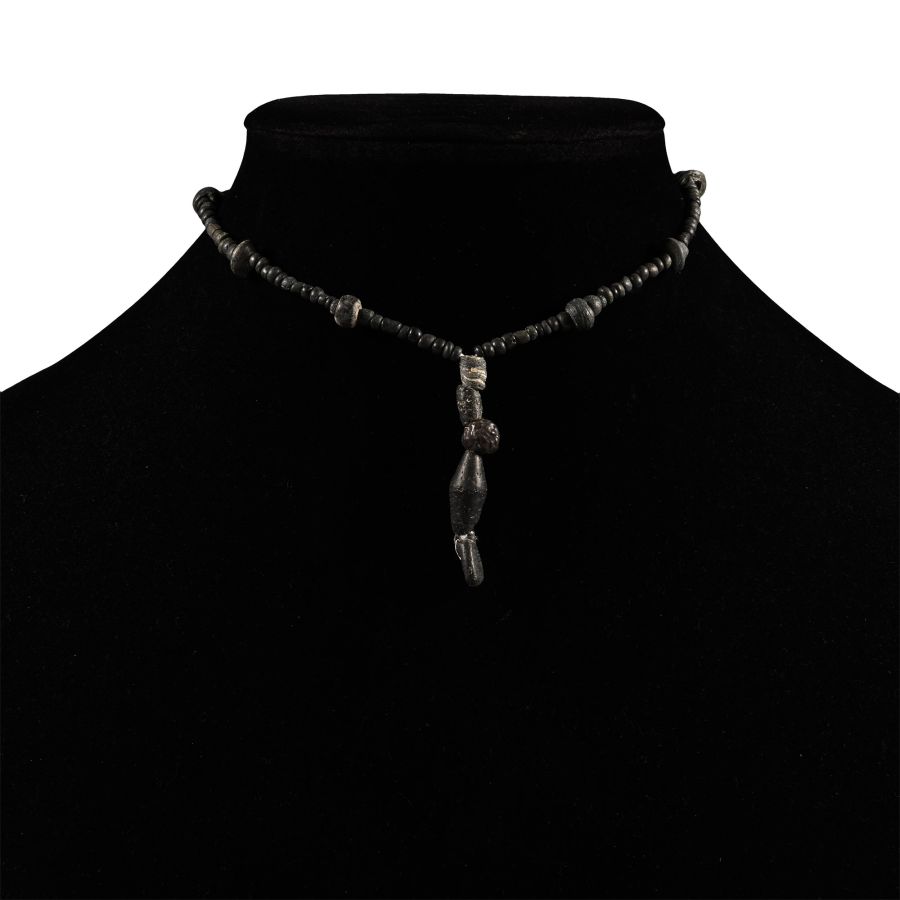
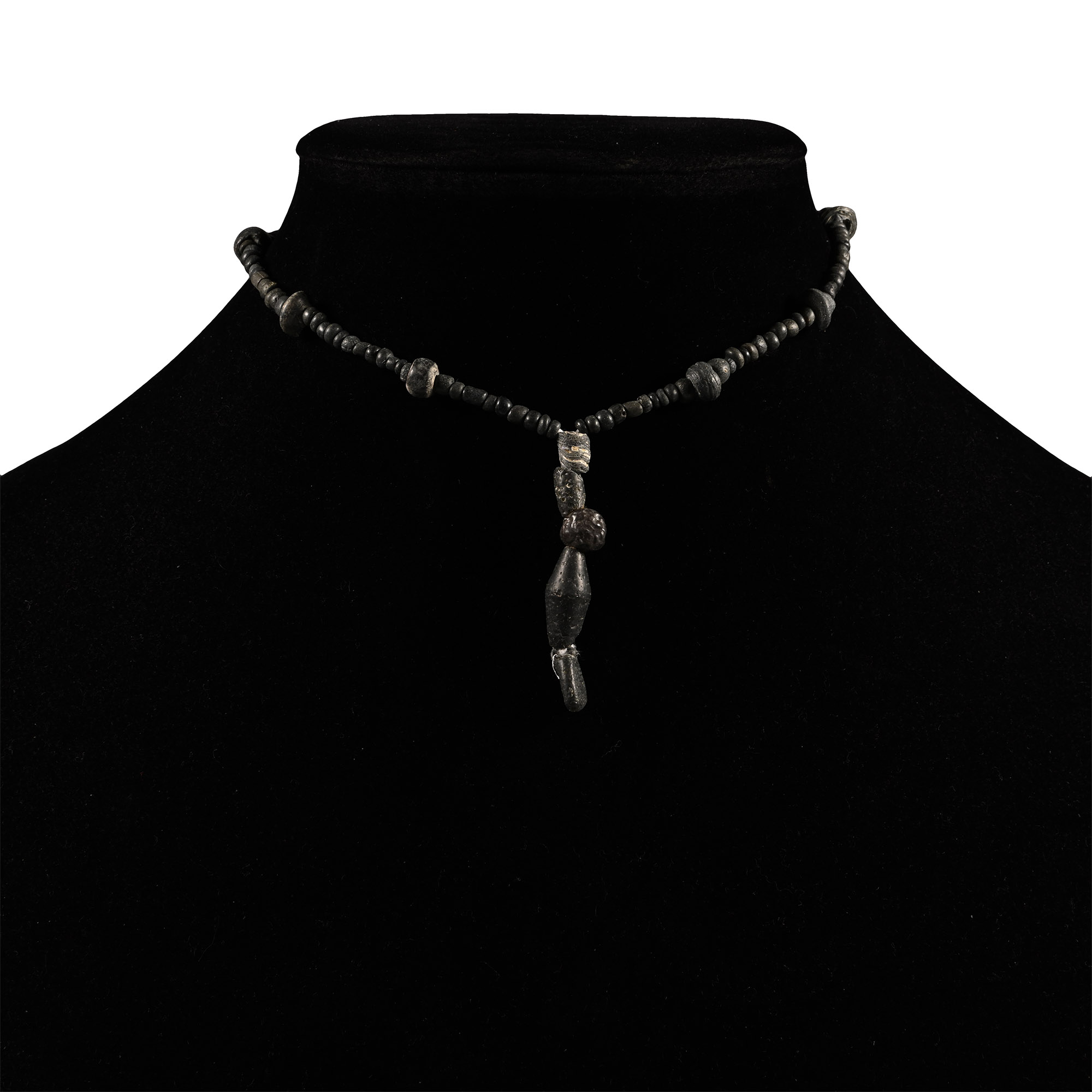
Roman Black Glass Bead Necklace String
1ST-4TH CENTURY A.D. AND LATER
11 3/4 in. (8.79 grams, 30 cm).
Restrung group of biconical, cylindrical and other beads. [No Reserve]
ProvenanceEx London, UK, collection, 1990s.
This lot is accompanied by an illustrated lot declaration signed by the Head of the Antiquities Department, Dr Raffaele D'Amato.
TimeLine Auctions follows a vetting process to ensure the authenticity and legality of all items, reinforcing our commitment to integrity and responsible trading. Each antiquity, antique, and coin lot undergoes thorough examination by a vetting committee of at least ten external specialists, professional trade association members, scientists, and archaeologists: Our Vetting Process
AUCTIONS:
TimeLine is a leading auction house specialising in antiquities, ancient art, collectables, natural history, coins, medals, and books. Our auctions offer museums, collectors, historians, and enthusiasts the opportunity to acquire unique and historically significant pieces.
-
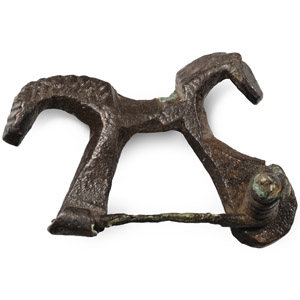
Roman Bronze Double Horse Brooch
2nd century A.D.Sold for (Inc. bp): £78
Bow brooch formed as an arch with addorsed horse-heads with notched manes and punched detailing, ferrous pin and spring. 10.56 grams, 42 mm
Ex German art market, 2000s. Acquired from an EU collector living in London. From the collection of a Surrey, UK, gentleman. This lot is accompanied by an illustrated lot declaration signed by the Head of the Antiquities Department, Dr Raffaele D'Amato. -
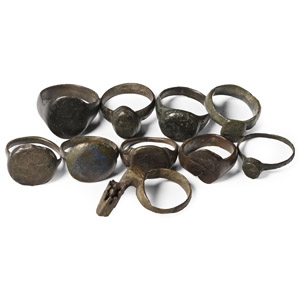
Roman to Medieval Bronze Ring Collection
1st-16th century A.D.Sold for (Inc. bp): £117
Mixed group of rings including a key ring and nine with decorative bezels. 67 grams total, 21-28 mm
Ex German art market, 2000s. Acquired from an EU collector living in London. From the collection of a Surrey, UK, gentleman. This lot is accompanied by an illustrated lot declaration signed by the Head of the Antiquities Department, Dr Raffaele D'Amato. -
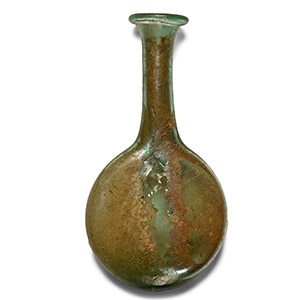
Roman Glass Vessel
1st-2nd century A.D.Estimate: £100 - 140 (+bp*)
Opening Bid: £50
With flattened discoid body and tall neck with flared mouth, applied rim. 20.5 grams, 10.6 cm
From a London, UK, collection, 1990s. This lot is accompanied by an illustrated lot declaration signed by the Head of the Antiquities Department, Dr Raffaele D’Amato. This lot is accompanied by an illustrated lot declaration signed by the Head of the Antiquities Department, Dr Raffaele D'Amato.
