
Loading, please wait...


LOT 0151
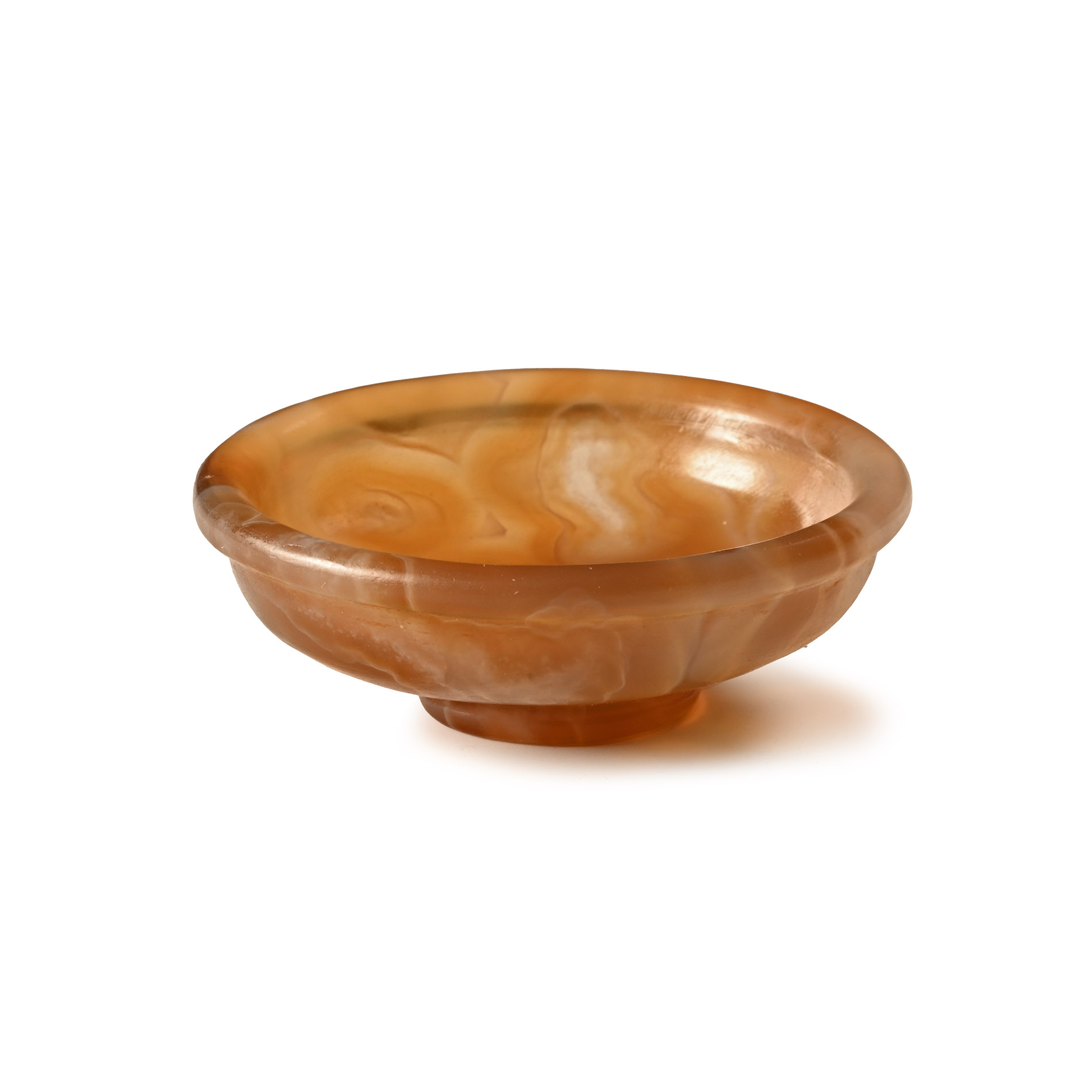
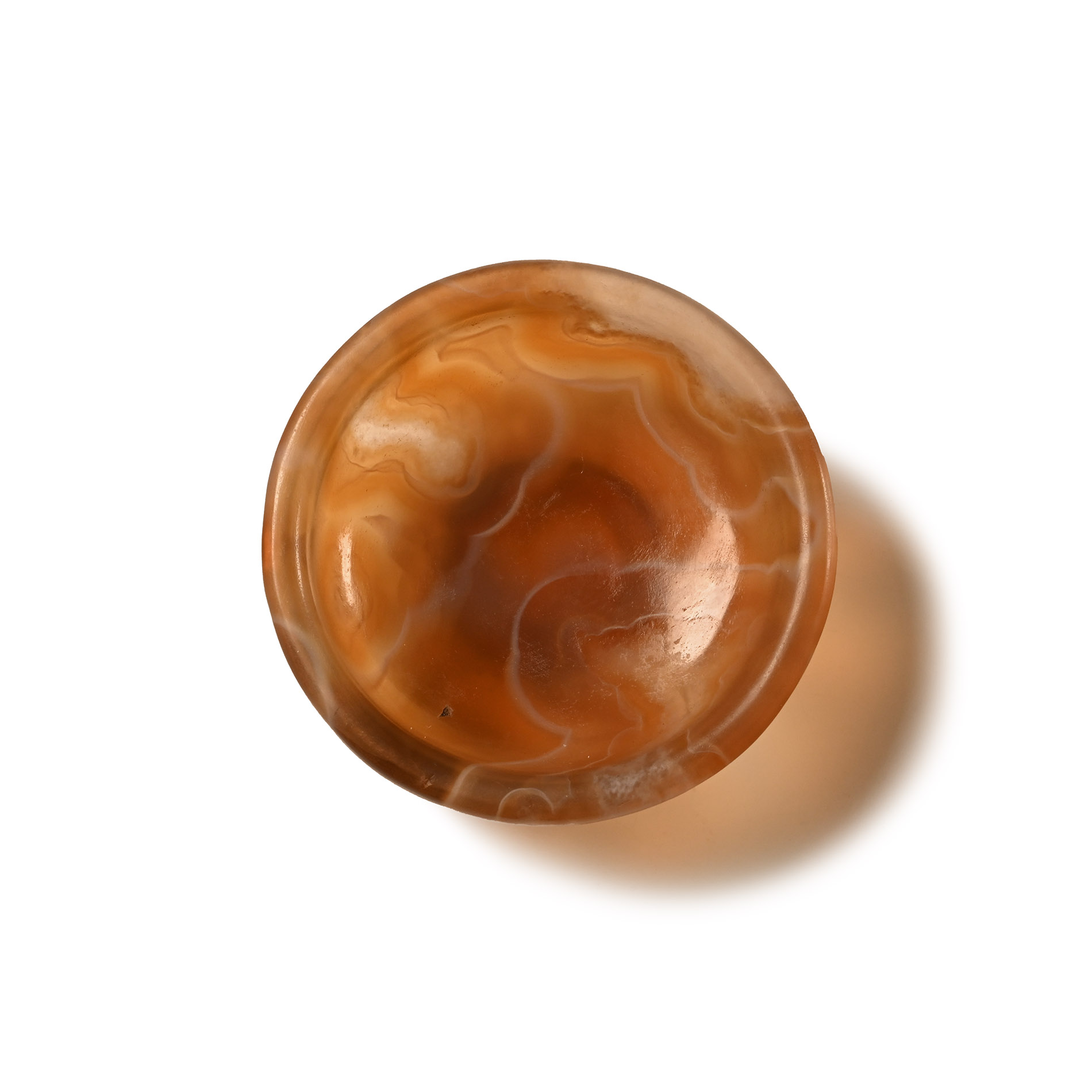
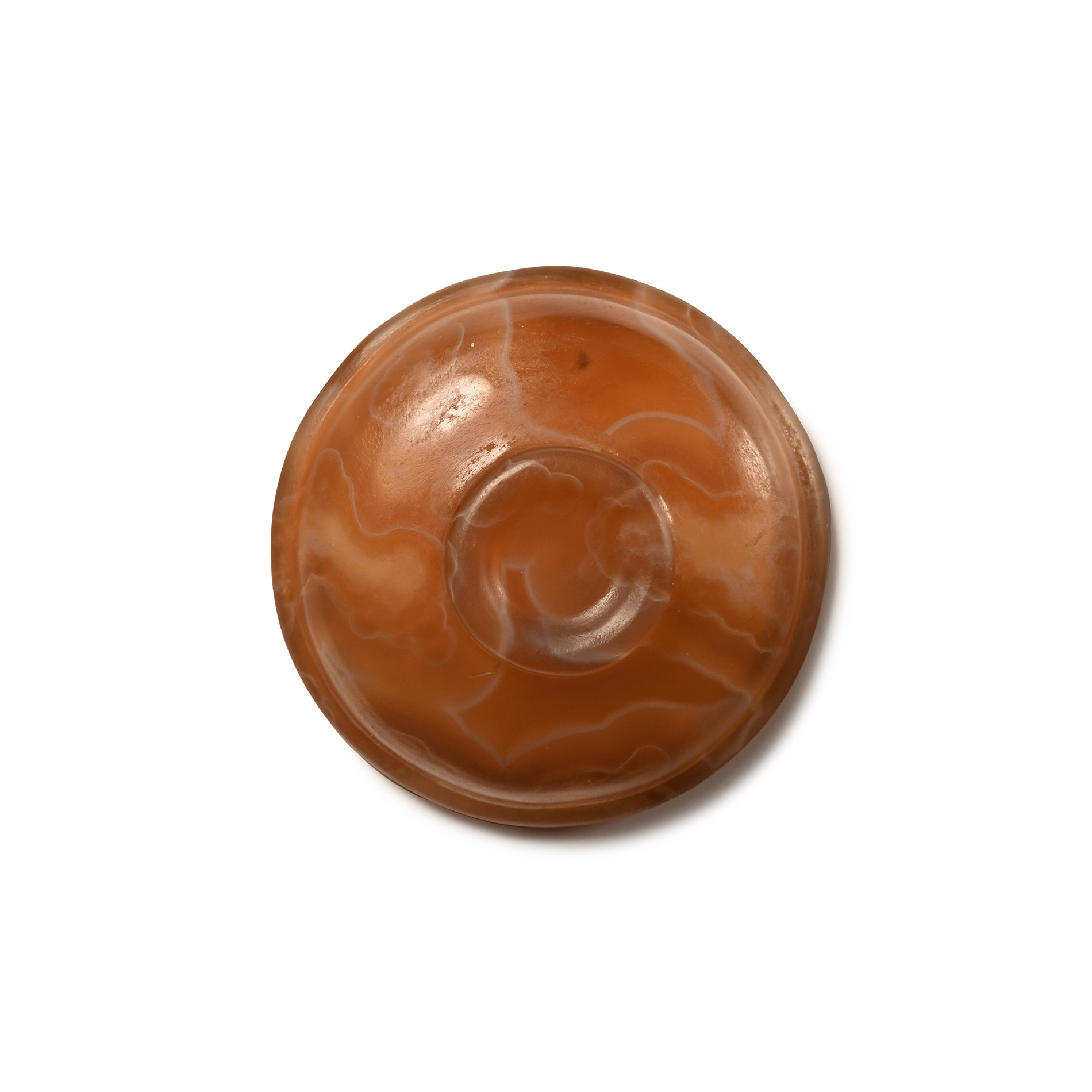
Roman Banded Agate Dish
1ST CENTURY B.C.-1ST CENTURY A.D.
1 3/4 in. (20.5 grams, 46 mm).
Of low conical form with everted rim and rounded shoulder, raised low foot.
ProvenanceFrom the Broumis family collection.
In the ownership of a scientific donation fund.
with Pierre Berge, 17 June 2010, no.248.
Acquired on the French art market.
This lot has been checked against the Interpol Database of stolen works of art and is accompanied by search certificate number no.12171-220731.
TimeLine Auctions follows a vetting process to ensure the authenticity and legality of all items, reinforcing our commitment to integrity and responsible trading. Each antiquity, antique, and coin lot undergoes thorough examination by a vetting committee of at least ten external specialists, professional trade association members, scientists, and archaeologists: Our Vetting Process
AUCTIONS:
TimeLine is a leading auction house specialising in antiquities, ancient art, collectables, natural history, coins, medals, and books. Our auctions offer museums, collectors, historians, and enthusiasts the opportunity to acquire unique and historically significant pieces.
LOT 0151
Roman Banded Agate Dish
Estimate £4,000 - 6,000€4,640 - 6,960 (for guidance only)$5,400 - 8,100 (for guidance only)
-
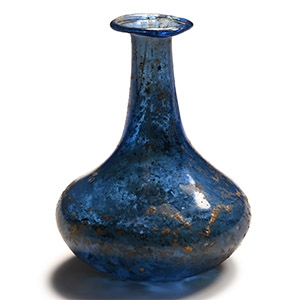
Roman Cobalt Blue Glass Bottle
1st-2nd century A.D.Sold for (Inc. bp): £975
With broad body and dimpled base, swept curve shoulder and tapering neck, everted rolled rim. 12.1 grams, 63 mm
UK private collection before 2000. Acquired on the UK art market. Property of a London gentleman. -
.jpg)
Roman Bronze Decorated Bracelet
1st-3rd century A.D.Sold for (Inc. bp): £117
Composed of a D-section hoop, flattened terminals with rounded ends decorated with horizontal rows of shallow dots and quatrefoils between parallel tracks. 17 grams, 53 mm wide
German art market, 1990s. Mr A.H., a North American collector living in the UK. -
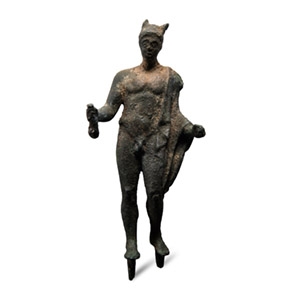
Roman Bronze Statuette of Mercury
1st-2nd century A.D.Estimate: £700 - 900 (+bp*)
Opening Bid: £350
Modelled standing nude wearing the winged petasos and with a bag of coins in his extended right hand, mantle over his left shoulder; attachment peg to the underside of each foot. 209 grams, 12.6 cm
English private collection.
