
Loading, please wait...
LOT 0592
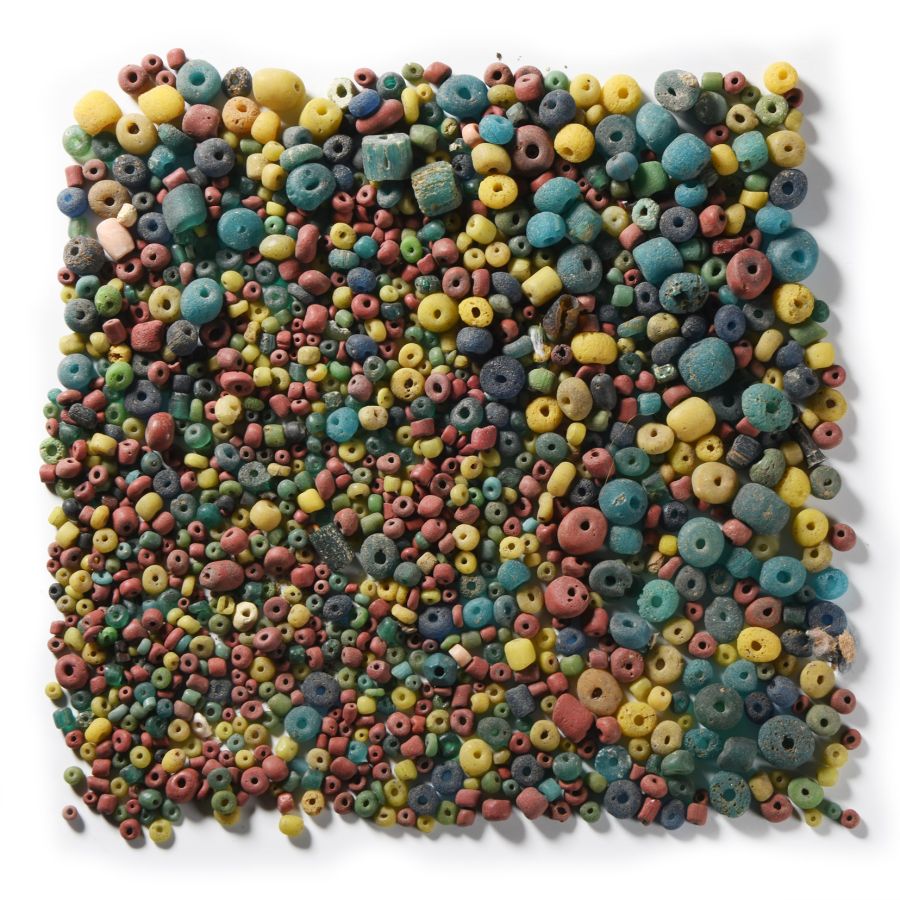
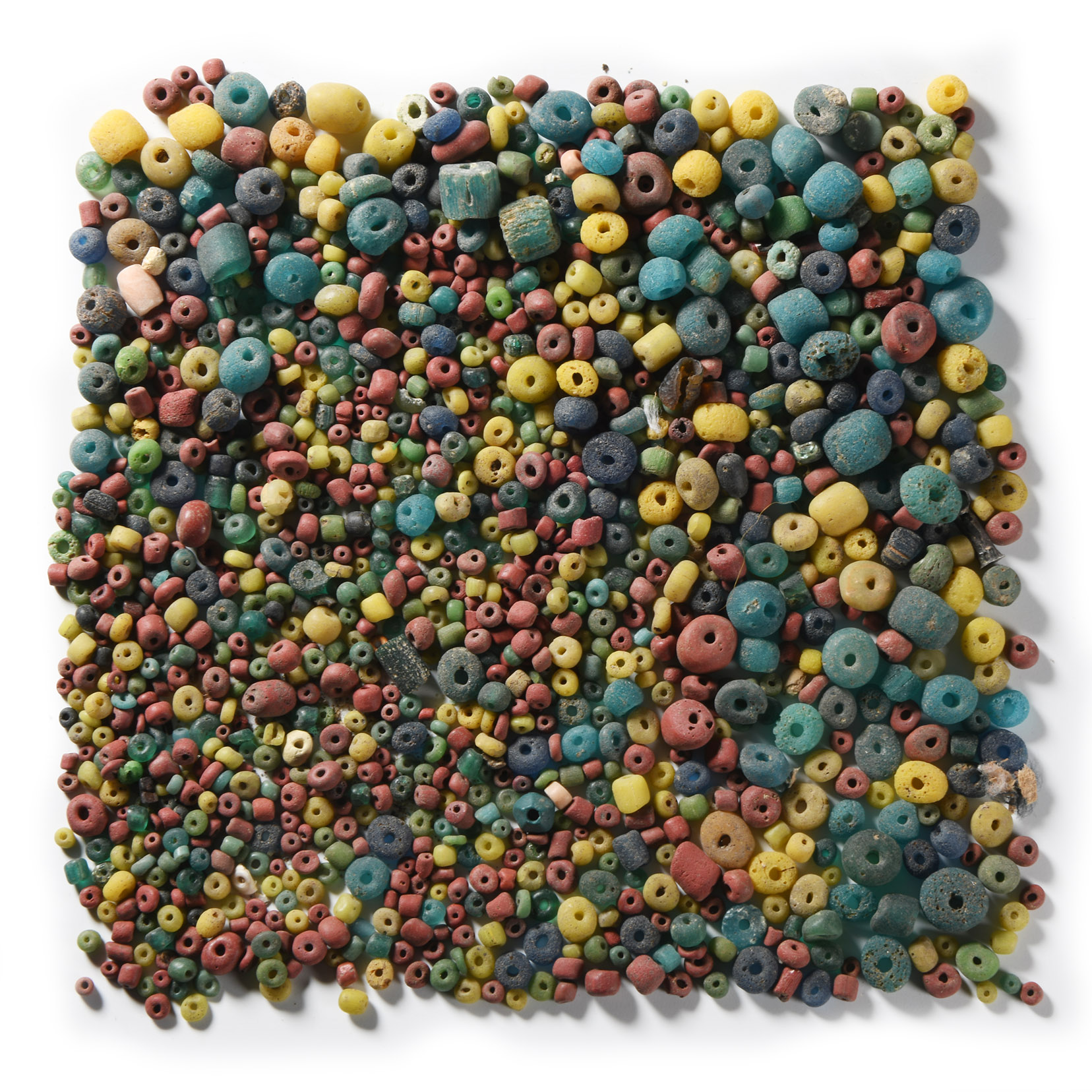
Roman and Other Mixed Glass Bead Group
1ST-4TH CENTURY A.D. AND LATER
1/8 - 3/8 in. (140 grams total, 1-9 mm).
Including spherical, annular and other types including some 'trade wind beads'. [750+, No Reserve]
ProvenanceFrom the private collection of the late Mrs Belinda Ellison, a long time member of the Egyptian Exploration Society, c.1940-2020.
CONDITIONTimeLine Auctions follows a vetting process to ensure the authenticity and legality of all items, reinforcing our commitment to integrity and responsible trading. Each antiquity, antique, and coin lot undergoes thorough examination by a vetting committee of at least ten external specialists, professional trade association members, scientists, and archaeologists: Our Vetting Process
AUCTIONS:
TimeLine is a leading auction house specialising in antiquities, ancient art, collectables, natural history, coins, medals, and books. Our auctions offer museums, collectors, historians, and enthusiasts the opportunity to acquire unique and historically significant pieces.
-
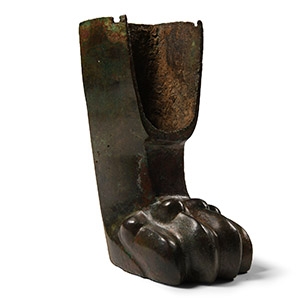
Roman Bronze Gryphon Lectus Foot
1st-2nd century A.D.Sold for (Inc. bp): £364
Hollow-formed foot for a lectus couch, the upper square in plan with tongue-shaped opening to the forward face, and vertical strap to the reverse; the foot with four curved claws, bulb knuckles above; open to the underside 558 grams, 11.2 cm
Acquired from Munich and London, 1990s. From the collection of a London, UK, gentleman. -
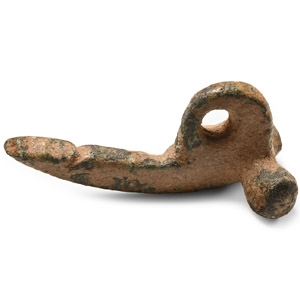
Roman Bronze Phallic Pendant
1st-2nd century A.D.Sold for (Inc. bp): £59
Modelled as an elongated phallus with lateral testis, integral suspension loop above. 10 grams, 36 mm
UK private collection before 2000. On the UK art market. Property of a London gentleman. -
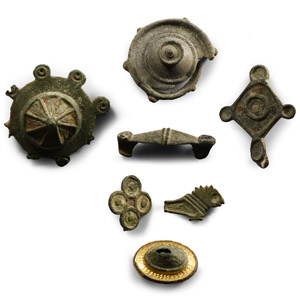
Roman Bronze Mixed Brooch Group
Circa 2nd century A.D.Sold for (Inc. bp): £98
Including lion, umbonate, equal-ended and other types. 36.1 grams total, 20-35 mm
Found Wiltshire, UK, before 1974.
