
Loading, please wait...
LOT 0825
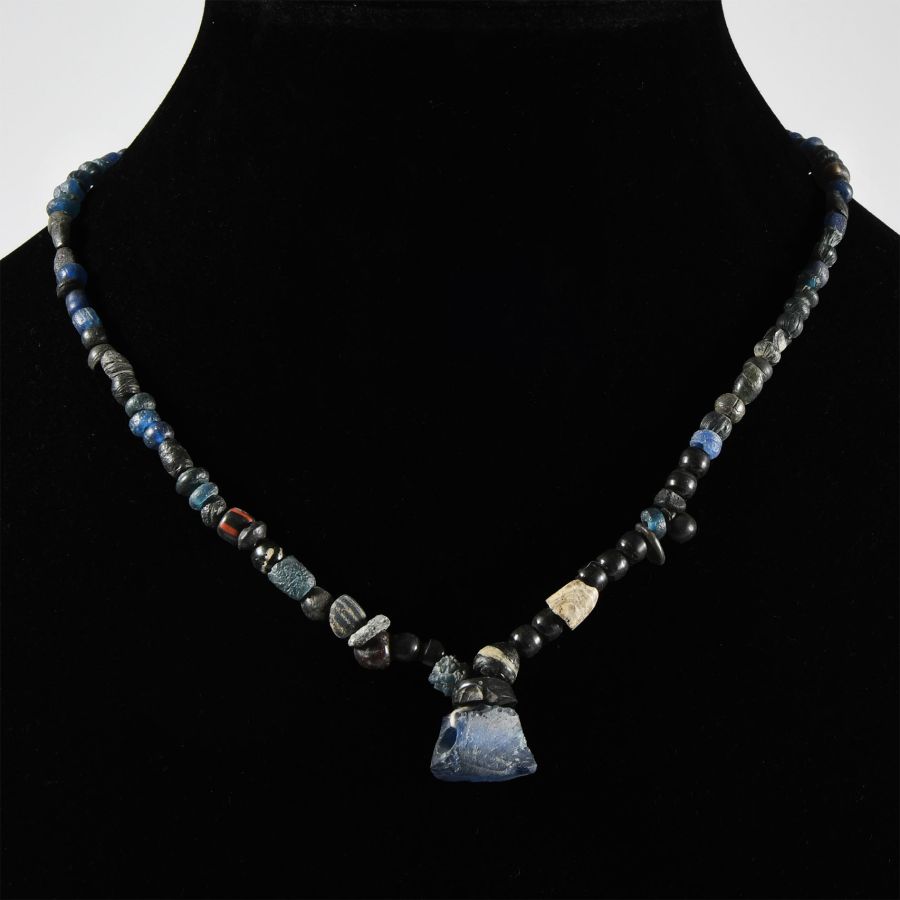
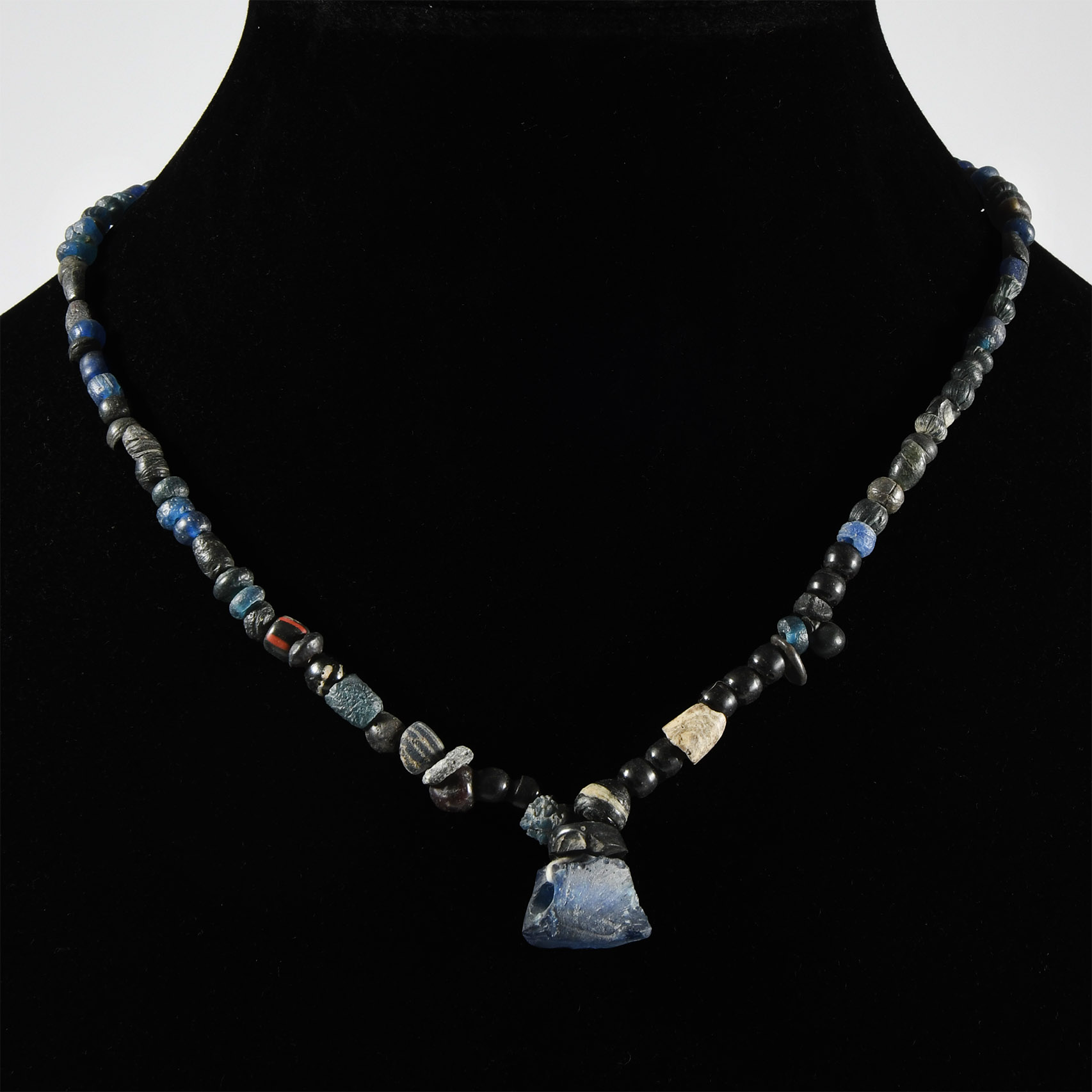
Roman and Other Bead Necklace
1ST-4TH CENTURY A.D. AND LATER
14 1/2 in. (15.5 grams, 37 cm).
Restrung designer necklace with oblate, melon and other beads, the centrepiece a wedge-shaped glass fragment. [No Reserve]
ProvenanceAcquired on the London, UK, art market in the 1990s.
Ex London, UK, gallery.
TimeLine Auctions follows a vetting process to ensure the authenticity and legality of all items, reinforcing our commitment to integrity and responsible trading. Each antiquity, antique, and coin lot undergoes thorough examination by a vetting committee of at least ten external specialists, professional trade association members, scientists, and archaeologists: Our Vetting Process
AUCTIONS:
TimeLine is a leading auction house specialising in antiquities, ancient art, collectables, natural history, coins, medals, and books. Our auctions offer museums, collectors, historians, and enthusiasts the opportunity to acquire unique and historically significant pieces.
-
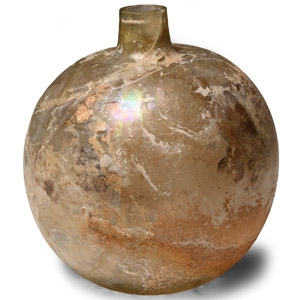
Large Roman Glass Vessel
1st-4th century A.D.Sold for (Inc. bp): £364
Spherical in form with shallow dimple base, short cut neck, circumferential incised bands to the shoulder and equator. 126 grams, 14 cm
From the collection of a late East Anglian teacher and antiquarian who retired to the Isle of Wight in Hampshire, UK. He amassed a large collection of objects between the 1960s-1980s. -
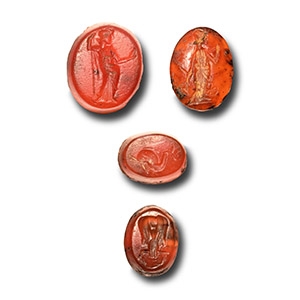
Roman Carnelian Gemstone Collection
2nd-4th century A.D.Sold for (Inc. bp): £416
Two with intaglio standing figure, one with a dolphin and one with a scarab. 1.2 grams total, 8-10 mm
From the Altstetton collection, Switzerland, 1969. -
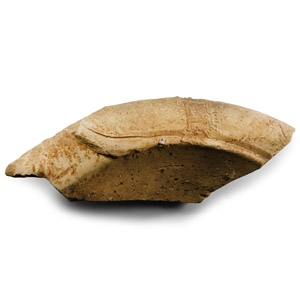
Romano-British Mortarium Sherd with Makers Mark
1st-4th century A.D.Sold for (Inc. bp): £1
Creamware fragment of rim with reserved stamp 'AVG[..] / SVL[..]'. 515 grams, 24 cm
Found UK, possibly from Colchester, Essex. From the collection of a late East Anglian teacher and antiquarian who retired to the Isle of Wight in Hampshire, UK. He amassed a large collection of objects between the 1960s-1980s.
