
Loading, please wait...


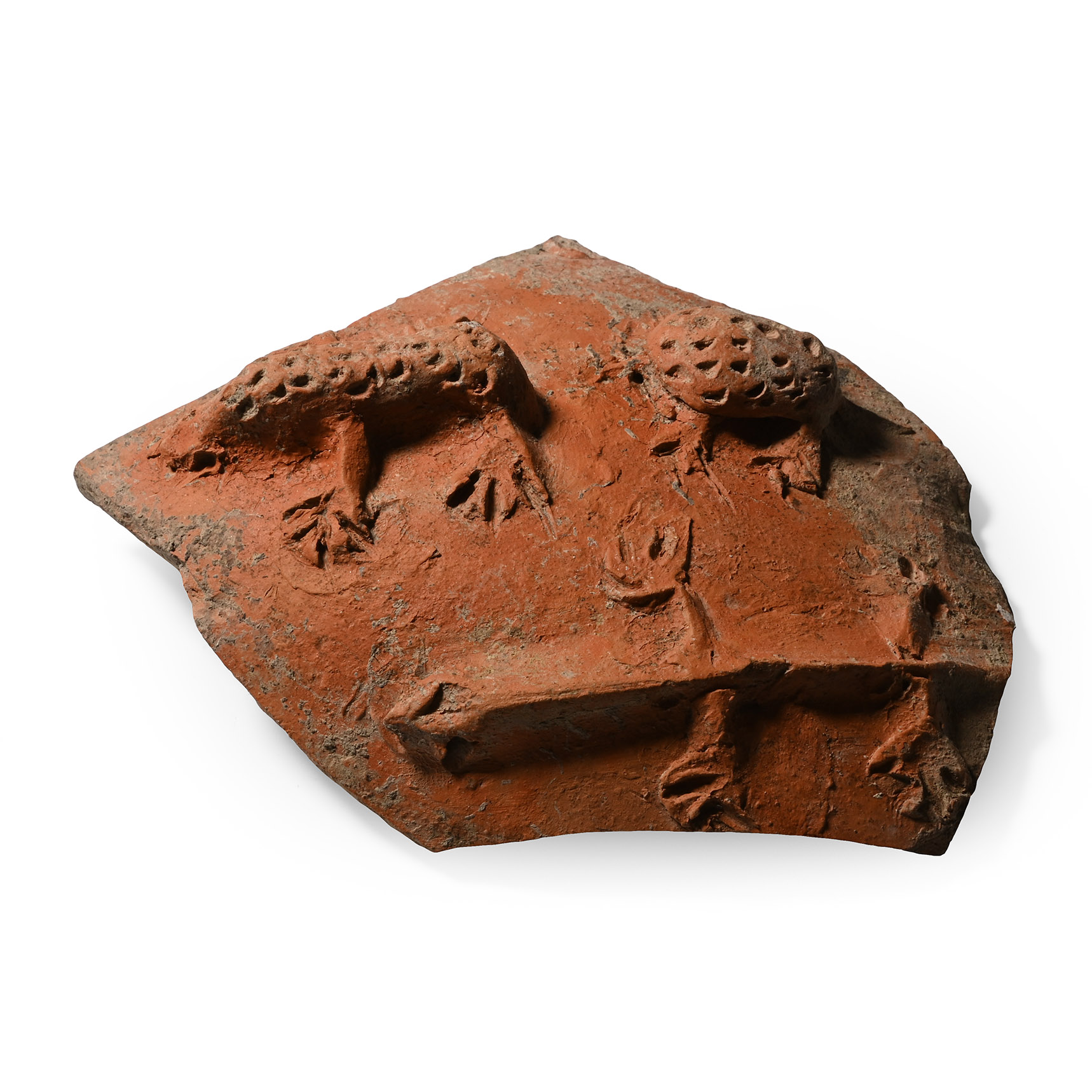
LOT 0821
Redware Fragment with Amphibians
ROMAN, CIRCA 2ND CENTURY A.D. OR LATER
5 1/8 in. (155 grams, 13 cm).
With curving profile, applied raised figures of a lizard, a frog and a turtle to the upper surface with incised detailing. [No Reserve]
ProvenanceEx German art market, 2000s.
Acquired from an EU collector living in London.
From the collection of Surrey, UK, gentleman.
TimeLine Auctions follows a vetting process to ensure the authenticity and legality of all items, reinforcing our commitment to integrity and responsible trading. Each antiquity, antique, and coin lot undergoes thorough examination by a vetting committee of at least ten external specialists, professional trade association members, scientists, and archaeologists: Our Vetting Process
AUCTIONS:
TimeLine is a leading auction house specialising in antiquities, ancient art, collectables, natural history, coins, medals, and books. Our auctions offer museums, collectors, historians, and enthusiasts the opportunity to acquire unique and historically significant pieces.
-
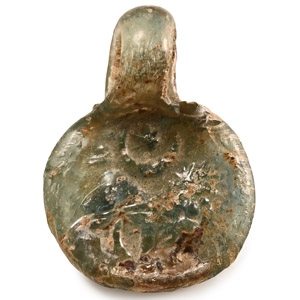
Late Roman Glass Lion Pendant with Star and Crescent
Mid 4th-mid 5th century A.D.Sold for (Inc. bp): £117
Discoid with integral loop, impressed image of an advancing lion below a crescent with star above. 1.81 grams, 24 mm
Collected from 1970-1999. From the collection of the late Mr S.M., London, UK. -
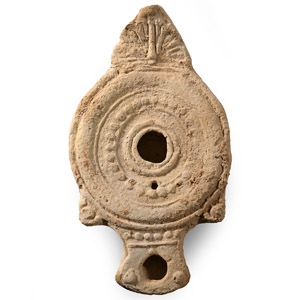
Roman Ceramic Oil Lamp with Reflector
1st-2nd century A.D.Sold for (Inc. bp): £52
Shallow discus with concentric circles and a raised pellets, a lug on each side of the nozzle; triangular reflector with foliate; concentric circles to the base; repaired. 90 grams, 11.9 cm
Ex Mothersole collection, Scotland, 1970s. -
.jpg)
Roman Bronze Hound Statuette
1st-2nd century A.D.Sold for (Inc. bp): £78
Modelled in the round in advancing pose with head lowered and mouth open, low-relief collar to the neck; mounted on a custom-made stand. 80 grams total, 52 mm including stand
From a collection acquired on the UK art market from various auction houses and collections mostly before 2000. From an important Cambridgeshire estate; thence by descent.
