
Loading, please wait...
LOT 0877
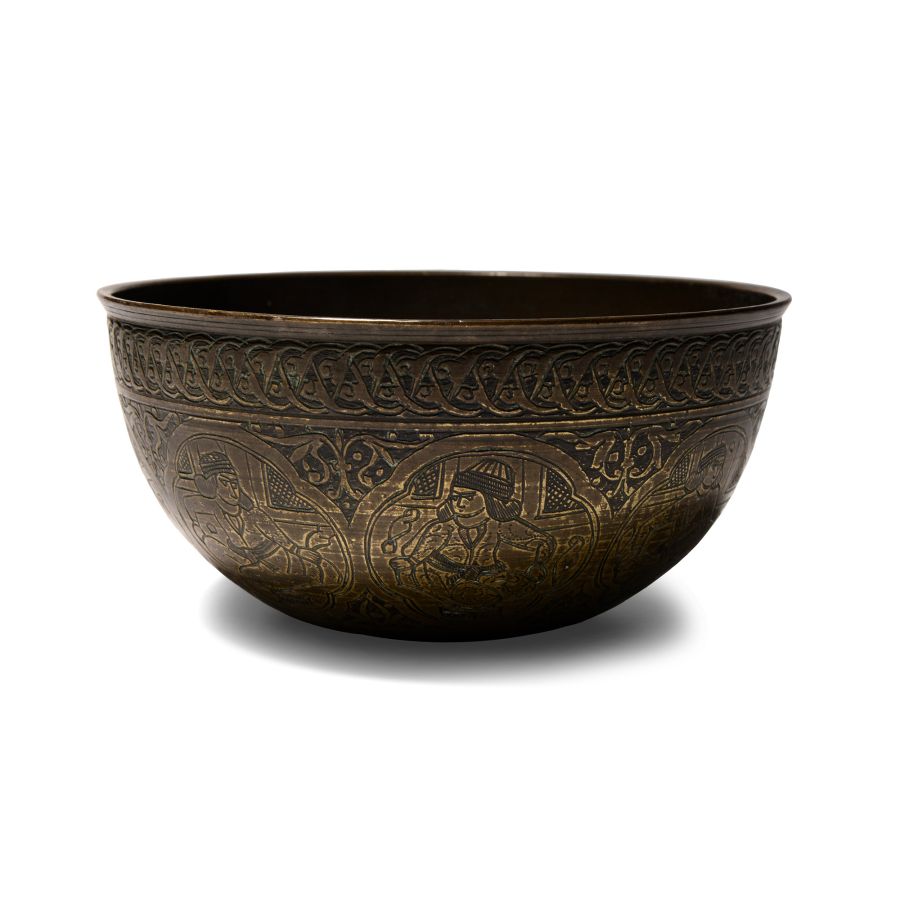
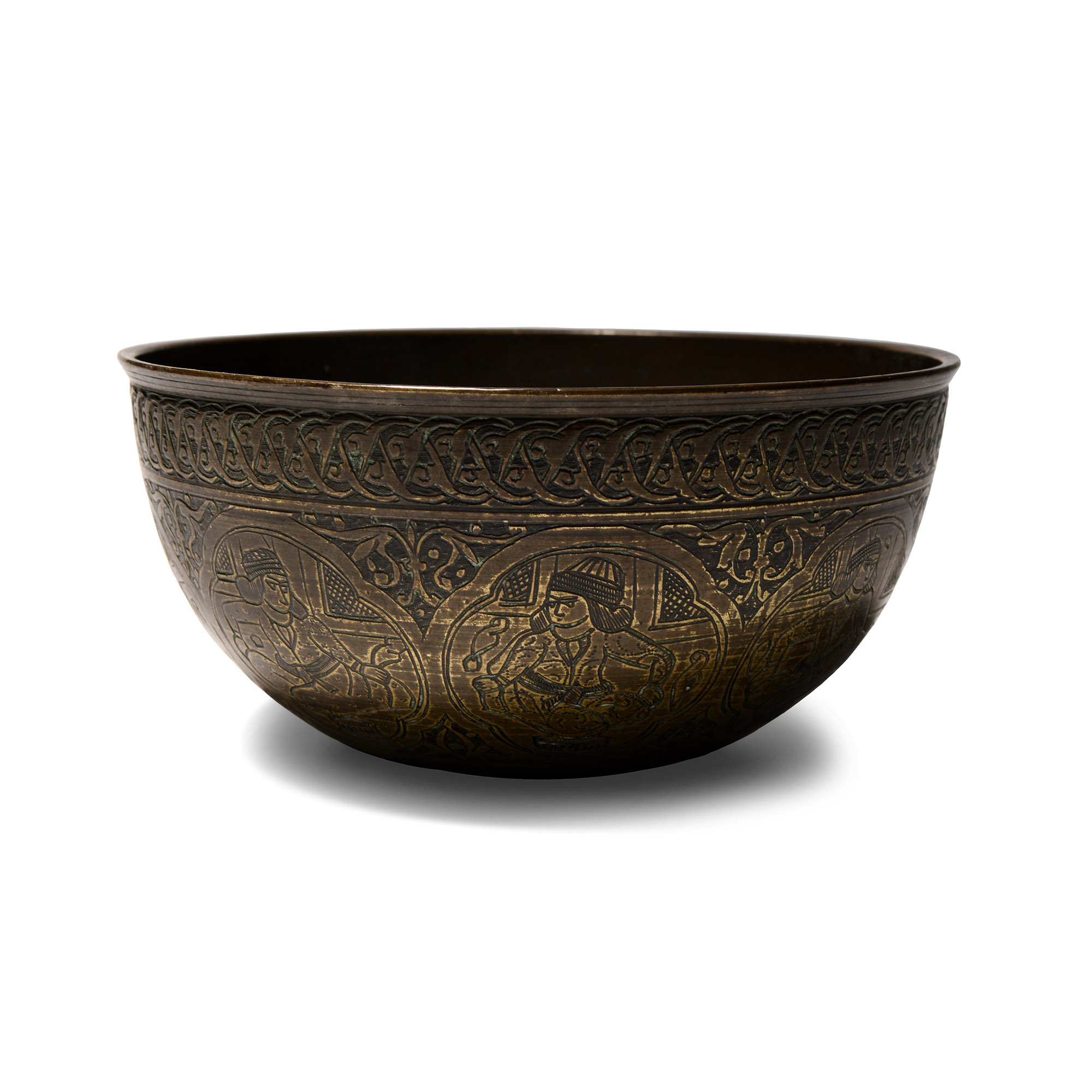
Qajar Period Decorated Bowl
19TH CENTURY A.D.
4 3/4 in. (195 grams, 11.9 cm wide).
Spun bronze bowl with everted rim, dense low-relief decoration of tendrils and interlace with quatrefoil panels each with a kneeling figure.
ProvenanceAcquired by the vendor's father on the UK art market, before 1990.
CONDITIONTimeLine Auctions follows a vetting process to ensure the authenticity and legality of all items, reinforcing our commitment to integrity and responsible trading. Each antiquity, antique, and coin lot undergoes thorough examination by a vetting committee of at least ten external specialists, professional trade association members, scientists, and archaeologists: Our Vetting Process
AUCTIONS:
TimeLine is a leading auction house specialising in antiquities, ancient art, collectables, natural history, coins, medals, and books. Our auctions offer museums, collectors, historians, and enthusiasts the opportunity to acquire unique and historically significant pieces.
LOT 0877
Qajar Period Decorated Bowl
Estimate £150 - 200€170 - 230 (for guidance only)$200 - 270 (for guidance only)
-
.jpg)
Western Asiatic Geometric Terracotta Jar
2nd-1st millennium B.C.Sold for (Inc. bp): £78
Spherical bodied with painted frieze of concentric roundels to the body. 282 grams, 13 cm high
London, UK, collection, 1990s. -
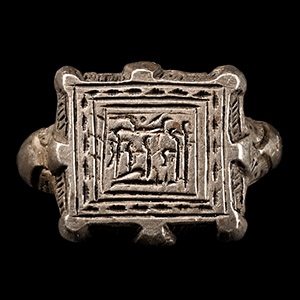
Western Asiatic Silver Ring with Inscription
18th-19th century A.D.Sold for (Inc. bp): £46
Composed of a carinated hoop with geometric ornament and expanded shoulders, engraved calligraphic inscription to the rectangular bezel. 10.78 grams, 24.49 mm overall, 19.25 mm internal diameter (approximate size British S, USA 9, Europe 20, Japan 19)
From the collection of a North American gentleman, formed in the 1990s. -
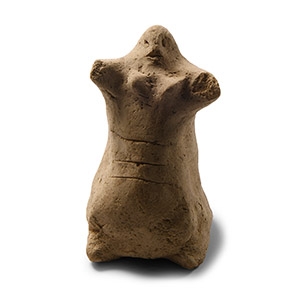
Chalcolithic Fertility Idol
3rd millennium B.C.Sold for (Inc. bp): £234
Modelled at a highly stylised seated female figure with stub legs and outstretched stub arms, triangular head with simple facial features, conical breasts, buttocks and spine delineated with simple lines to rear. 169 grams, 92 mm high
From the collection of a deceased London gentleman, 1979-1999; thence by descent.
