
LOT 3040
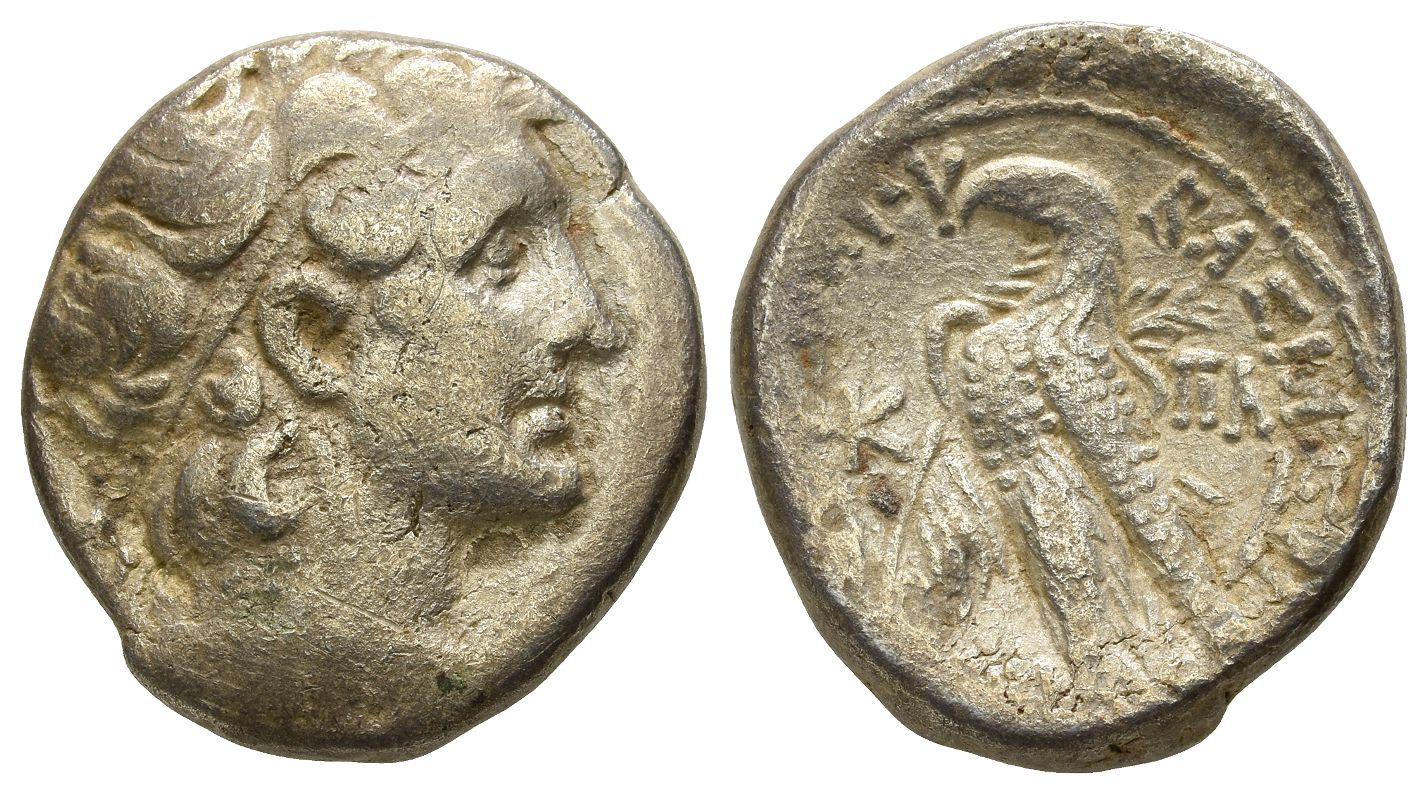
Ptolemaic Kingdom of Egypt, Kleopatra VII Thea Neotera AR Tetradrachm. 51-30 BC.
Alexandria mint; dated RY 20 (33/2 BC). Diademed head of Ptolemy I to right, wearing aegis / [ΠΤΟΛΕΜ]ΑΙΟΥ ΒΑΣΙΛΕΩΣ, eagle with closed wings standing to left on thunderbolt, palm frond over shoulder; to left, L K (date) [above headdress of Isis]; ΠΑ to right. Svoronos 1834; SNG Copenhagen 416; DCA 70. Near Very Fine.(13.83gr, 26mm, 12h). [No Reserve]
ProvenanceProperty of a Cambridgeshire, UK, gentleman;
From Den of Antiquity Int Ltd, dealer's ticket included.
TimeLine Auctions follows a vetting process to ensure the authenticity and legality of all items, reinforcing our commitment to integrity and responsible trading. Each antiquity, antique, and coin lot undergoes thorough examination by a vetting committee of at least ten external specialists, professional trade association members, scientists, and archaeologists: Our Vetting Process
AUCTIONS:
TimeLine is a leading auction house specialising in antiquities, ancient art, collectables, natural history, coins, medals, and books. Our auctions offer museums, collectors, historians, and enthusiasts the opportunity to acquire unique and historically significant pieces.
LOT 3040
Ptolemaic Kingdom of Egypt, Kleopatra VII Thea Neotera AR Tetradrachm.
Sold for (Inc. bp): £117
-
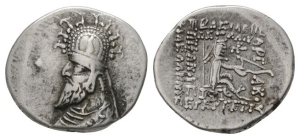
Kings of Parthia, Phraates III AR Drachm. Circa 70/69-58/7 BC.
Sold for (Inc. bp): £52
Rhagai mint. Draped bust to left, wearing tiara decorated with horn and stags / ΒΑΣΙΛΕΩΣ ΜΕΓΑΛΟV above, ΑΡΣ-AΚΟV to right, ΕΥΕΡΓΕΤΟΥ below, ΕΠΙΦAΝΟYΣ ΦΙΛΕΛΛΗΝΟΣ to left, Archer (Arsakes I) seated to right on throne, holding bow; PΓ monogram above bow. Cf. Sellwood type 39 (unlisted legend variant); ANS 1944.100.82616; Sunrise -; Shore -. 4.04gr, 21mm, 2h
Very Fine. Very rare variant.
Acquired on the UK market before 2000; Property of a London, UK, gentleman. -
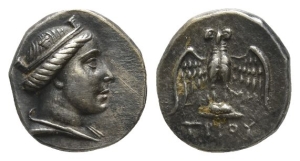
Pontos, Amisos AR Hemidrachm. Circa 300-125 BC.
Estimate: £200 - 300 (‡+bp*)
Opening Bid: £100
Rhodian standard. Demetrios, magistrate. Turreted bust of Hera-Tyche to right / Owl with spread wings standing facing on upturned shield, ΔΗ-ΜΗ-TPIOY across lower fields. SNG Stancomb 665 = SNG von Aulock 53; Recueil général I, 11, 4; SNG BM Black Sea 1118-20; HGC 7, 234. 1.72gr, 12mm, 1h
Extremely Fine. Attractive old cabinet tone. Scratch on obverse.
From a Swiss private collection, before 2005. -
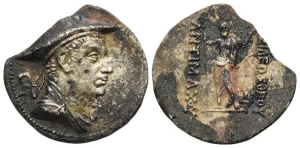
Graeco-Bactrian Kingdom, Antimachos I Theos AR Tetradrachm. Circa 180-170 BC.
Sold for (Inc. bp): £124
Diademed and draped bust to right, wearing kausia / [ΒΑ]ΣΙΛΕΩΣ ΘΕΟΥ ΑΝΤΙΜΑΧΟΥ, Poseidon, laureate, standing facing, holding trident and filleted palm; monogram of ΔΙΦ to inner right. Bopearachchi 1A; SNG ANS 274-5; HGC 12, 106. 15.38gr, 32mm, 12h
Very Fine. Edge chipped.
Property of a North London, UK, gentleman.
