
Loading, please wait...
LOT 2126
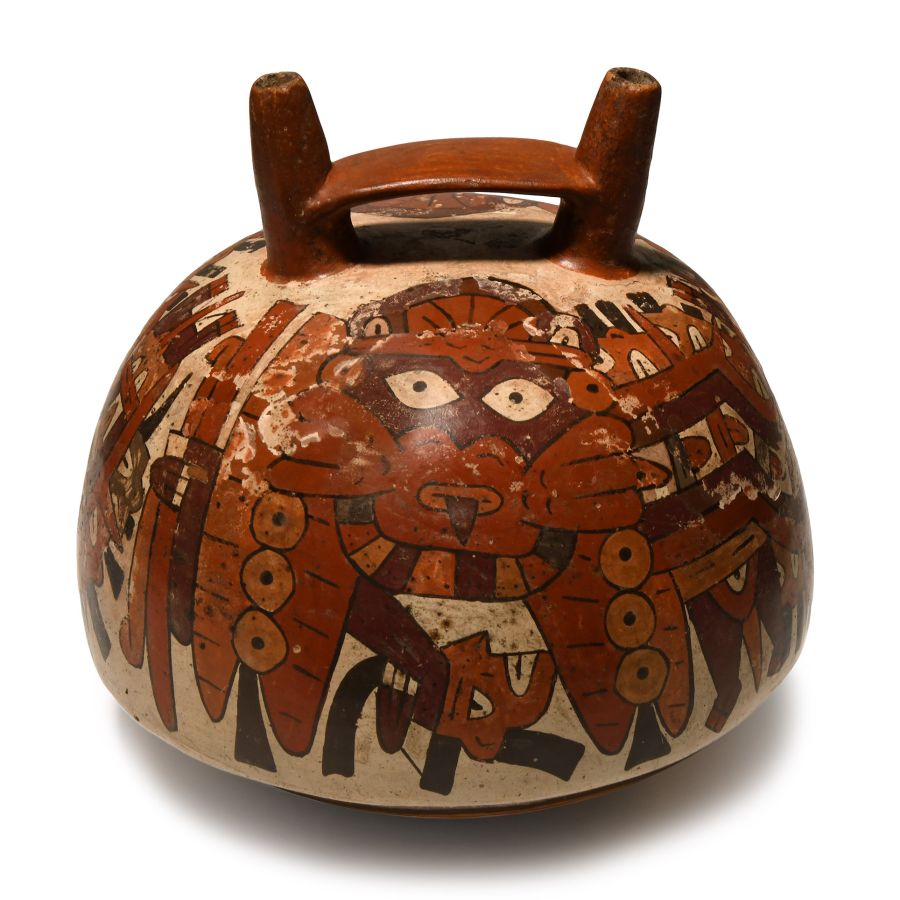
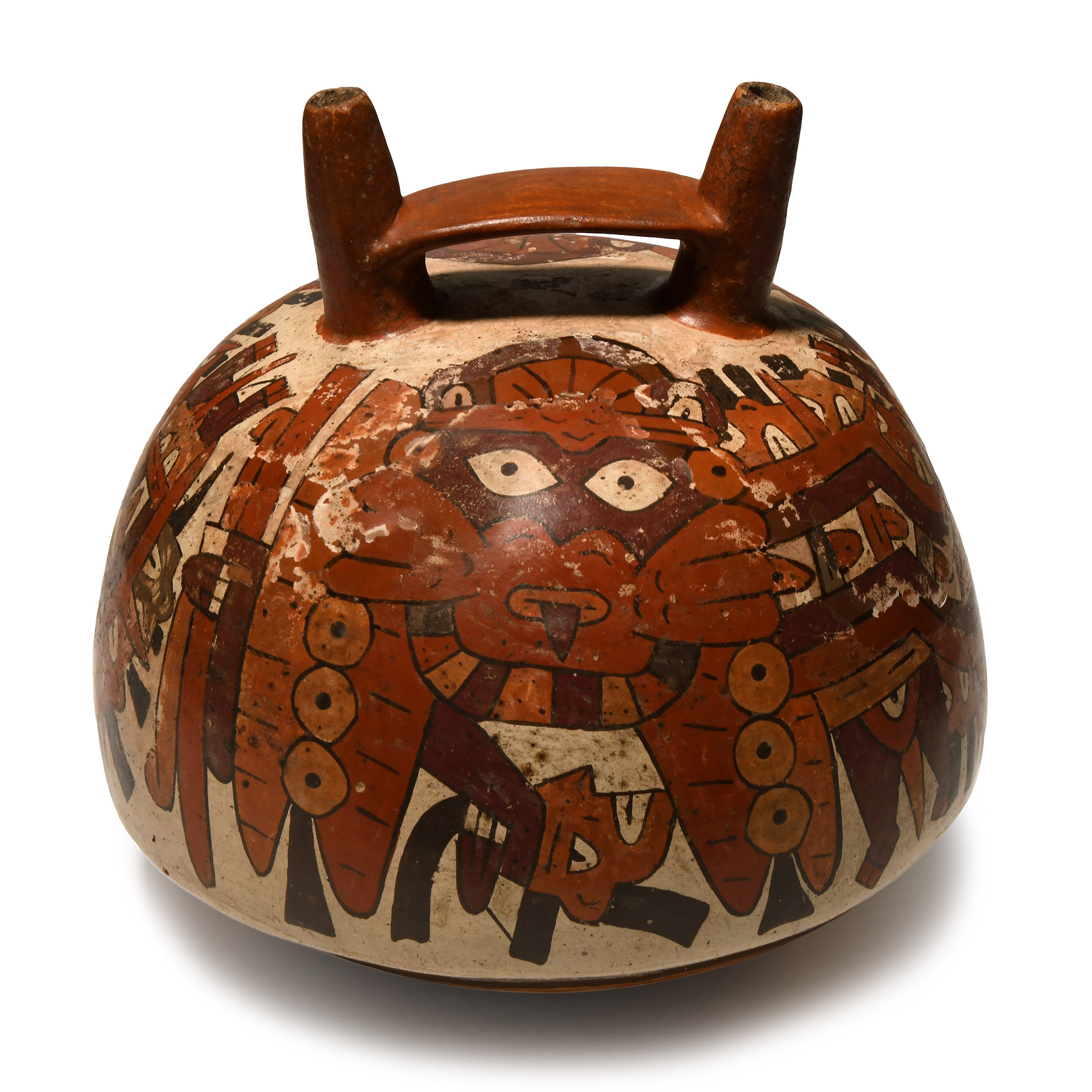
Pre-Columbian Nazca Painted Terracotta Stirrup Vessel
3RD-6TH CENTURY A.D.
7 1/4 in. (713 grams, 18.5 cm).
Biconical vessel with conical underside and domed upper, two vertical spouts to the centre with flat-section bar between, painted frieze of creatures to the shoulder including severed heads. [No Reserve]
ProvenanceFrom a collection acquired on the UK art market from various auction houses and collections mostly before 2000.
From an important Cambridgeshire estate; thence by descent.
See Ligaube, G., The World That Wasn't There, 5 Continents, Milan, 2015, page 170, and Sotheby's, Pre Columbian Art, New York, November 1989, no.33, for similar examples.
CONDITIONTimeLine Auctions follows a vetting process to ensure the authenticity and legality of all items, reinforcing our commitment to integrity and responsible trading. Each antiquity, antique, and coin lot undergoes thorough examination by a vetting committee of at least ten external specialists, professional trade association members, scientists, and archaeologists: Our Vetting Process
AUCTIONS:
TimeLine is a leading auction house specialising in antiquities, ancient art, collectables, natural history, coins, medals, and books. Our auctions offer museums, collectors, historians, and enthusiasts the opportunity to acquire unique and historically significant pieces.
-
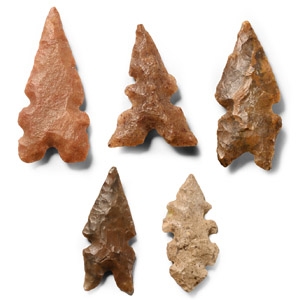
Pre-Columbian Mayan Flint Arrowhead Collection
250-900 A.D. or laterSold for (Inc. bp): £98
Mixed group including serrated and other types. 6.8 grams total, 24-33 mm
From a collection acquired on the UK art market from various auction houses and collections mostly before 2000. From an important Cambridgeshire estate; thence by descent. -
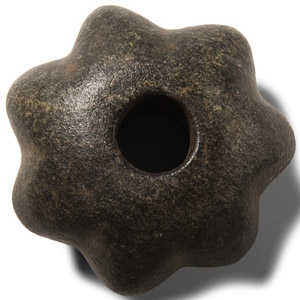
Pre-Columbian Nazca Spiked Stone Macehead
16th century A.D. or earlierSold for (Inc. bp): £143
Biconvex in profile with seven radiating flanges, large central hole. 557 grams, 86 mm
From a collection acquired on the UK art market from various auction houses and collections mostly before 2000. From an important Cambridgeshire estate; thence by descent. -
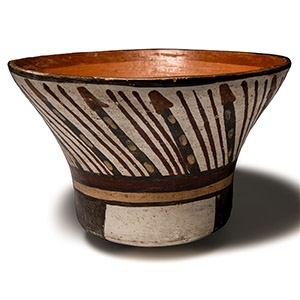
Pre-Columbian Nazca Terracotta Bowl With Arrow Design
4th-6th century A.D. or earlierSold for (Inc. bp): £182
'Bell-shaped' bowl with rounded base, the exterior decorated with a polychrome geometric scheme including arrows, circumferential bands and quartered panels. 263 grams, 15 cm
Private U.K. family collection formed in the early 1970s. The property of Mr and Mrs P.R. of East Sussex. Thence by descent to family members.
