
Loading, please wait...

LOT 0267
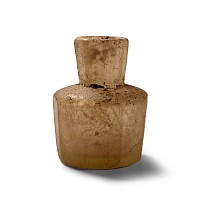
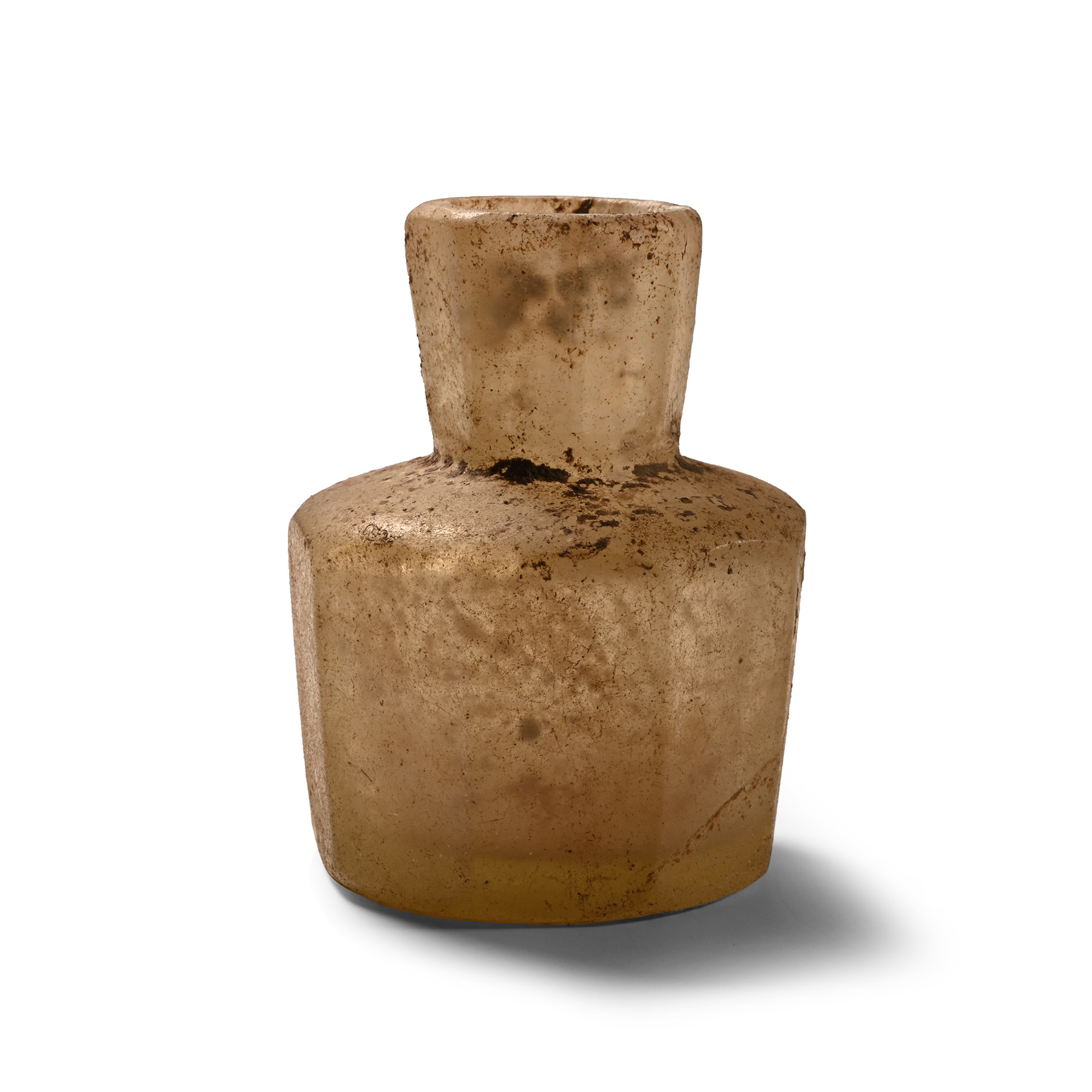
Post Sassanian Cut Glass Bottle
6TH-7TH CENTURY A.D.
3 1/4 in. (197 grams, 84 mm).
Squat in profile with nine facets to the body, broad shoulder and eight facets to the neck, chamfered rim.
ProvenanceUK private collection before 2000.
Acquired on the UK art market.
Property of a London gentleman.
See Whitehouse, D., Sassanian and Post-Sassanian Glass in The Corning Museum of Glass, New York, 2005, for discussion.
CONDITIONTimeLine Auctions follows a vetting process to ensure the authenticity and legality of all items, reinforcing our commitment to integrity and responsible trading. Each antiquity, antique, and coin lot undergoes thorough examination by a vetting committee of at least ten external specialists, professional trade association members, scientists, and archaeologists: Our Vetting Process
AUCTIONS:
TimeLine is a leading auction house specialising in antiquities, ancient art, collectables, natural history, coins, medals, and books. Our auctions offer museums, collectors, historians, and enthusiasts the opportunity to acquire unique and historically significant pieces.
LOT 0267
Post Sassanian Cut Glass Bottle
Estimate £600 - 800€700 - 930 (for guidance only)$810 - 1,080 (for guidance only)
-
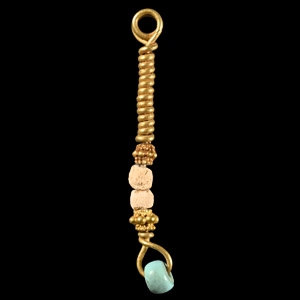
Western Asiatic Gold and Bead Pendant
1st millennium B.C.Sold for (Inc. bp): £117
Gold wire dangle with turquoise and other beads. 1.5 grams, 36 mm
Ex property of a late Japanese collector, 1970s-2000s. -
.jpg)
Jemdet Nasr Haematite Cylinder Seal
Circa 3100-2850 B.C.Sold for (Inc. bp): £234
With drilled and incised geometric design. 5.7 grams, 32 mm
Acquired 1970s-1996. Property of a North American collector, collection no.12. London collection, 2016. -
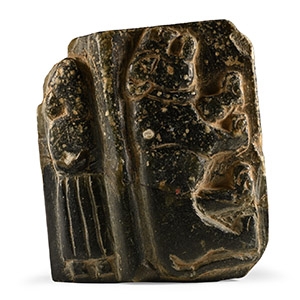
Mesopotamian Black Stone Seal with Lion and Male Figure
2nd-1st millennium B.C.Estimate: £600 - 800 (+bp*)
Opening Bid: £300
Rectangular in profile with carved detailing; obverse with standing figure in ankle-length robe, bearded head turned; dividing rib beside an advancing lion with mouth open; reverse scene with perching bird and other items; pierced vertically for mounting. 97 grams, 64 mm
Collected from 1970-1999. From the collection of the late Mr S.M., London, UK.
