
Loading, please wait...
LOT 1862
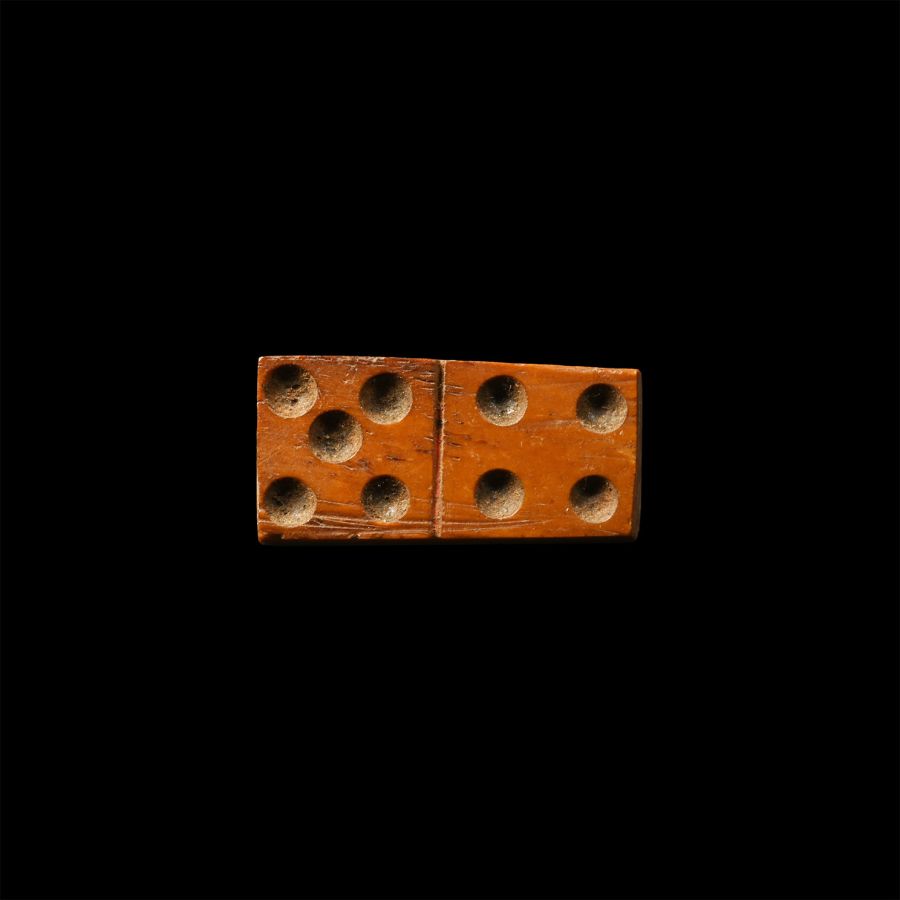
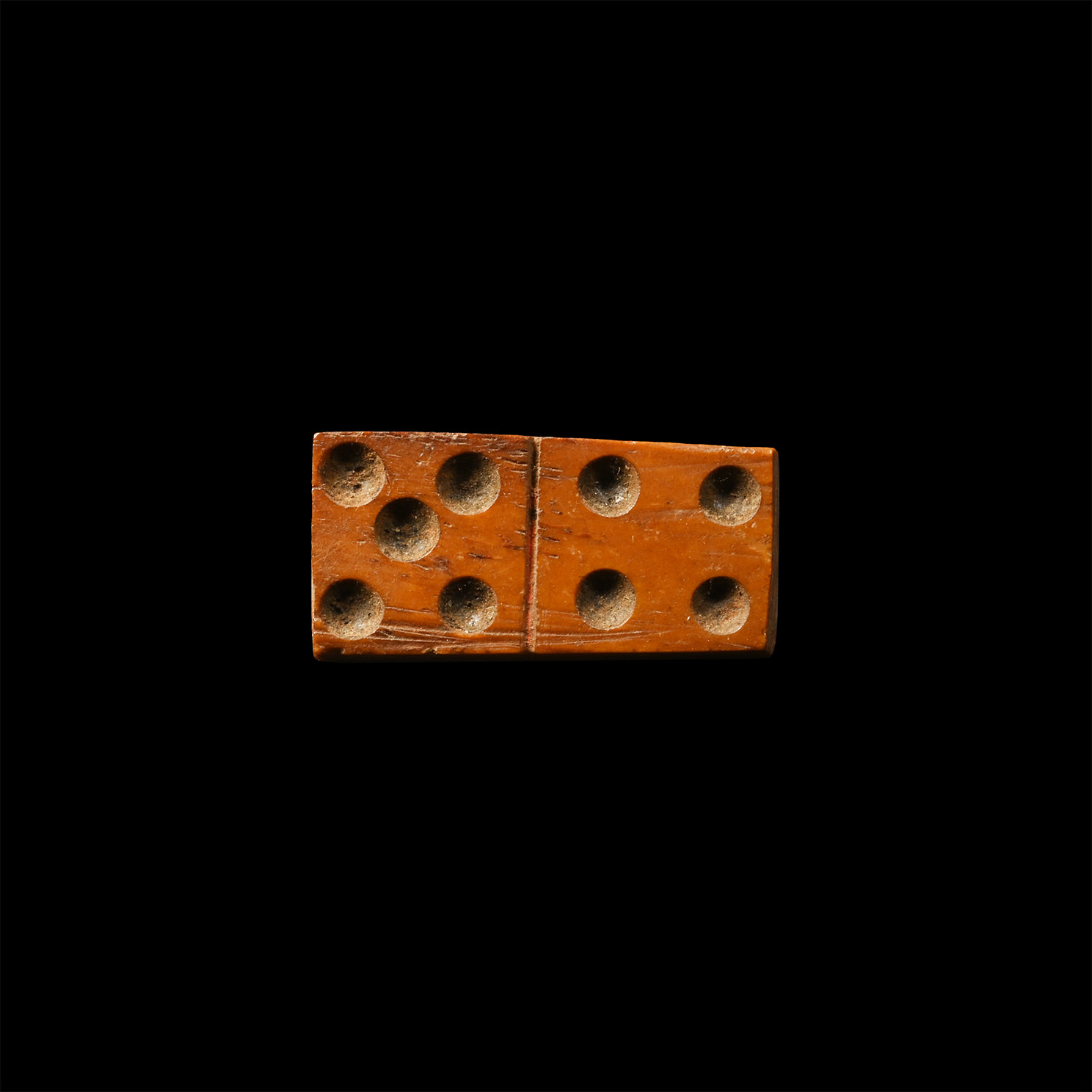
Post Medieval 'Thames' Bone Dominoes Gaming Piece
CIRCA 18TH CENTURY A.D.
1 1/8 in. (3 grams, 3 cm).
Rectangular in form with shallow circular dot numerals showing 4 and 5; blank reverse. [No Reserve]
ProvenanceFound near Custom House Quay on the Thames foreshore, London, UK.
CONDITIONTimeLine Auctions follows a vetting process to ensure the authenticity and legality of all items, reinforcing our commitment to integrity and responsible trading. Each antiquity, antique, and coin lot undergoes thorough examination by a vetting committee of at least ten external specialists, professional trade association members, scientists, and archaeologists: Our Vetting Process
AUCTIONS:
TimeLine is a leading auction house specialising in antiquities, ancient art, collectables, natural history, coins, medals, and books. Our auctions offer museums, collectors, historians, and enthusiasts the opportunity to acquire unique and historically significant pieces.
-
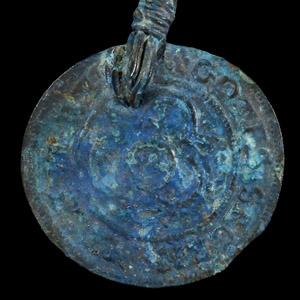
Post Medieval Bronze Nuremberg Jetton Pendant
17th century A.D.Sold for (Inc. bp): £13
Composed of a pierced Nuremburg jeton with coiled wire suspension loop for use as a pendant. 2.19 grams, 39 mm
From the collection of a North American gentleman, formed in the 1990s. -
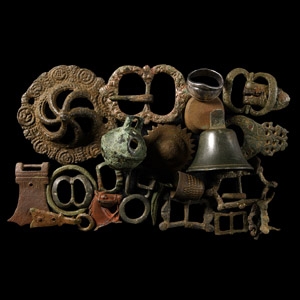
Georgian and Other Copper-Alloy Artefact Group
Circa 15th-20th century A.D.Sold for (Inc. bp): £13
Comprising: bells; buckles; decorative fittings and mounts; thimble; heart-shaped mount; ring stamped '925'; together with other miscellaneous items. 269 grams total, 11-64 mm
Found Wiltshire, UK. -
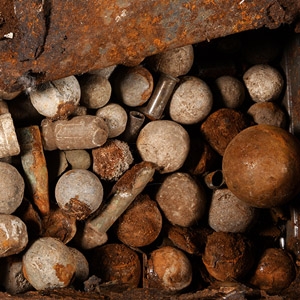
Post Medieval Lead Musket Ball Group
Circa 16th-19th century A.D.Sold for (Inc. bp): £13
Composed of shots of different gauges and dates; together with ammunition of a different type. 2.46 kg total, 8-57 mm (22 x 12 cm including box)
Acquired 1990s-early 2000s. East Anglian private collection.
