
Loading, please wait...
LOT 1926
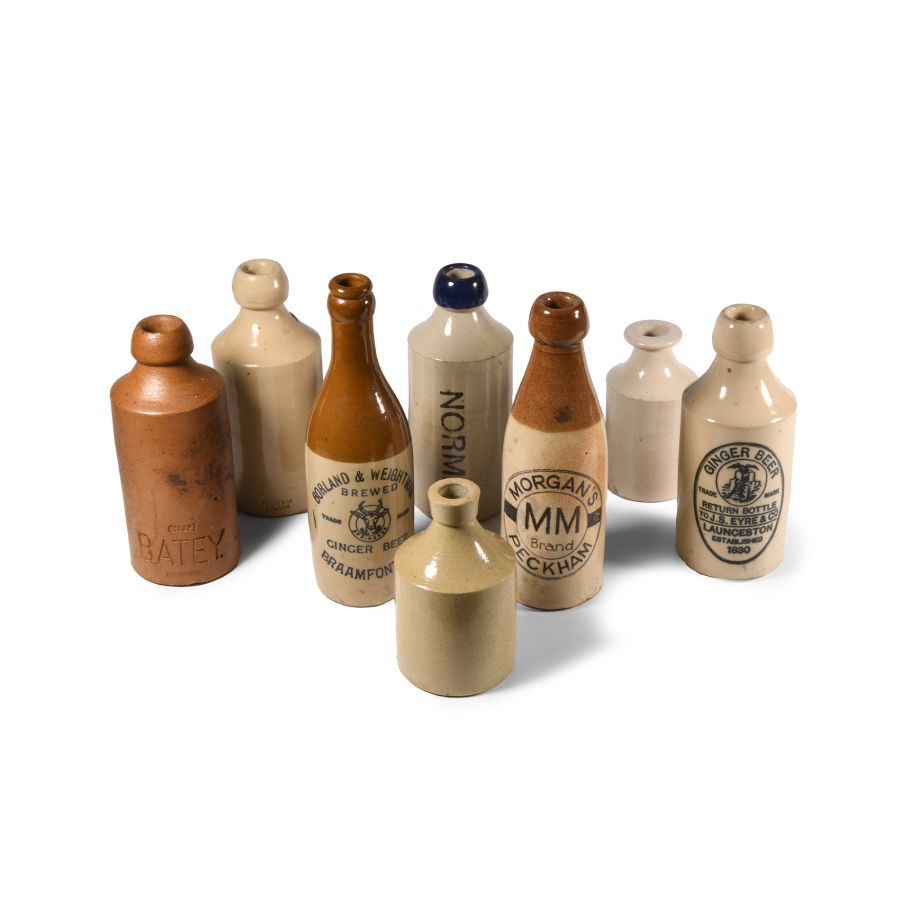
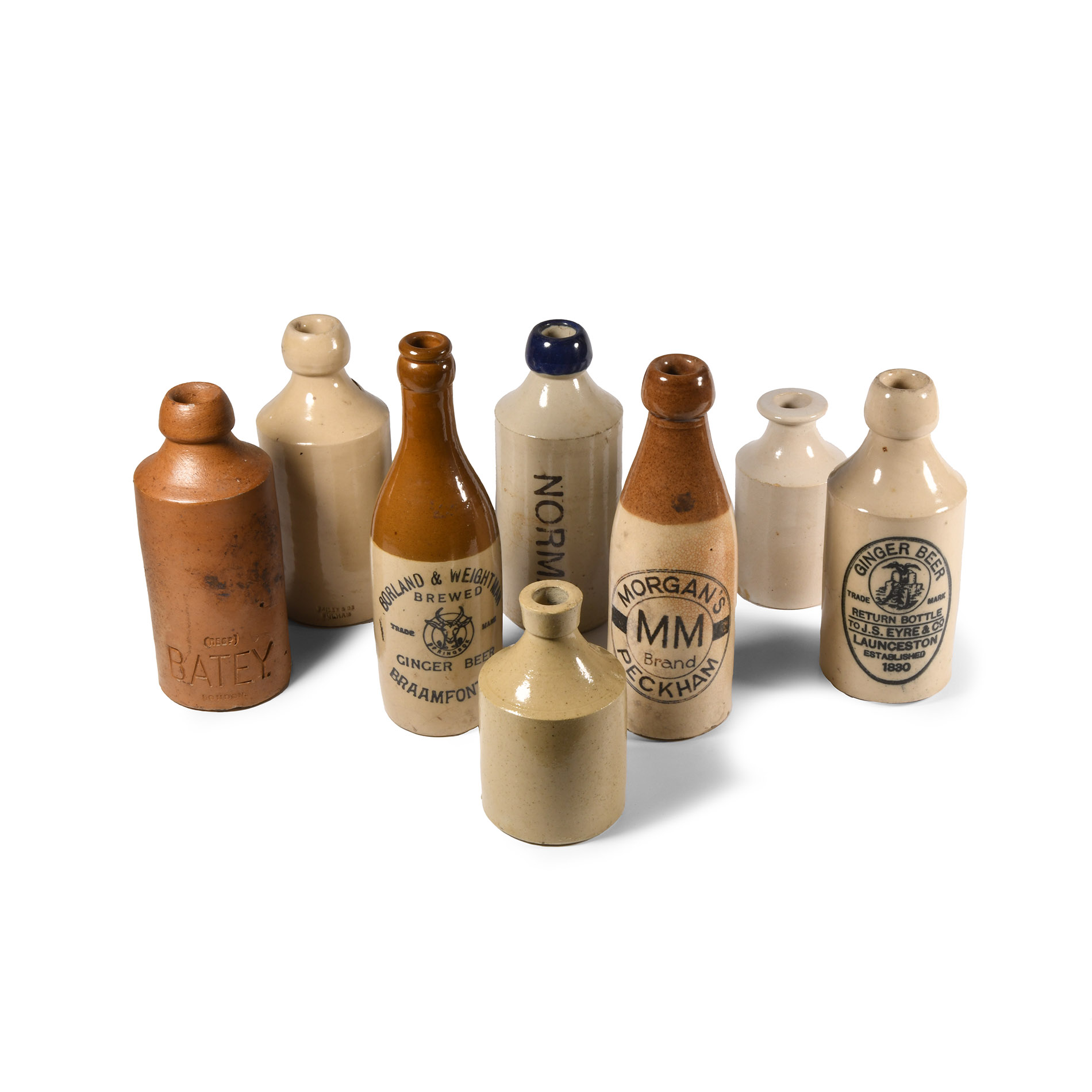
Post Medieval Stoneware Bottle Group
19TH CENTURY A.D. OR EARLIER
4 1/2 - 8 1/2 in. (3.8 kg total, 11.5-21.7 cm high).
Including 'J.S. Eyre & Co. Launceston', 'Boreland & Weightman Braamfontein' and other types. [8, No Reserve]
ProvenanceAcquired UK market.
Ian Roper collection.
TimeLine Auctions follows a vetting process to ensure the authenticity and legality of all items, reinforcing our commitment to integrity and responsible trading. Each antiquity, antique, and coin lot undergoes thorough examination by a vetting committee of at least ten external specialists, professional trade association members, scientists, and archaeologists: Our Vetting Process
AUCTIONS:
TimeLine is a leading auction house specialising in antiquities, ancient art, collectables, natural history, coins, medals, and books. Our auctions offer museums, collectors, historians, and enthusiasts the opportunity to acquire unique and historically significant pieces.
-
Post Medieval Glazed Ceramic Flask
17th-18th century A.D.Sold for (Inc. bp): £7
Of lentoid form with one flat face, lug handles; chipped. 1.4 kg, 38 cm high
Acquired 1990s-early 2000s. East Anglian private collection. -
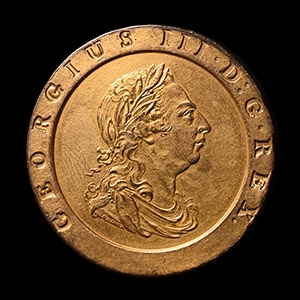
Georgian Gilt Bronze Cartwheel Twopence Patch Box
Dated 1797 A.D.Sold for (Inc. bp): £130
Obv: profile bust right with GEORGIUS III D G REX incuse legend; Rev: Britannia seated left with BRITANNIA 1797 incuse legend; converted into a patch box with obverse gilded. 56.39 grams, 41 mm
Acquired in 2010. From the collection of a North American gentleman. -
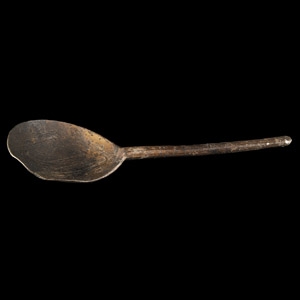
Post Medieval 'Thames' Pewter Slip Top Spoon with M B
Circa 17th century A.D.Sold for (Inc. bp): £20
Comprising a shallow ovoid bowl with facetted stem; bowl interior stamped with maker's mark 'M B' and with wriggle work. 71 grams, 17 cm
Found Thames foreshore spoil, 1980s.
