
Loading, please wait...
LOT 1854
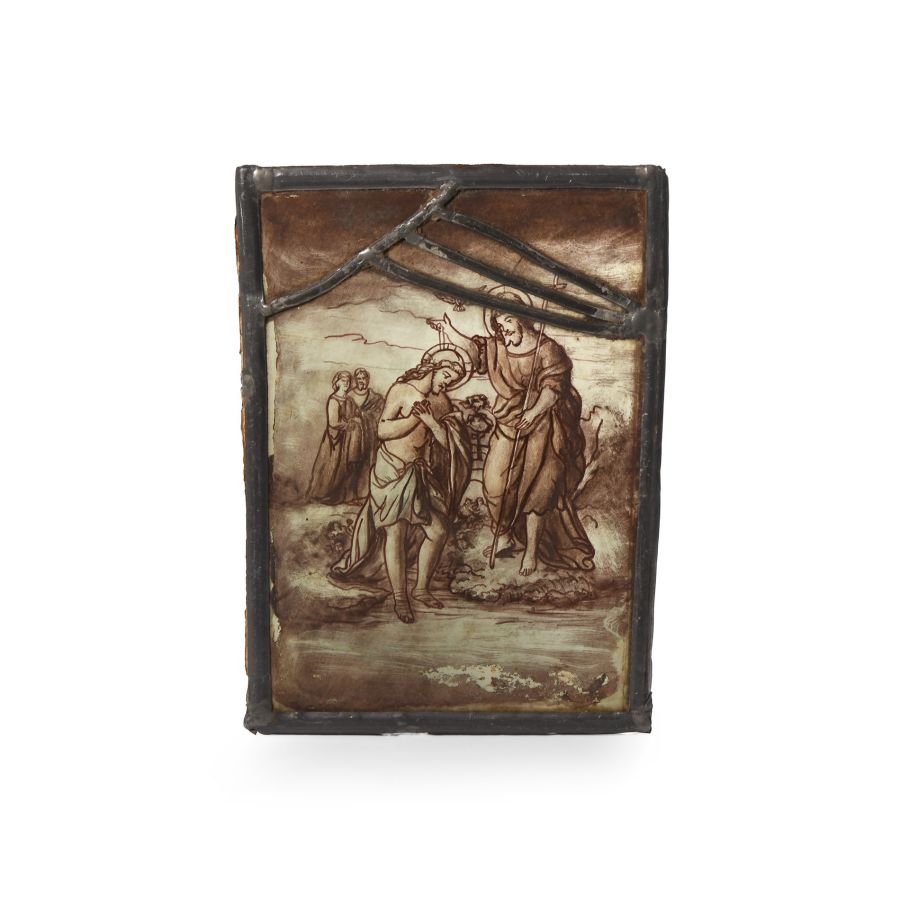
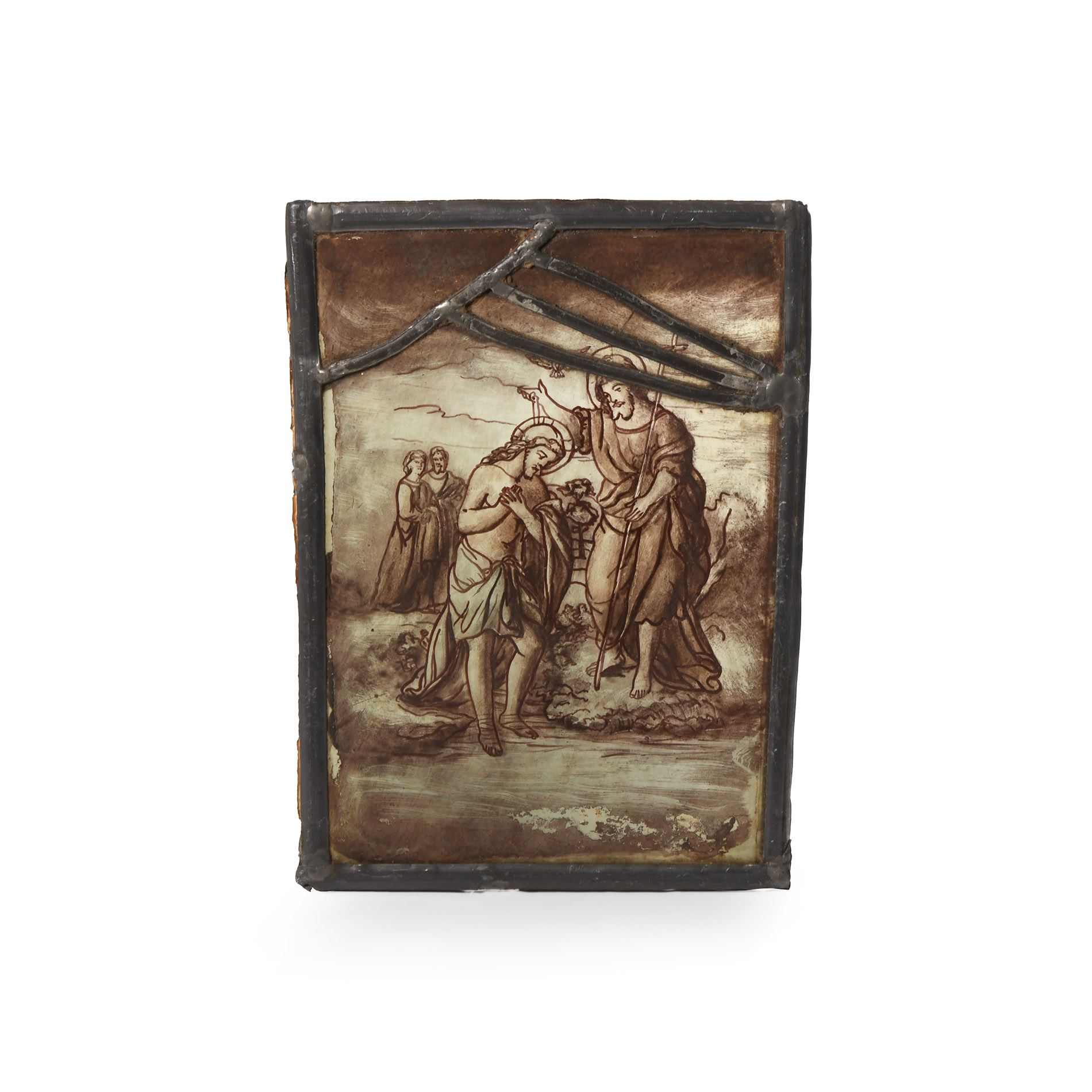
Post Medieval Stained Glass Window Pane
CIRCA 16TH-17TH CENTURY A.D.
8 in. (249 grams, 20.3 cm high).
With lead cames, depicting a scene with John the Baptist baptising Christ. [No Reserve]
ProvenanceAcquired 1990s-early 2000s.
East Anglian private collection.
TimeLine Auctions follows a vetting process to ensure the authenticity and legality of all items, reinforcing our commitment to integrity and responsible trading. Each antiquity, antique, and coin lot undergoes thorough examination by a vetting committee of at least ten external specialists, professional trade association members, scientists, and archaeologists: Our Vetting Process
AUCTIONS:
TimeLine is a leading auction house specialising in antiquities, ancient art, collectables, natural history, coins, medals, and books. Our auctions offer museums, collectors, historians, and enthusiasts the opportunity to acquire unique and historically significant pieces.
-
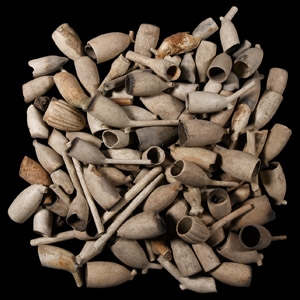
Post Medieval Clay Pipe Bowl Group Including Armorials
Circa 18th century A.D.Sold for (Inc. bp): £33
Together with decorative designs, comprising bowls of various shapes and dates; together with a number of stems, some decorative. 1.2 kg total, 4-10.6 cm
Acquired 1990s-early 2000s. East Anglian private collection. -
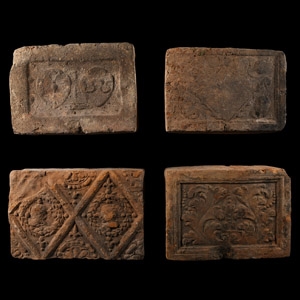
Elizabethan Period Ceramic Fire Brick Group
Circa 16th century A.D.Estimate: £120 - 170 (+bp*)
Opening Bid: £48
Each differently sized and displaying and decorative design in relief, including foliage, facing busts within wreaths and lozenges, crowned lozenge with flourishes and other worn motifs. 6.68 kg total, 13-15 cm
Acquired 1990s-early 2000s. East Anglian private collection. -
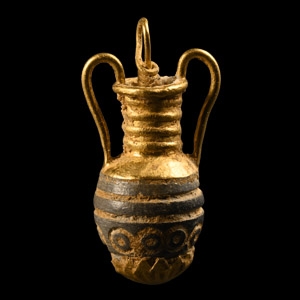
Gold Amphora-Shaped Pendant
20th century A.D. or earlierEstimate: £200 - 300 (‡+bp*)
Opening Bid: £100
In Greek style with a hardstone or terracotta body, gold rosette base, neck and handles; bulbous body with ring-and-dot motifs; suspension loop to neck. 2.02 grams, 22 mm
From the collection of a North American gentleman, formed in the 1990s.
