
Loading, please wait...
LOT 1978
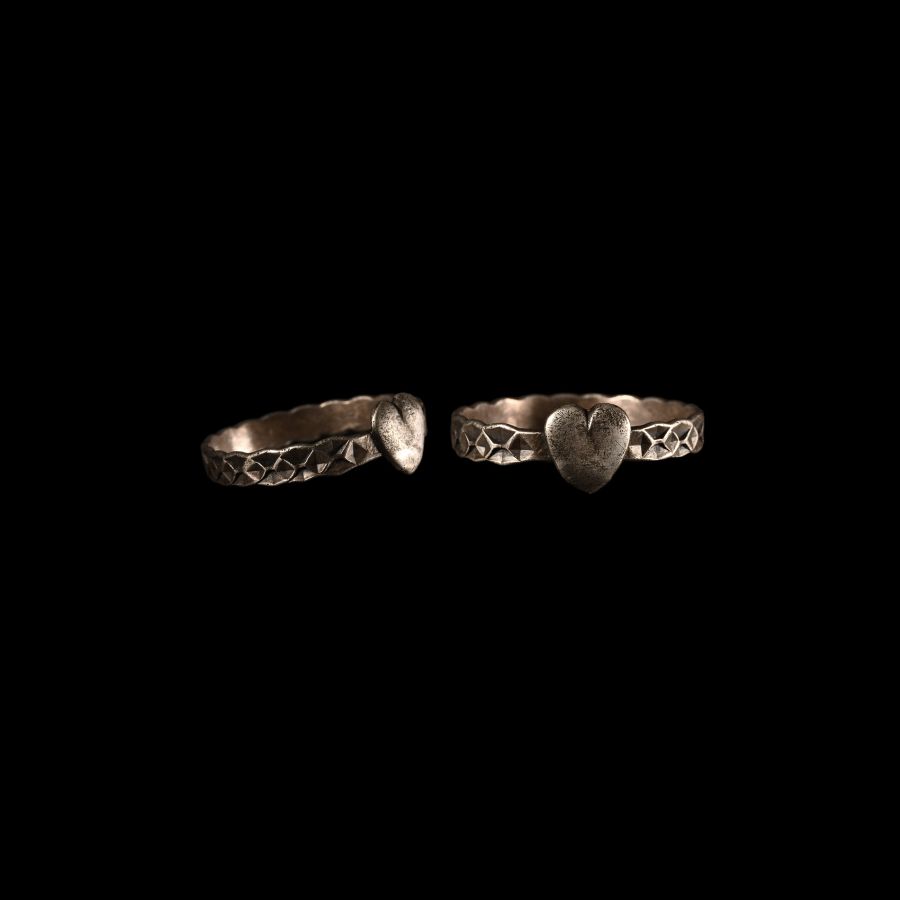
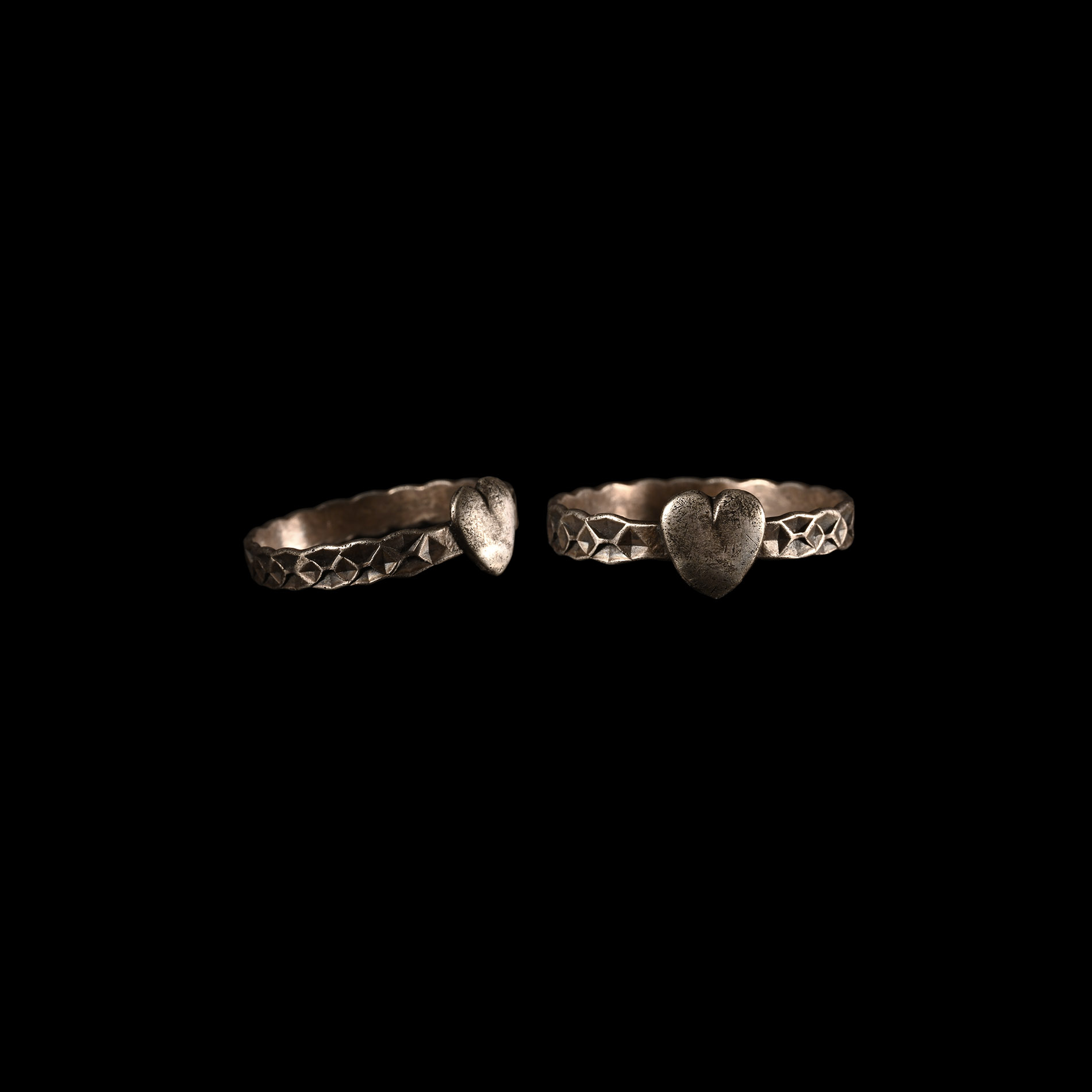
Post Medieval Silver Love Ring with Heart
18TH-19TH CENTURY A.D.
3/4 in. (1.04 grams, 18.71 mm overall, 16.64 mm internal diameter (approximate size British L, USA 5 3/4, Europe 11.24, Japan 10)).
Composed of a flat-section hoop formed from a geometric design with shallow cells, supporting a central heart plaque. [No Reserve]
ProvenanceAcquired on the UK antiques market between 1974-1985.
Albert Ward collection, Essex, UK.
TimeLine Auctions follows a vetting process to ensure the authenticity and legality of all items, reinforcing our commitment to integrity and responsible trading. Each antiquity, antique, and coin lot undergoes thorough examination by a vetting committee of at least ten external specialists, professional trade association members, scientists, and archaeologists: Our Vetting Process
AUCTIONS:
TimeLine is a leading auction house specialising in antiquities, ancient art, collectables, natural history, coins, medals, and books. Our auctions offer museums, collectors, historians, and enthusiasts the opportunity to acquire unique and historically significant pieces.
-
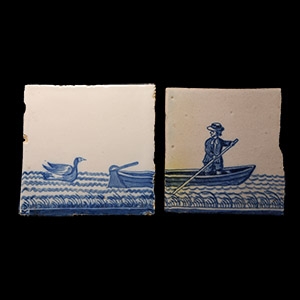
Post Medieval Glazed Ceramic Boating Scene Tile Set
Circa 18th century A.D.Sold for (Inc. bp): £65
Depicting a young man in period costume punting, looking towards the stern of the boat where a duck is swimming. 445 grams total, 12.2 x 13 - 13.5 x 13.5 cm
Acquired 1990s-early 2000s. East Anglian private collection. -
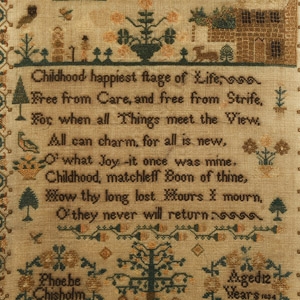
Embroidery Sampler
Dated 1834 A.D.Sold for (Inc. bp): £85
Framed and glazed; embroidered by Phoebe Chisholm aged 12 years 1834. 1.7 kg, 49 x 40 cm
Acquired on the UK art market. East Anglian private collection.
The verse is quoted from the poem 'The Growing Boy'. -
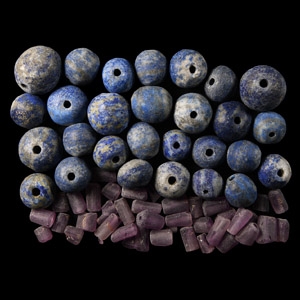
Post Medieval Lapis Lazuli and Other Bead Group
20th century A.D.Estimate: £100 - 140 (+bp*)
Opening Bid: £50
Mainly large spherical lapis lazuli and cylindrical glass or amethyst types. 238 grams total, 8-22 mm
Acquired 1980-2015. Ex Abelita family collection.
