
Loading, please wait...
LOT 1982
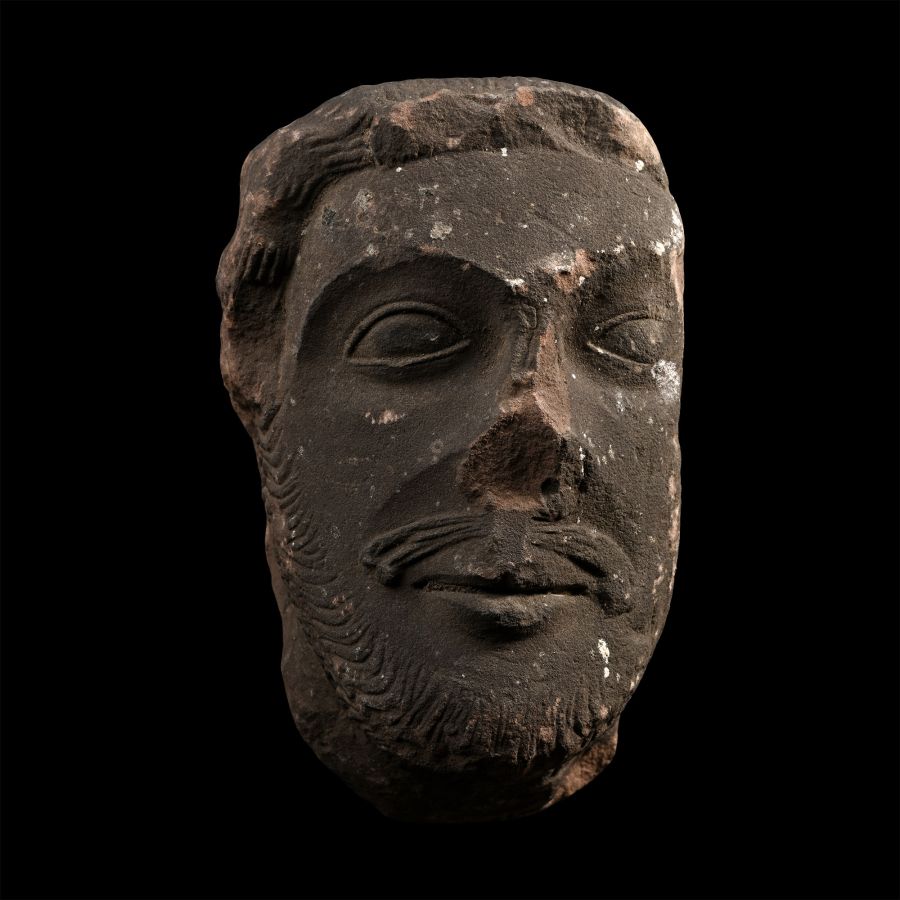
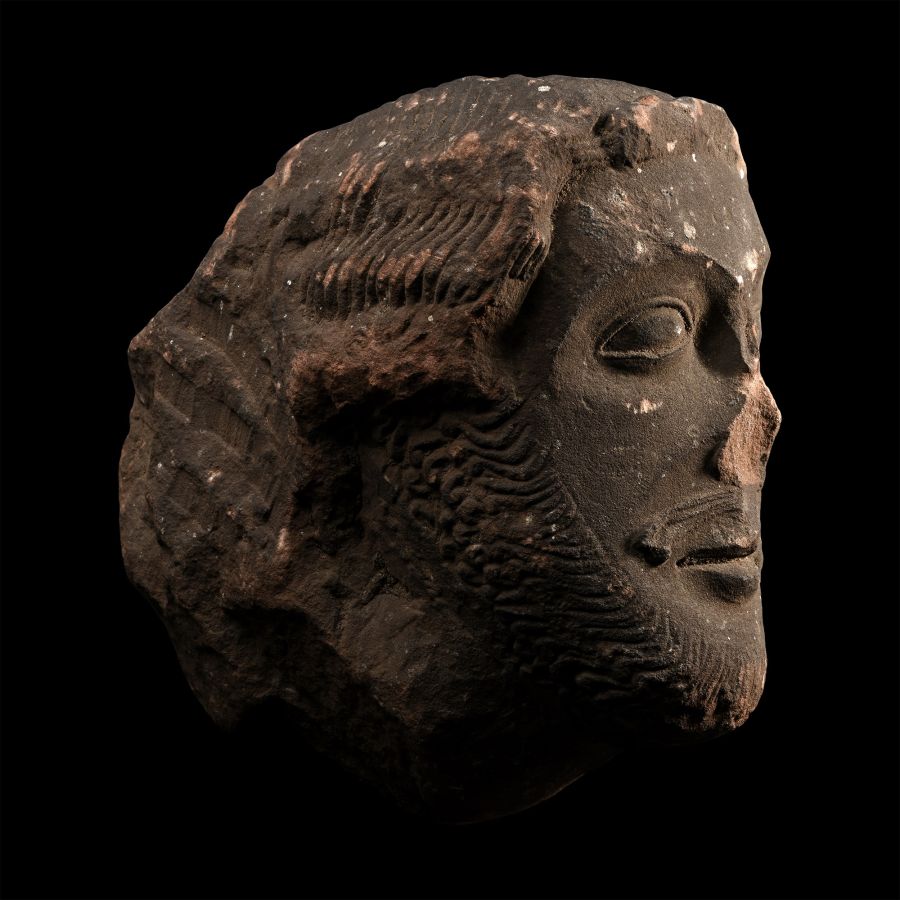
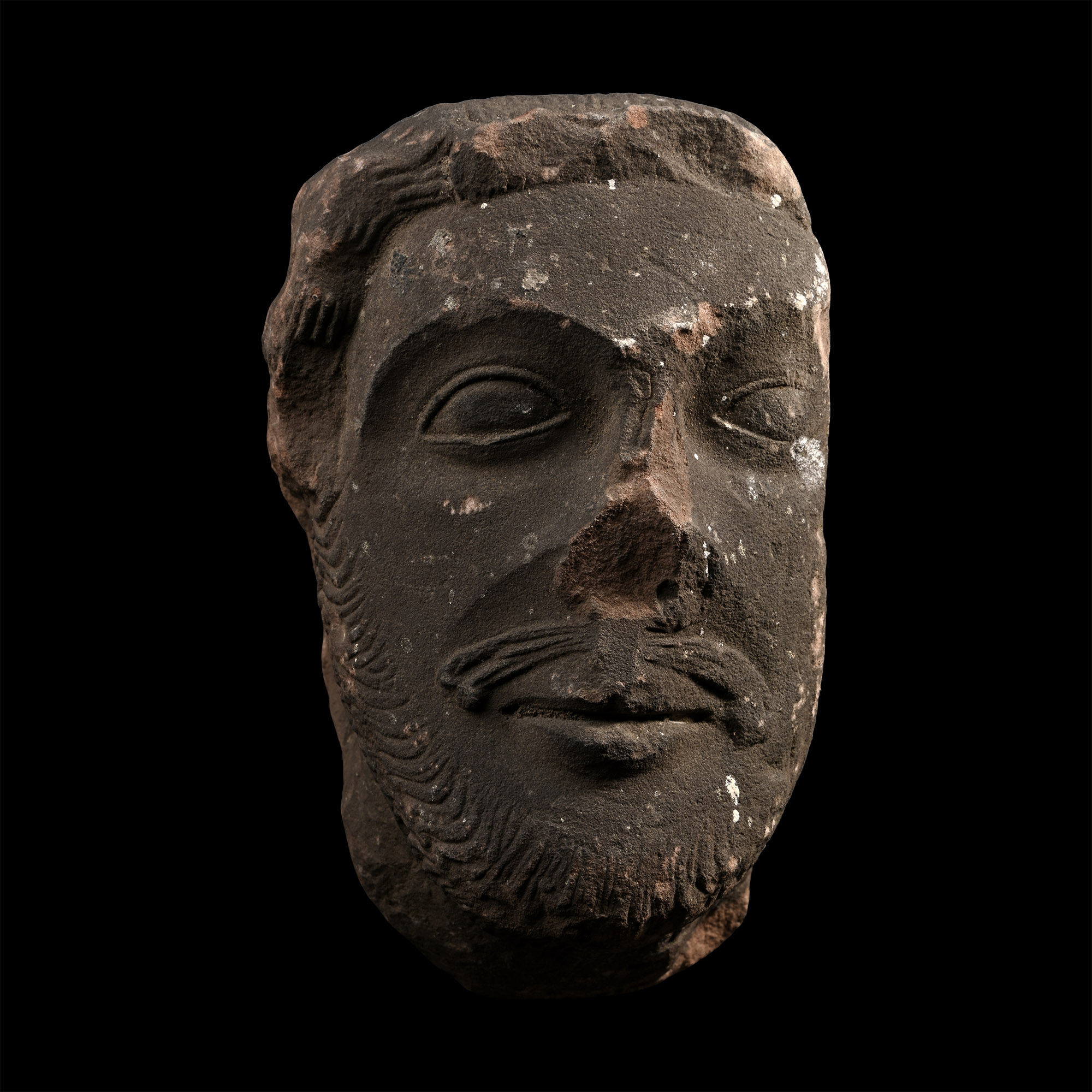
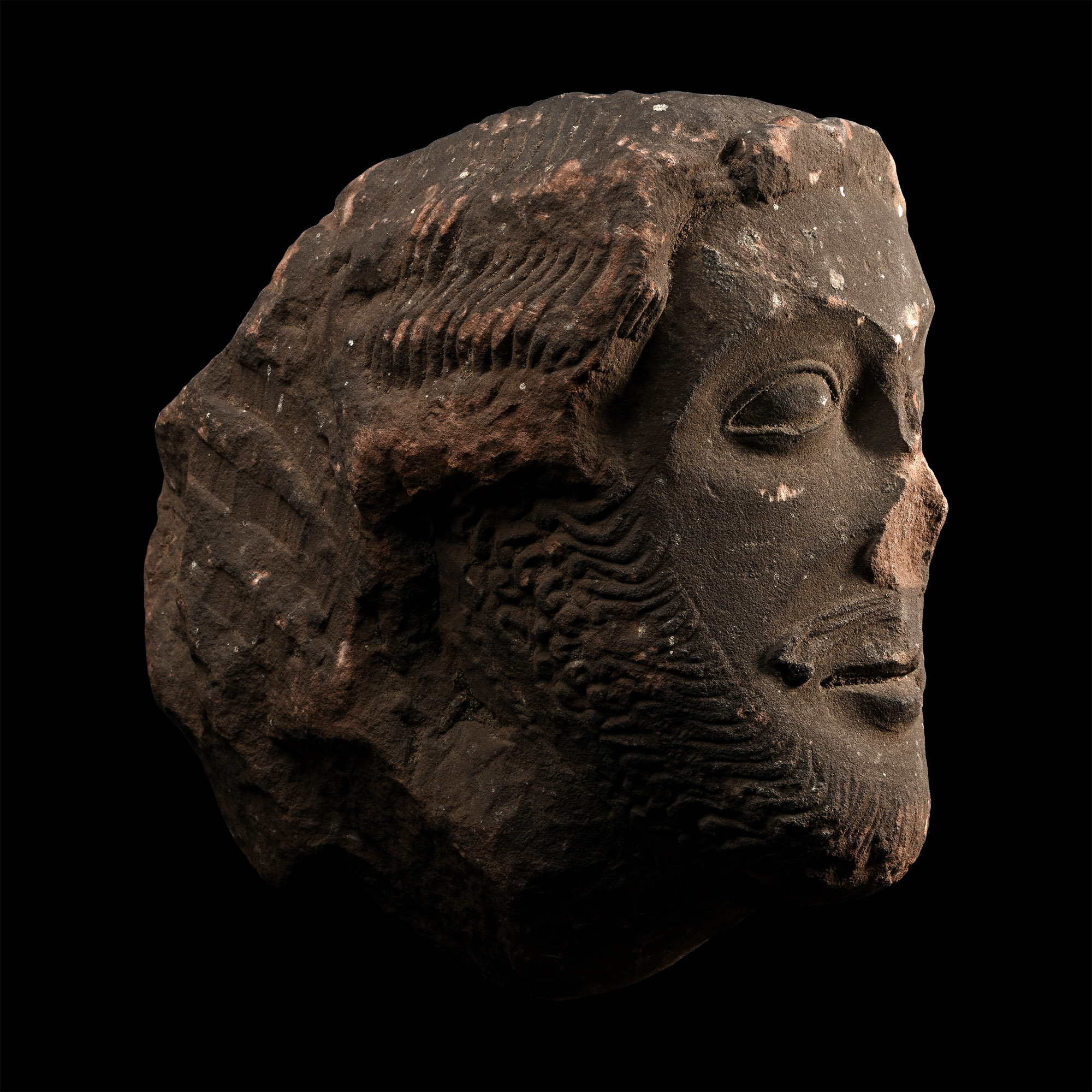
Post Medieval Red Sandstone Corbel Head
CIRCA 18TH-19TH CENTURY A.D.
10 1/2 in. (8.7 kg, 27 cm).
Carved with centre-parted wavy hair, large lentoid eyes, neat beard and moustache; irregular to rear.
ProvenanceFound in a garden in North Yorkshire, UK.
CONDITIONTimeLine Auctions follows a vetting process to ensure the authenticity and legality of all items, reinforcing our commitment to integrity and responsible trading. Each antiquity, antique, and coin lot undergoes thorough examination by a vetting committee of at least ten external specialists, professional trade association members, scientists, and archaeologists: Our Vetting Process
AUCTIONS:
TimeLine is a leading auction house specialising in antiquities, ancient art, collectables, natural history, coins, medals, and books. Our auctions offer museums, collectors, historians, and enthusiasts the opportunity to acquire unique and historically significant pieces.
LOT 1982
Post Medieval Red Sandstone Corbel Head
Estimate £350 - 450€410 - 520 (for guidance only)$470 - 610 (for guidance only)
-
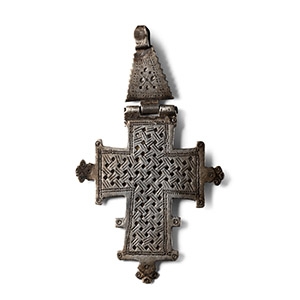
Ethiopian White Metal Cross Pendant
19th century A.D.Sold for (Inc. bp): £20
Broad and flat with dense interlaced panel to the centre of the obverse, punched border; trefoil lug to the ends of three arms, hinge above with triangular panel and loop 8.04 grams, 75 mm
Acquired from Chris Martin-Zakheim, Iconastas, 5 Piccadilly Arcade, London SW1. From the private collection of a West London, UK, gentleman, formed since the early 2000s. -
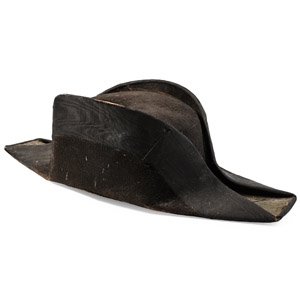
Imperial German Naval Officer's Hat by W. Lucas Hoflieferant Berlin
19th century A.D.Sold for (Inc. bp): £72
Cocked hat with maker's badge inside. 172 grams, 38.5 cm
From the private collection of author and historian Dr DeWitt Bailey, one of the global authorities on the confederate army in the US civil war; thence by descent to his grandson. -
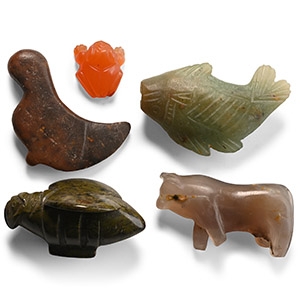
Western Asiatic Style Stone Artefact Group
20th century A.D.Sold for (Inc. bp): £52
Carved in the round fish, bird, ox and other animals in carnelian, onyx and other materials. 40 grams total, 15-40 mm
Acquired on the UK art market. Private collection, London, UK.
